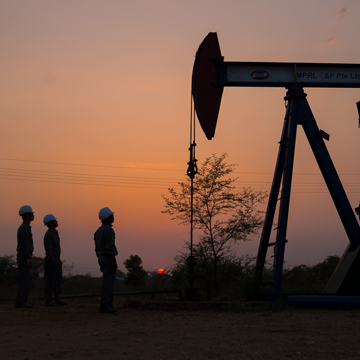
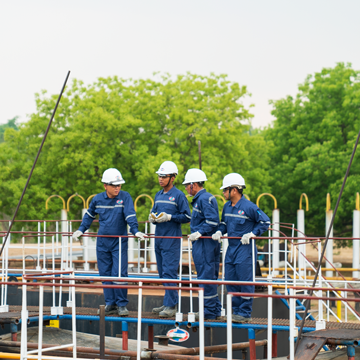
After five years of exploration, MPRL E&P made the first gas discovery (Pyi Thar-1 in 2012) in the Western Ayeyarwady Basin at its sole risk with its own funds. Woodside and Total became co-venturer in 2013 and 2015 respectively. The resulting second gas discovery was followed by three more gas wells in 2017-2018. Five out of five wells drilled in Block A-6 found gas and brought the joint venture within line of sight of commerciality. After the JV’s withdrawal in 2022, MPRL E&P is now striving to unlock the supply of a clean and long-term sustainable source of energy to drive the development of the nation.
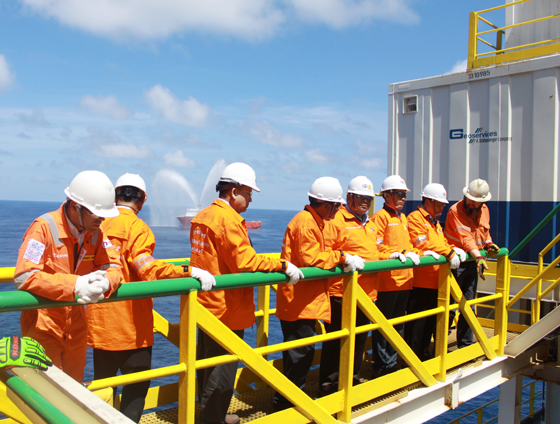
Block A-6, covering nearly 10,000 km2 from the shore to more than 2,400 m water depth, only had some 1,330 km of old vintage 2D seismic data when MPRL E&P signed the production sharing contract in January 2007.
Since then, MPRL E&P undertook extensive geological studies which included four field study expeditions all along the Western Ayeyarwady coast and acquired nearly 2,000 km of 2D seismic in 2009. This was followed by the acquisition of the first 3D seismic survey in the block.
Pyi Thar-1, the first well drilled in the block which resulted in a gas discovery, was drilled in March 2012 in 200 m water depth. The well successfully identified a new petroleum play system consisting of sands deposited by what is believed to be ancient Ayeyarwady submarine river course (see “MPRL E&P’s Pyi Thar Gas Discovery – Realizing the Vision for Long-Term Sustainable Energy in Myanmar” and “Press Release of Well Pyi Thar-1”).
Attracted by this exciting find, Woodside farmed-in to the block in 2013 and the JV acquired a new 3D seismic survey over a large structure located in the ultra deep water region and first identified by MPRL E&P in its 2D seismic survey in 2009. Total joined the block A-6 joint venture in 2015.
A second gas discovery was achieved when Shwe Yee Htun-1, the second exploration well in the block, was drilled in late 2015 targeting a prospect over 5 km from the surface and in water depths of 2,034 m. This outcome has enabled the block to move into the appraisal phase. Shwe Yee Htun-1 also holds the record for the offshore well drilled in the deepest water depth in Myanmar. ( see “Press Release of Well Shwe Yee Htun-1″)
Another 3D seismic data acquisition campaign was undertaken in April 2016 whereby the joint venture is now aggressively planning for subsequent appraisal wells to be drilled with the intent towards rapidly understanding the commercial feasibility of the asset.
As a third gas discovery well, Pyi Thit-1 was drilled in ultra-deep waters of Block A-6 in June 2017. This well discovered gas in channel sands at shallower depth than Shwe Yee Htun-1 (2,001 m), with excellent reservoir quality which comforted the A-6 JV in the reliability of the seismic image. This well was tested and flowed 50 MMscf/d of gas, a rate which was constrained by the equipment of the drill-ship; pressure monitoring indicated access to a substantial pool of gas. (see “Press Release Well of Pyi Thit-1”)
Pyi Tharyar-1, as a fourth well in Block A-6, was drilled in August 2017 and targeted a much shallower play below sea bottom in deeper waters to the West. This well showed only 3 m of gas-bearing sands. This result, however, further reinforced the A-6 JV’s confidence in discriminating between gas and water-bearing sandstones using 3D seismic.
As a fifth gas discovery well, the Appraisal Well Shwe Yee Htun-2 has been successfully drilled in July 2018 with formation evaluation results indicating a gas column and net pay thickness that substantially exceeds prior expectations. Wireline formation evaluation including pressure measurements demonstrates that the reservoir is highly likely to be in pressure communication with the 2016 Shwe Yee Htun-1 discovery, which is approximately 10km east of the current drilling location. Drill stem test results indicate Shwe Yee Htun-2 achieving a flow rate of 50 million standard cubic feet per day (up to 53.7 million standard cubic feet per day) of gas limited by testing equipment through a 40/64″ choke. ( see “Press Release of Well Shwe Yee Htun-2″)
On 16 December 2019, MPRL E&P and its Block A-6 Joint Venture partners Woodside and Total, successfully executed two agreements with Myanma Oil & Gas Enterprise (MOGE). These agreements include the Fourth Amendment and Supplementary Agreement to the Production Sharing Contract and the Agreement on Upstream and Midstream Ratio. These agreements establish the necessary fiscal framework enabling the Block A-6 project to best achieve economic viability. They further provide a clear line of sight towards the commerciality of this ASEAN’s first ultradeep water gas development project with first gas targeted for 2027.
MPRL E&P continues to lead the offshore exploration sector by moving closer towards unlocking the gas potential of block A-6 in the form of a clean and long-term sustainable energy supply that Myanmar may leverage to drive progress in the nation.

Key Facts
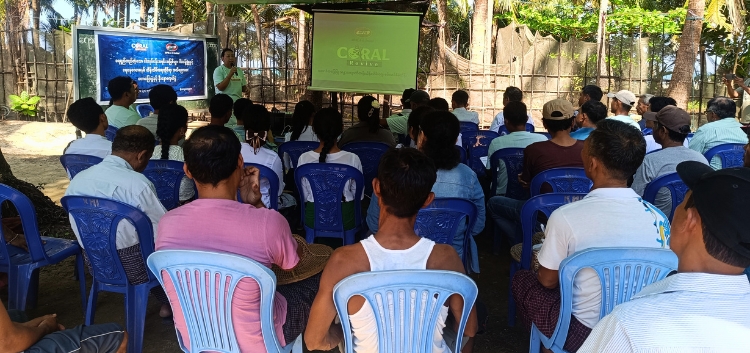
Community Voices: Witnessing the Reef’s Return to Life
On a calm January morning in 2026, the shoreline near Gaw Yan Gyi Island became a place of quiet excitement and discovery. Community members from Nga Yoke Kaung Bay gathered to witness, many for the first time, the visible progress of the Coral Revive Project, a flagship initiative under MPRL A-6’s Pyitharyar Integrated Project CSR Program. Beneath the waves, they found a hopeful reminder that with care, collaboration and time, marine ecosystems can recover.
Read moreCommunity Voices: Witnessing the Reef’s Return to Life On a calm January morning in 2026, the shoreline near Gaw Yan Gyi Island became a place of quiet excitement and discovery. Community members from Nga Yoke Kaung Bay gathered to witness, many for the first time, the visible progress of the Coral Revive Project, a flagship initiative under MPRL A-6’s Pyitharyar Integrated Project CSR Program. Beneath the waves, they found a hopeful reminder that with care, collaboration and time, marine ecosystems can recover.
The event formed part of MPRL A-6’s Sustainable Fishing Practices and Marine Ecosystem Conservation Workshop and Coral Conservation Open Day, marking nearly two years of steady effort to restore coral reefs while strengthening local stewardship of the marine environment.
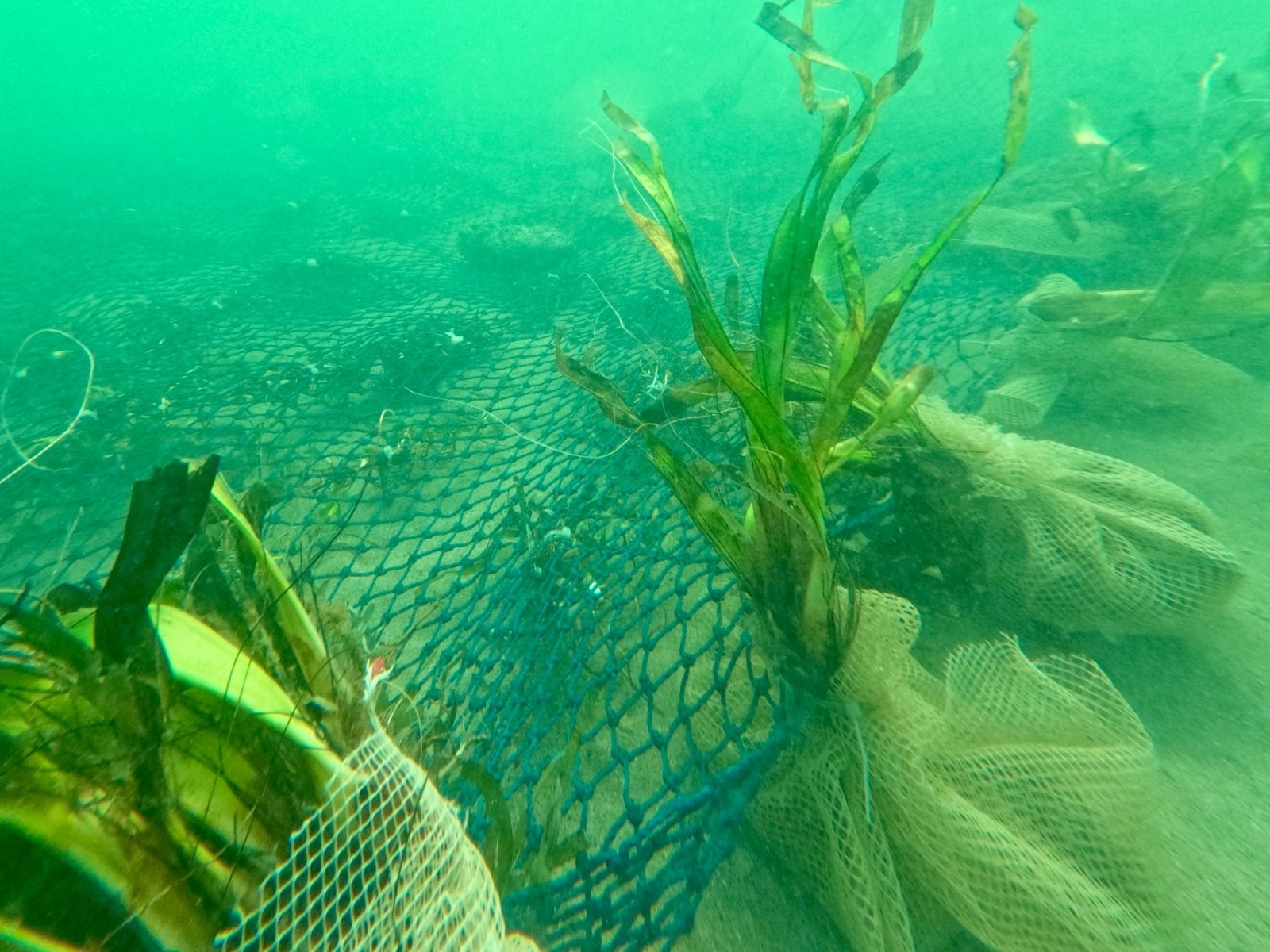
Launched in 2024 as a pilot initiative near Sabahtar Island, the Coral Revive Project was developed through close consultation with surrounding communities. Since then, artificial reef structures, coral nurseries, and seagrass restoration activities have gradually transformed sections of the seabed. While much of this work takes place out of sight, by early 2026 its positive impact had become increasingly visible, both underwater and within the community.
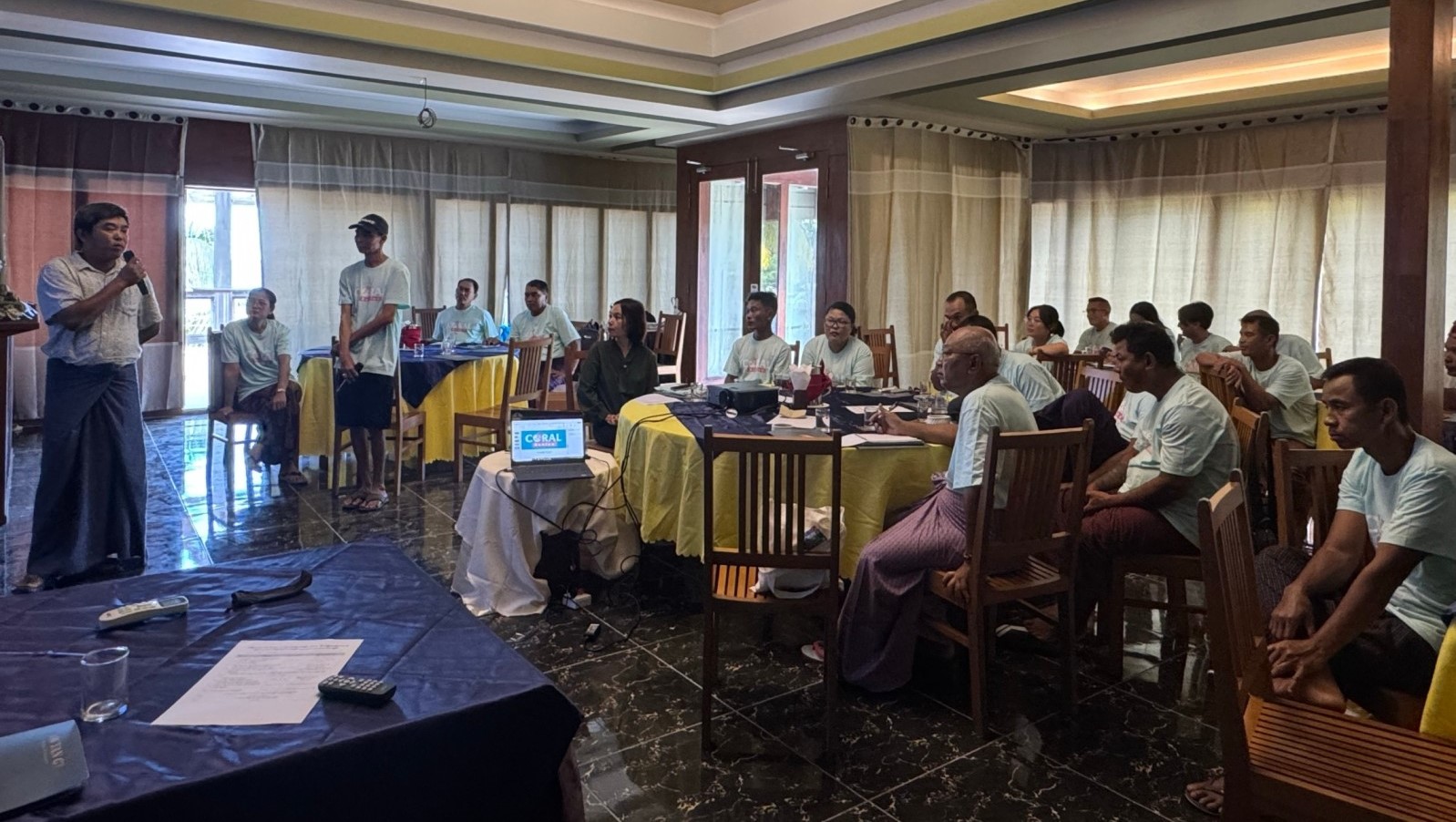
On 28 January 2026, more than 60 participants, including fishermen, village administrators, teachers, students, local divers, and government representatives, gathered in Nanttharpu Village Tract for the Sustainable Fishing Practices and Marine Ecosystem Conservation Workshop.
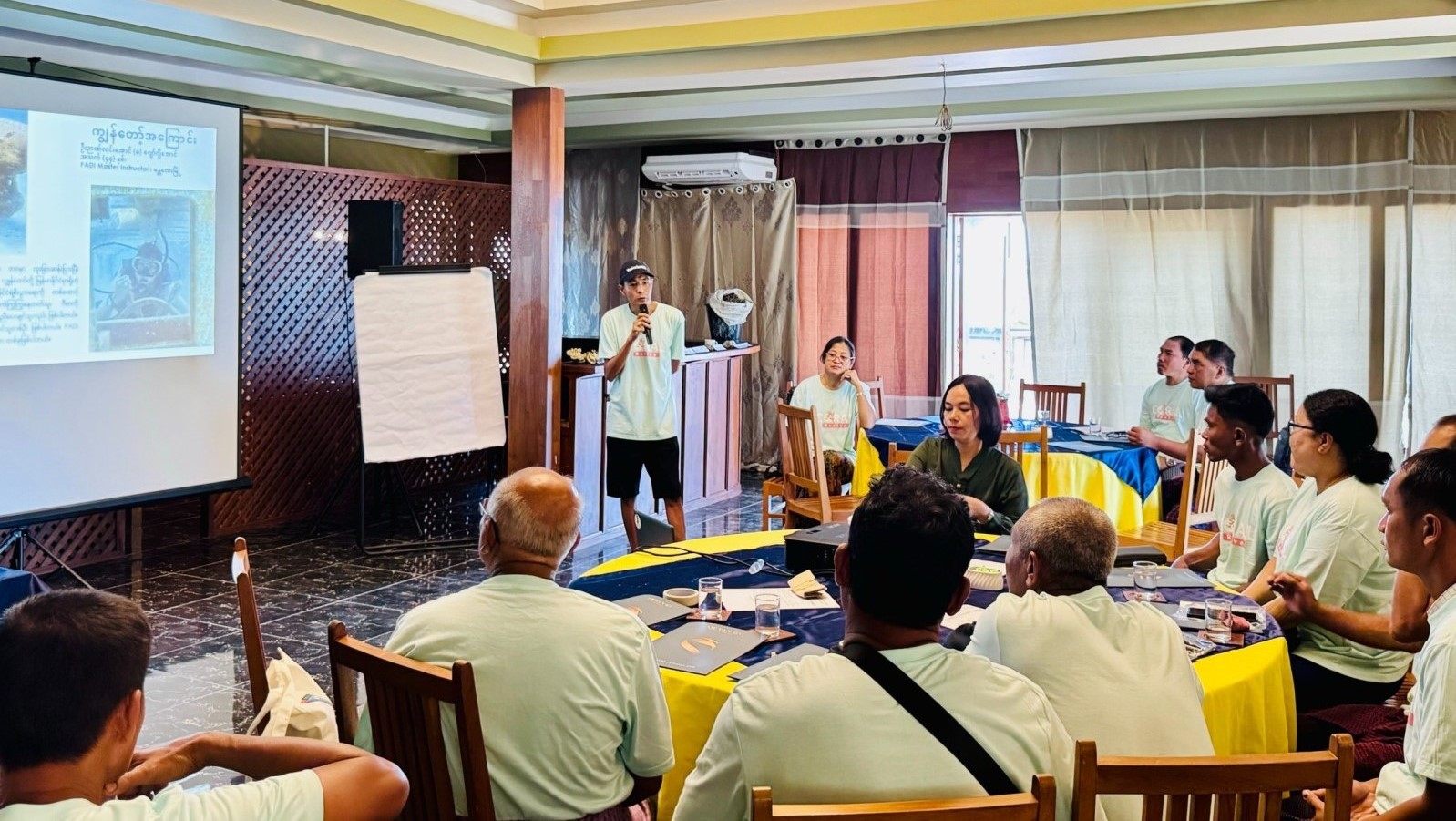
During the workshop, Daw Wit Hmone Tin Latt, Head of Corporate Sustainability for MPRL A-6’s CSR Program, shared insights into the project’s journey and progress. U Sithu Aung, a PADI-certified diving instructor, delivered a knowledge-sharing presentation on marine debris and ghost nets. Dr. Cherry Aung, Professor and Head of the Marine Science Department at Myeik University, spoke on coral reef survival in the climate crisis, focusing on coral bleaching. The program concluded with a presentation by Dr. Aung Aung Aye, Assistant Professor from the same department, on seagrass restoration and biodiversity rehabilitation. The workshop extended beyond project updates, creating space for shared learning and open discussion on marine conservation challenges and solutions.
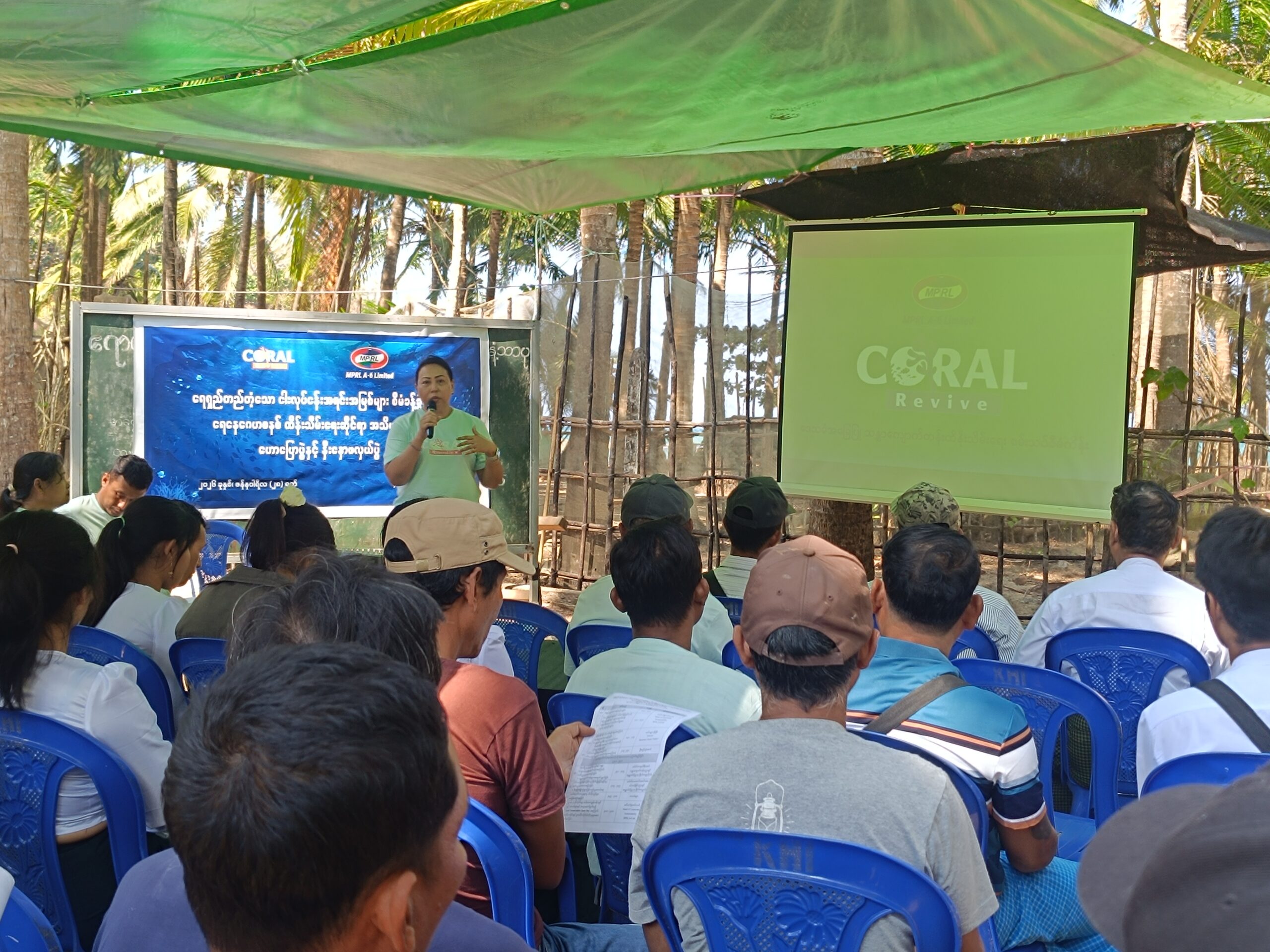
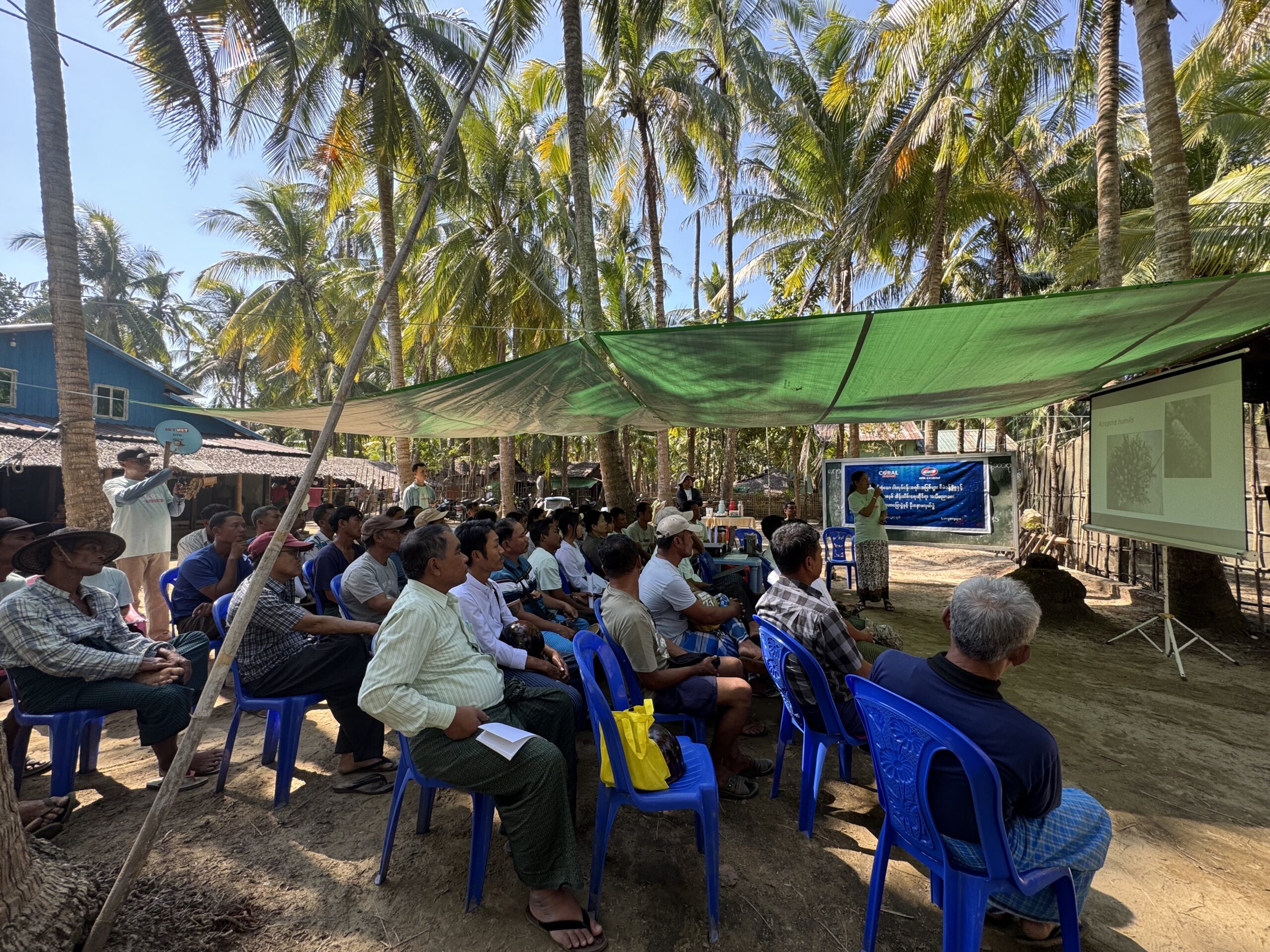
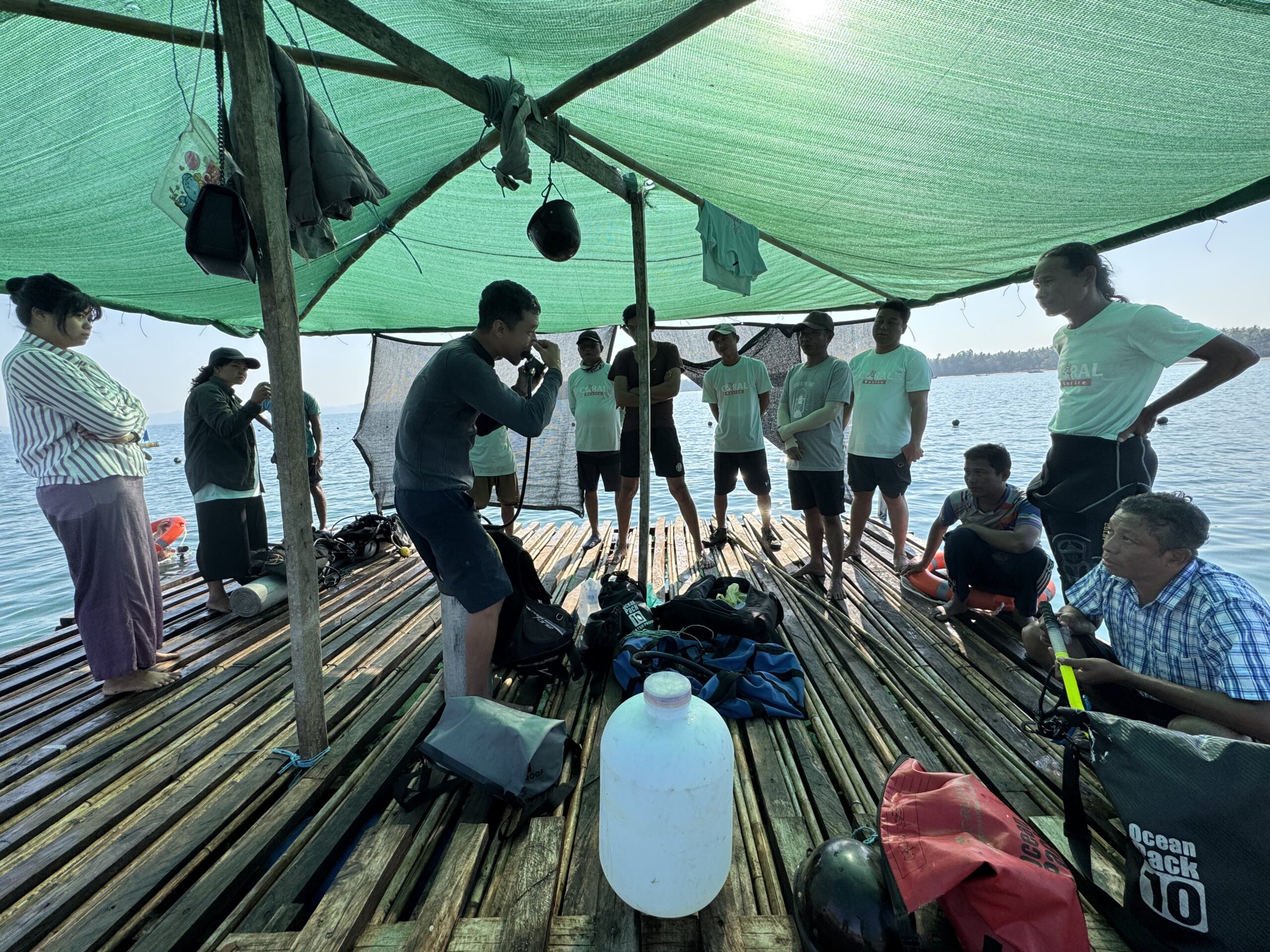
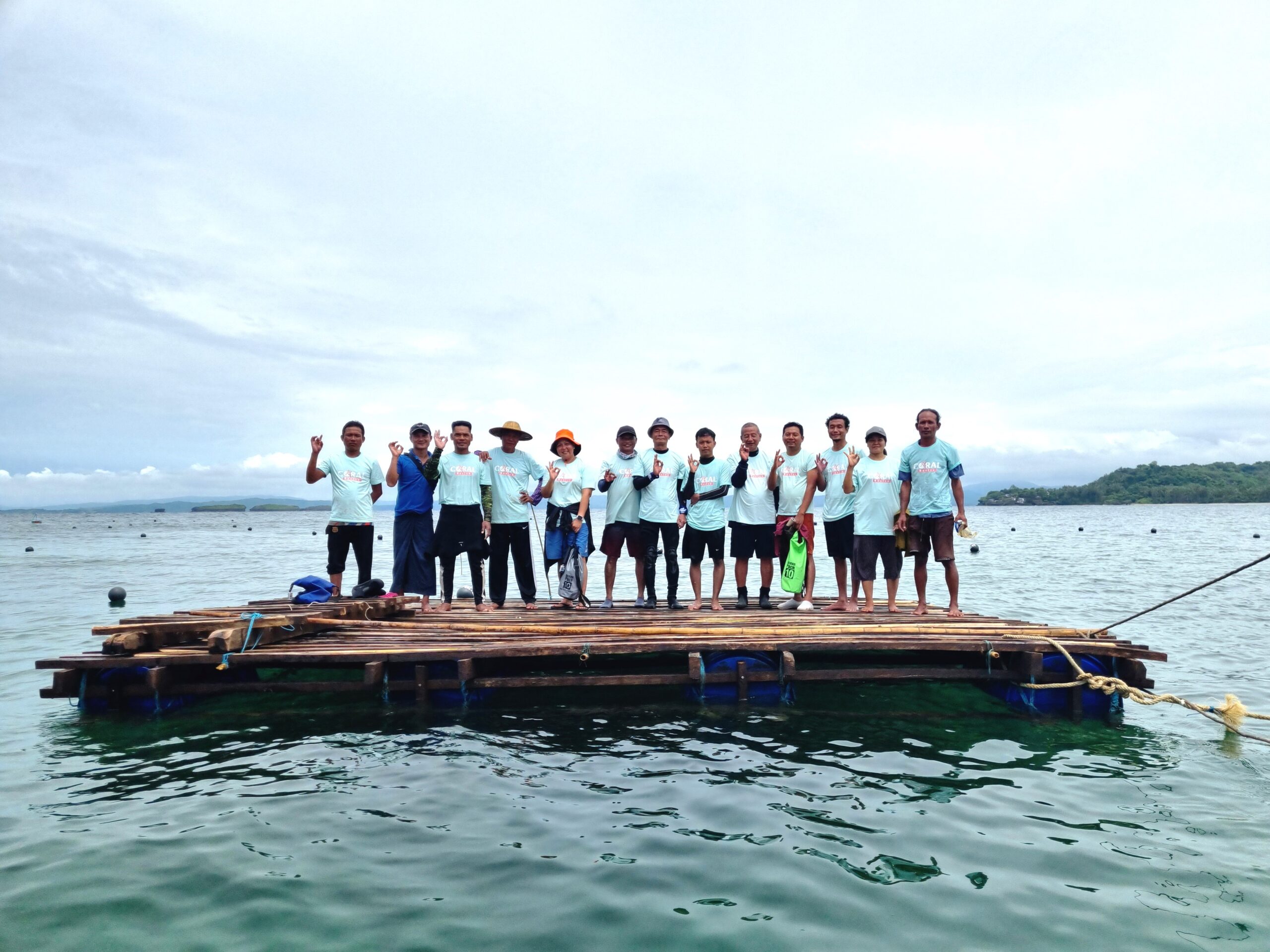
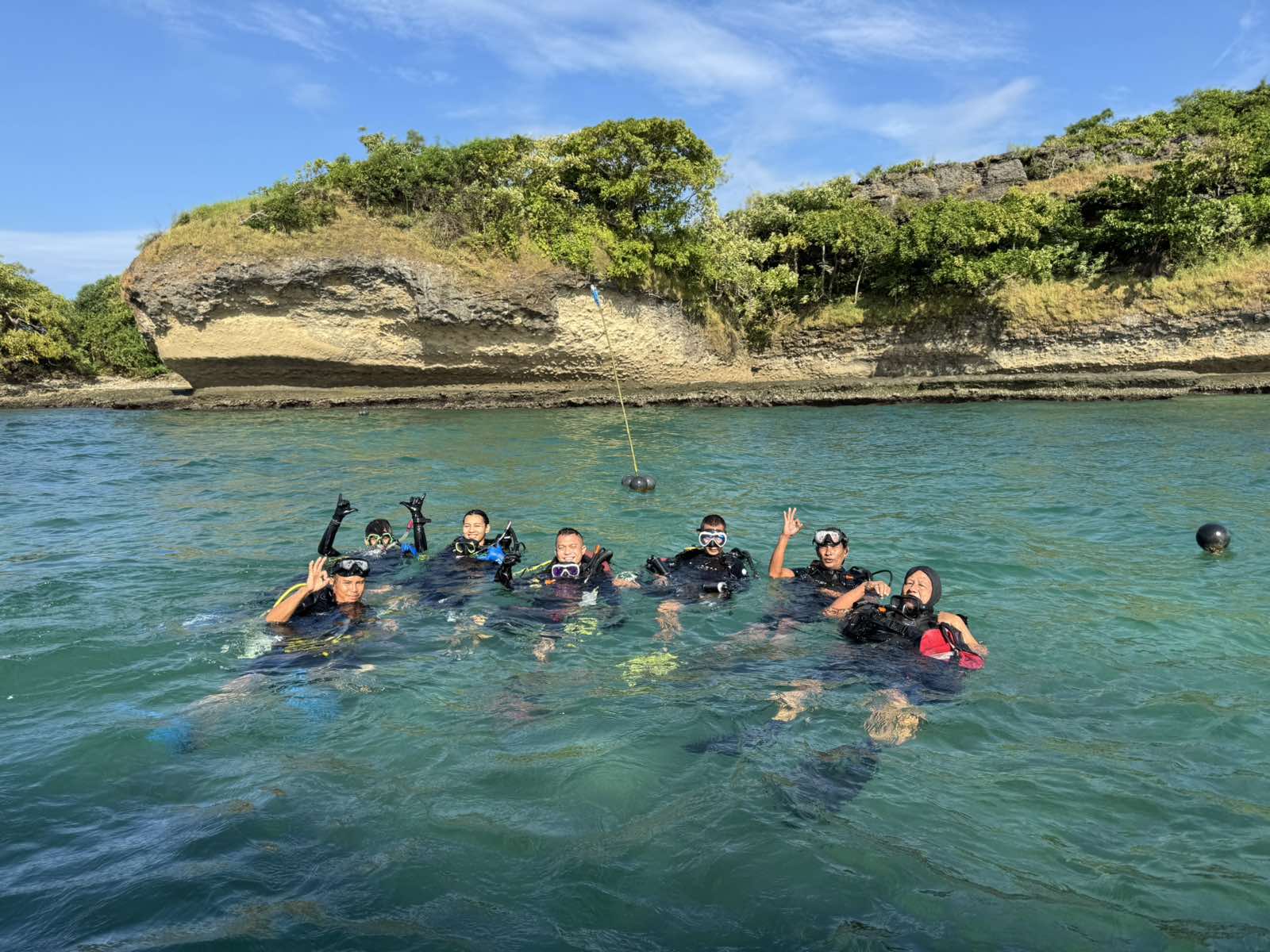
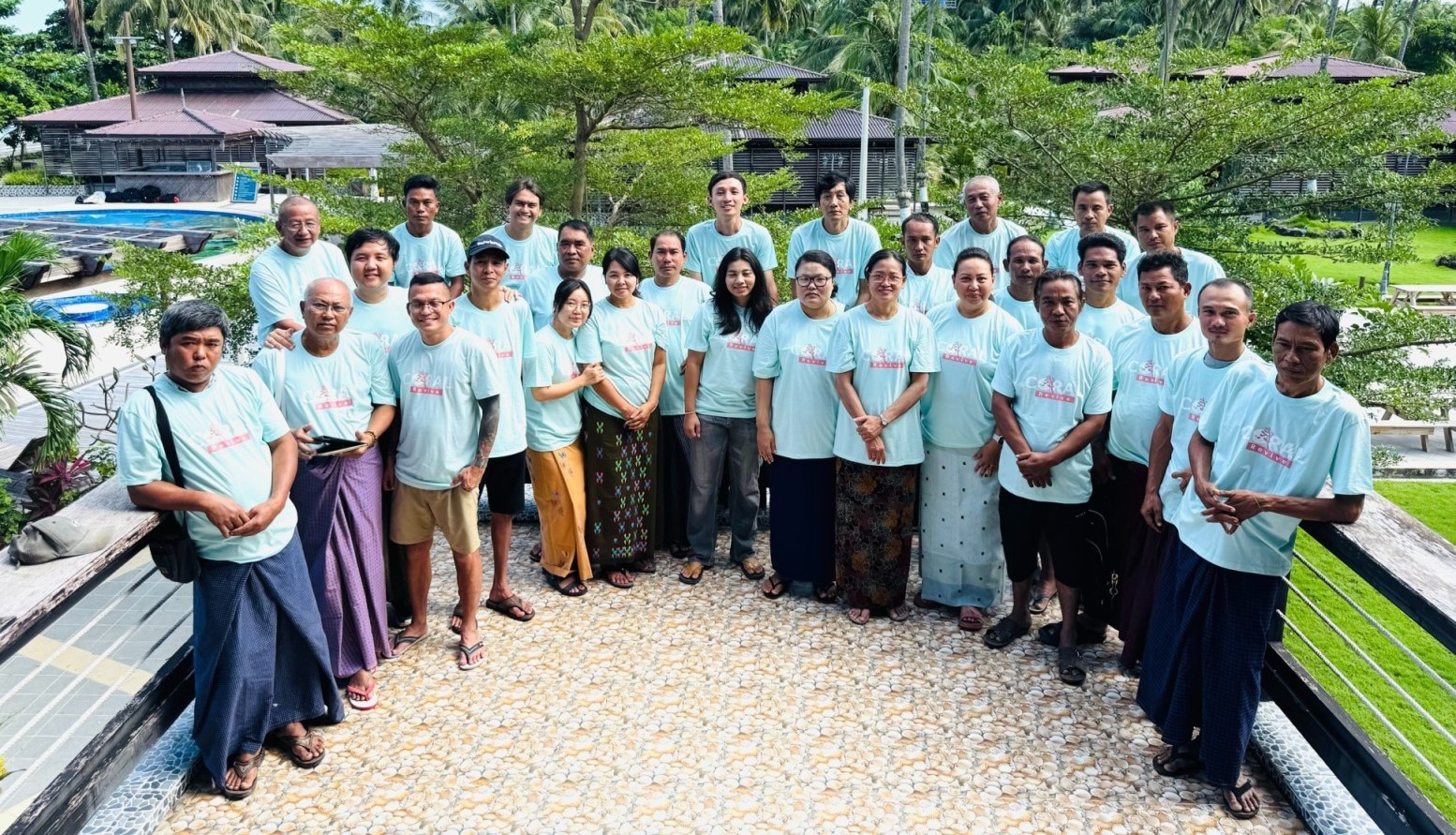
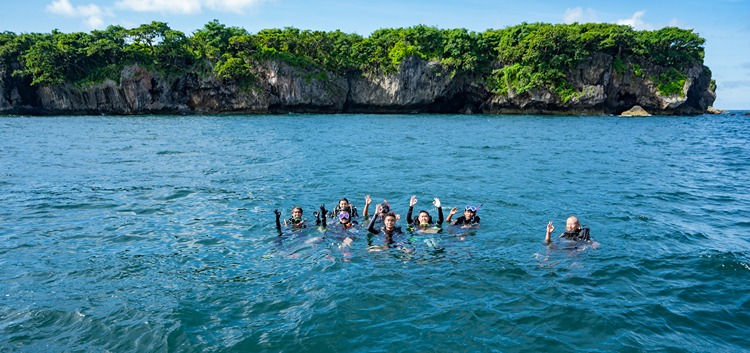
Learning continued at sea on 29 January 2026, when 18 participants joined the Coral Conservation Open Day and traveled by boat to the project site near Sabahtar Island. Participants gathered on a wooden raft, where Dr. Cherry Aung led a project review and discussion on the way forward.
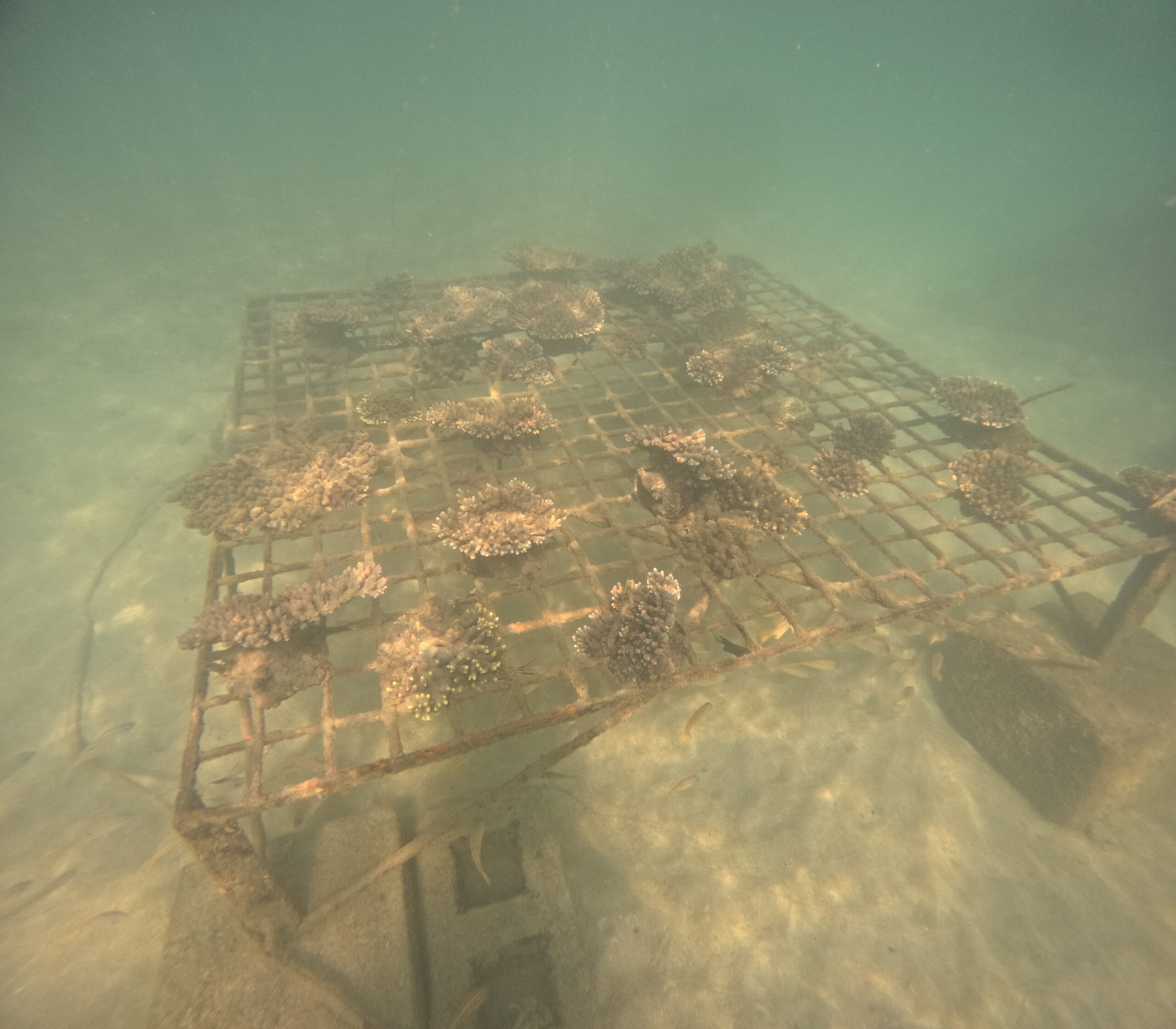
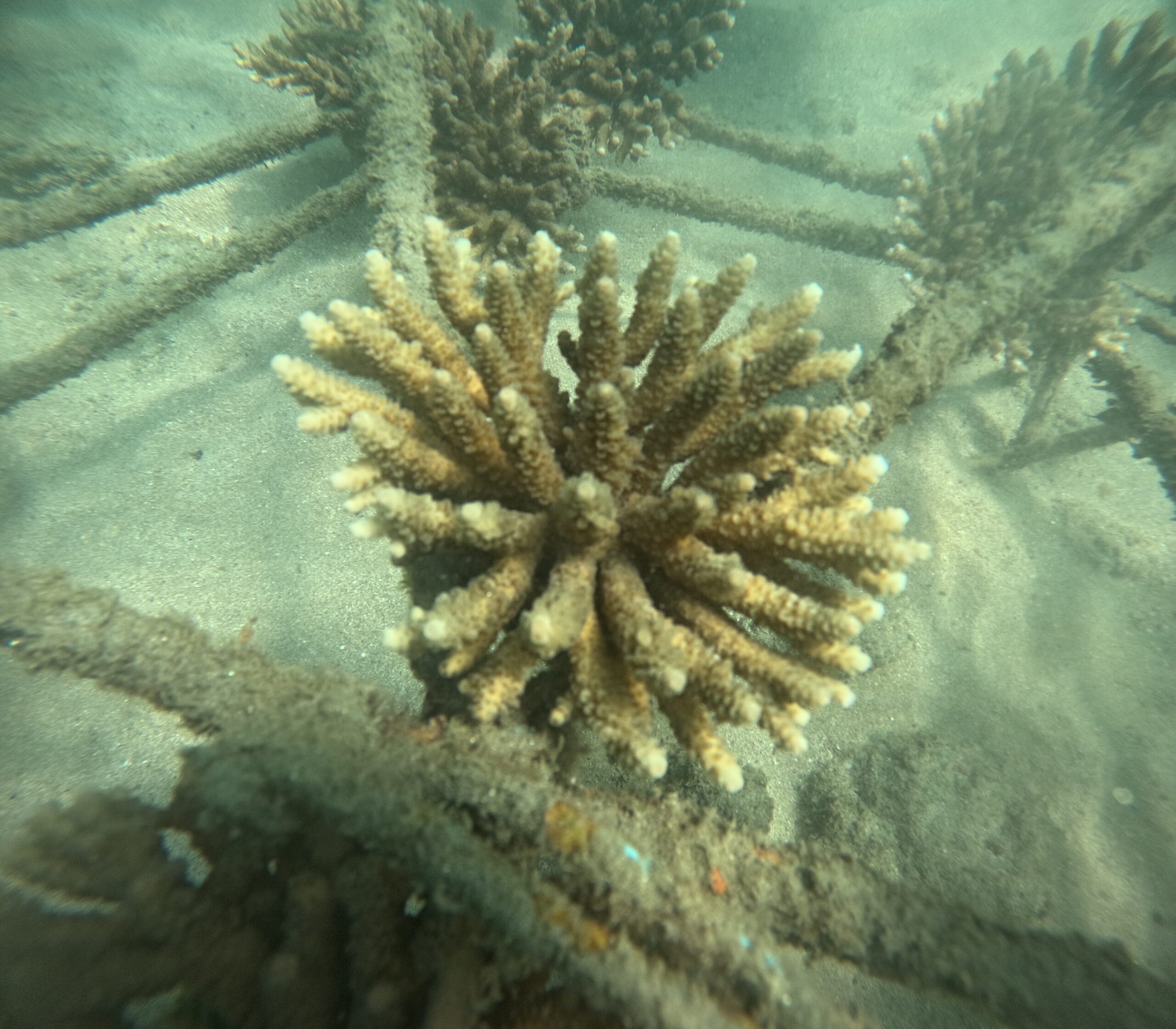
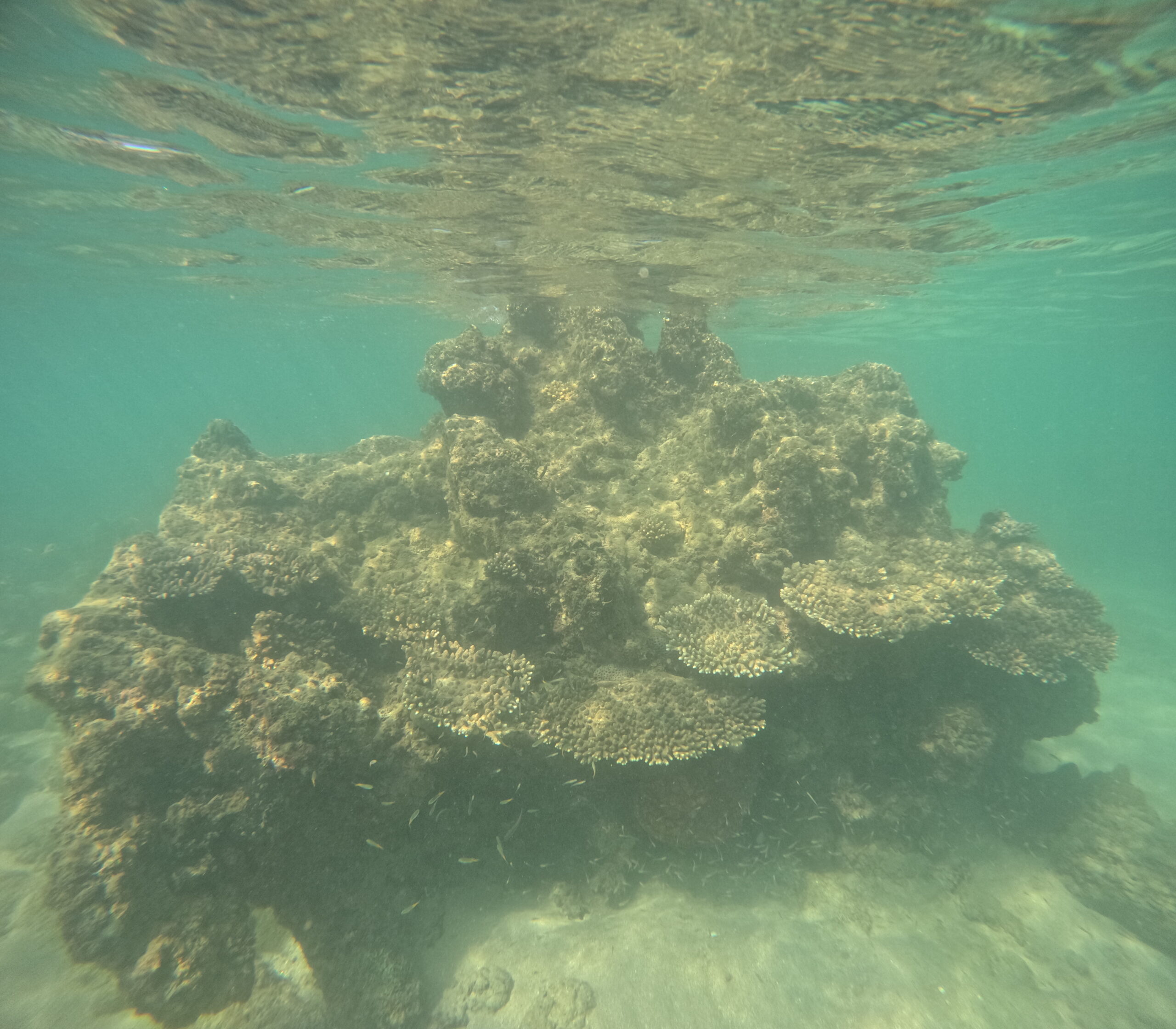
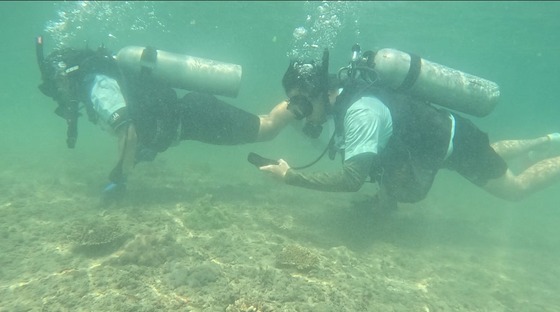
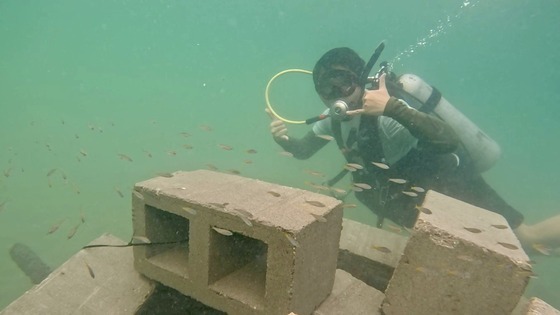
Diving instructor U Sithu Aung then provided guidance on snorkeling and basic scuba techniques to help community members safely observe the fish condos and coral nurseries within the coral conservation area. Together with local divers, he guided both community participants and Coral Revive team members as they explored the site. The structures, located at shallow depth, are clearly visible from the surface. For many participants, it was their first opportunity to see how conservation efforts translate into tangible change beneath the water.
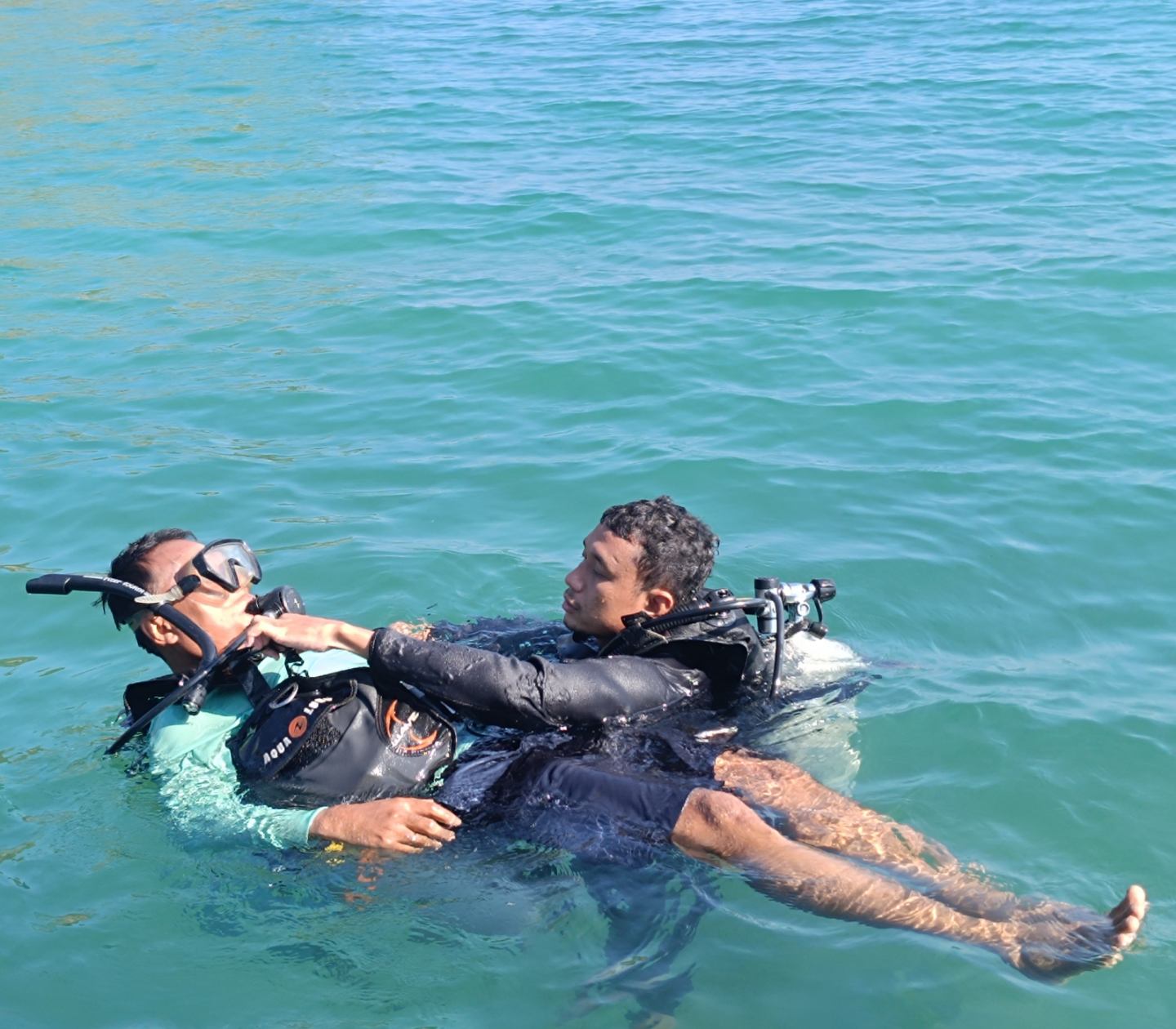
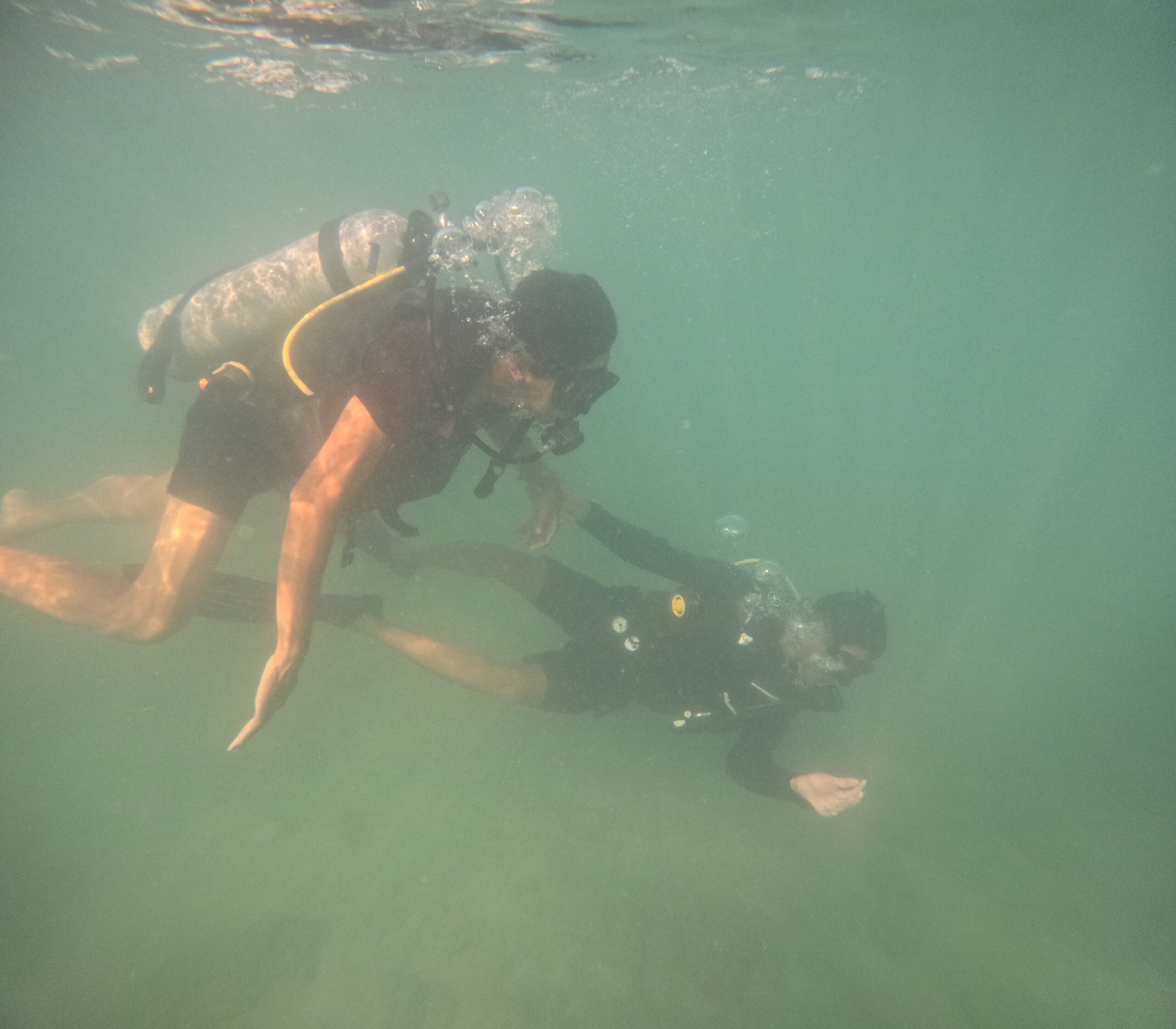
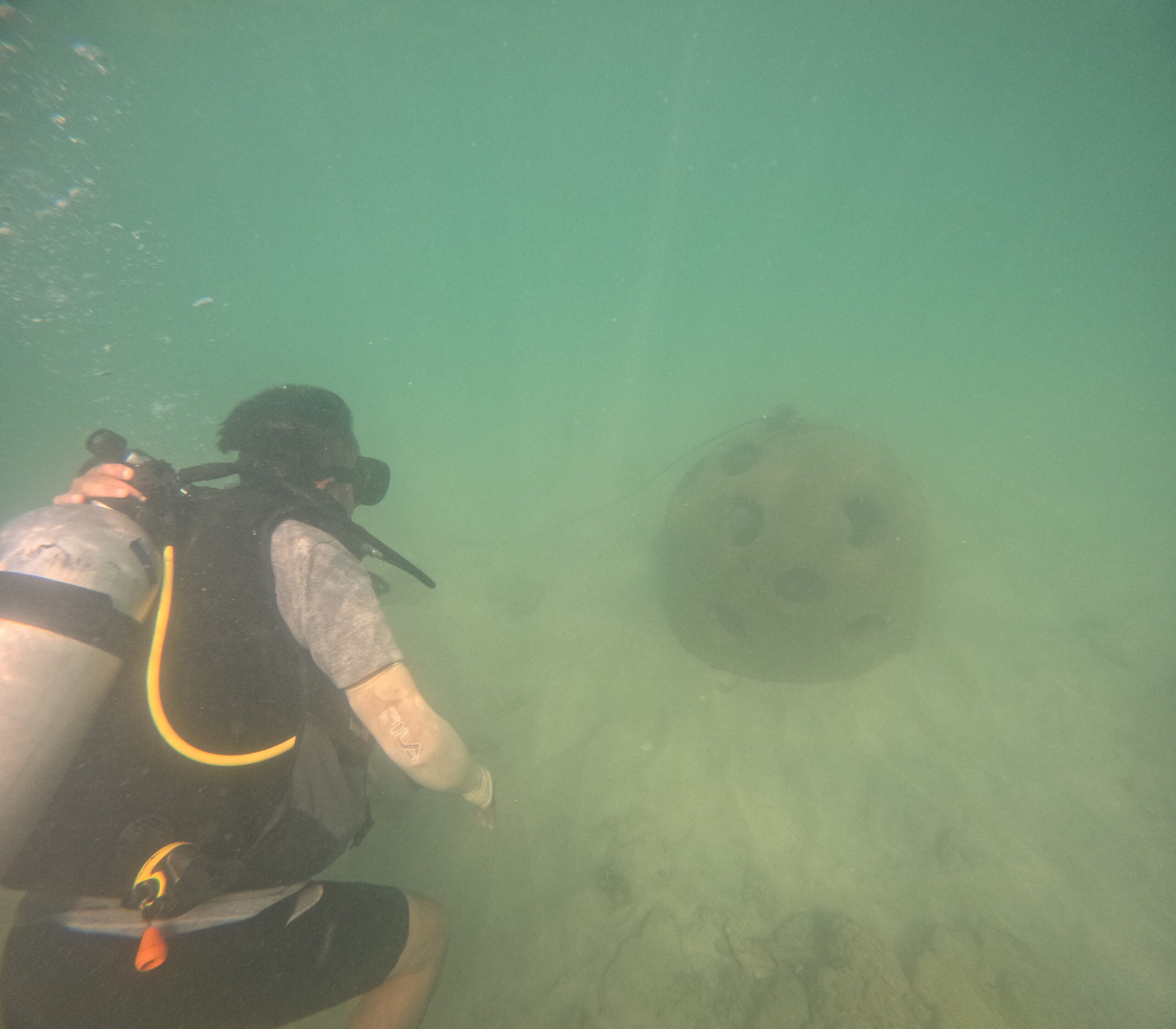
As participants returned to shore, conversations were filled with surprise, pride and renewed hope. Many shared that they had not expected such visible progress within just a few years, while others expressed a strong desire to remain involved and continue witnessing the reef’s recovery.
The following reflections capture how the Coral Revive Project is being experienced by the community itself, through the voices of elders, volunteers and youth who are closely connected to the sea.
U Kyi Lwin
Community Elder
Kyway Chaing Village Tract
“I attended the Sustainable Fishing Practices and Marine Ecosystem Conservation Workshop and learned that seagrass, sea cucumbers and coral species that once existed in our region have become increasingly rare. It made me realize how essential marine ecosystems are as the foundation of marine life.
I also took part in the Coral Conservation Open Day. Although I had previous diving experience, it was my first time scuba diving, and the diving instructor provided clear and careful guidance. When I entered the underwater project area, I was impressed by the artificial reef structures and coral nurseries. I saw many fish and newly growing corals. It convinced me that choosing Sabahtar location as the project site was the right decision, as the area is now becoming richer in marine life.
Although I am not directly involved in operations, I regularly attend awareness sessions and encourage others to do the same. As I work in the tourism industry, I also share this information with visitors. I believe this project can support local tourism and bring long-term benefits to our region.”
Mann Thit Lwin
Community Elder
Nanttharpu Village Tract
“I have been actively involved in the Coral Revive Project since it began in April 2024. My role includes guiding divers, supervising fieldwork, providing local support and conducting follow-up checks. After each inspection, I report my observations and help mobilize local resources and community members.
During the early pilot stage, there were very few corals and almost no visible growth. After the installation of artificial reef structures and coral nurseries, I began to see clear positive changes. Coral growth has increased; fish populations have expanded and new species—ones we had never seen before—are now appearing around Sabahtar Island. Even without diving, I can see small colorful fish increasing week by week.
Our local fishermen fully respect the conservation area, and any damaged buoys are reported quickly. I believe this project can serve as a model for other regions, as it protects marine resources, supports eco-tourism, and creates livelihoods. I am really proud to contribute and remain hopeful for our community’s future.”
U Phyo Mauk Tha Htet
Volunteer Diver
Nanttharpu Village Tract
“I am proud to support the Coral Revive Project as a local volunteer diver. I assist with installing artificial reef blocks, concrete pipes, reef balls and coral nurseries. Every two weeks, my fellow volunteers and I dive to monitor progress, record observations and clean the structures to support healthy growth.
More than 10 years ago, fish and prawns were abundant, but increased fishing pressure caused these resources to decline. Since the Coral Revive Project began, the transformation has been remarkable. Artificial reef structures now provide shelter, and many fish species—including those not seen for years—have returned. Watching corals survive and grow day by day fills me with pride.
This project is like raising fish naturally, helping to prevent future scarcity. It not only restores marine life but also creates jobs for local boat operators, carpenters and divers. I believe expanding such efforts will strengthen our regional economy through sustainable conservation.”
Ma Lin Let Hlaing
Grade-10 Student
Nanttharpu Village Tract
“Living near the costal beach, I had seen corals along the coast before, but I never had the chance to learn about them in depth. The coral conservation signboards in our village helped me understand how coral reefs can be damaged.
I attended the Sustainable Fishing Practices and Marine Ecosystem Conservation Workshop with my teachers and friend, and it opened my eyes to the wonders of marine life. I was amazed to learn that there are over 60 species of seaweed that absorb about 30 percent of carbon dioxide. I also learned how harmful ghost nets and plastic debris are to the seabed.
The most exciting part for me was learning about coral transplantation. I was surprised and happy to know that coral nurseries are already being tested in our community. Learning about seagrass restoration and coral survival during the climate crisis made me realize how important this work is for our future. I hope to share what I learned and take part in more activities to help protect our ocean.”
Reef Balls, Reef Stars, and Renewed Life Beneath the Waves
As the 2025 monsoon season drew to a close, Myanmar’s coastal waters witnessed a story of renewal and resilience. Through the coral reef conservation pilot project, “Coral Revive,” the PIP CSR Program of MPRL A-6 Limited deepened its commitment to marine conservation by deploying 12 reef balls and 11 reef stars in Nga Yoke Kaung, and an additional 10 reef stars in Ngwe Saung. These structures now rest beneath the waves, creating new shelters for marine life and setting the foundation for vibrant ecosystems to flourish.
Read moreReef Balls, Reef Stars, and Renewed Life Beneath the Waves As the 2025 monsoon season drew to a close, Myanmar’s coastal waters witnessed a story of renewal and resilience. Through the coral reef conservation pilot project, “Coral Revive,” the PIP CSR Program of MPRL A-6 Limited deepened its commitment to marine conservation by deploying 12 reef balls and 11 reef stars in Nga Yoke Kaung, and an additional 10 reef stars in Ngwe Saung. These structures now rest beneath the waves, creating new shelters for marine life and setting the foundation for vibrant ecosystems to flourish.
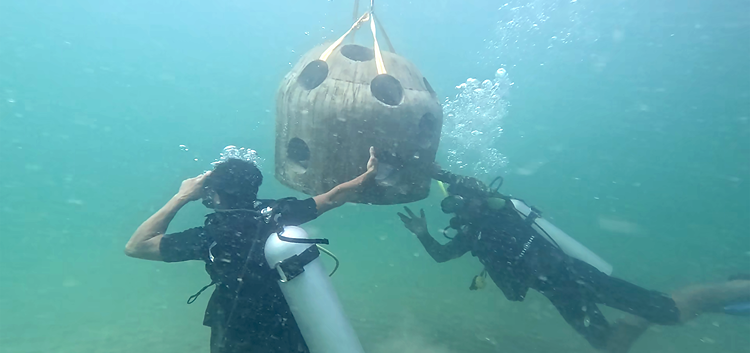
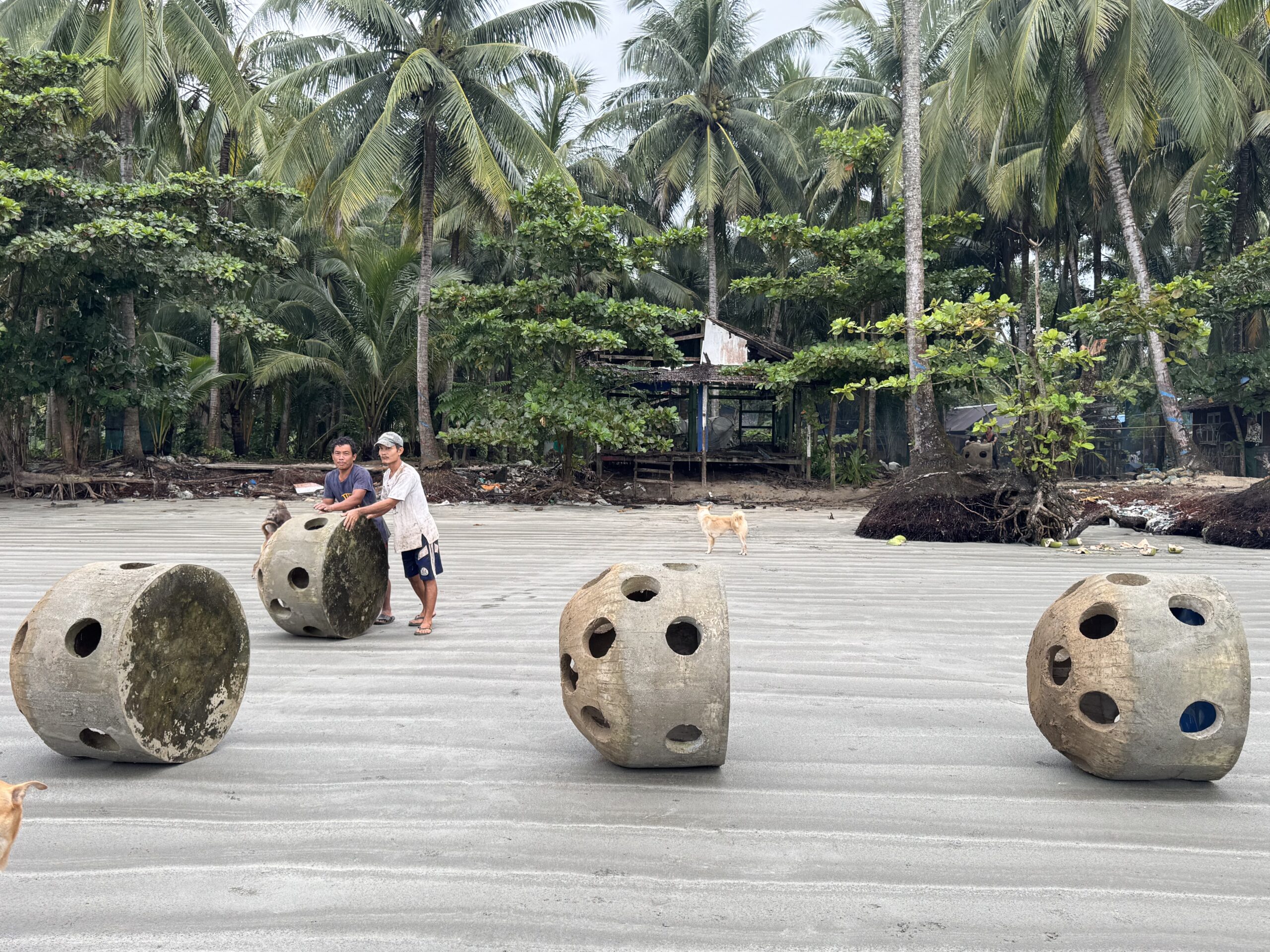
On 09 September 2025, local community and technical divers joined hands with the PIP CSR Team to bring life back to the sea. The 12 reef balls they deployed were not imported, but built locally, molds crafted by local carpenters and welders, concrete poured by masons, all under the guidance of the PIP CSR Team. Each reef ball, weighing more than 200 kilograms, was carefully transported on a wooden raft and deployed into the waters near Sabahtar Island in Nga Yoke Kaung. Shaped like domes with openings, the reef balls were designed to mimic natural corals, providing shelter and breeding grounds for fish, while offering hard surfaces for coral larvae to settle and grow.
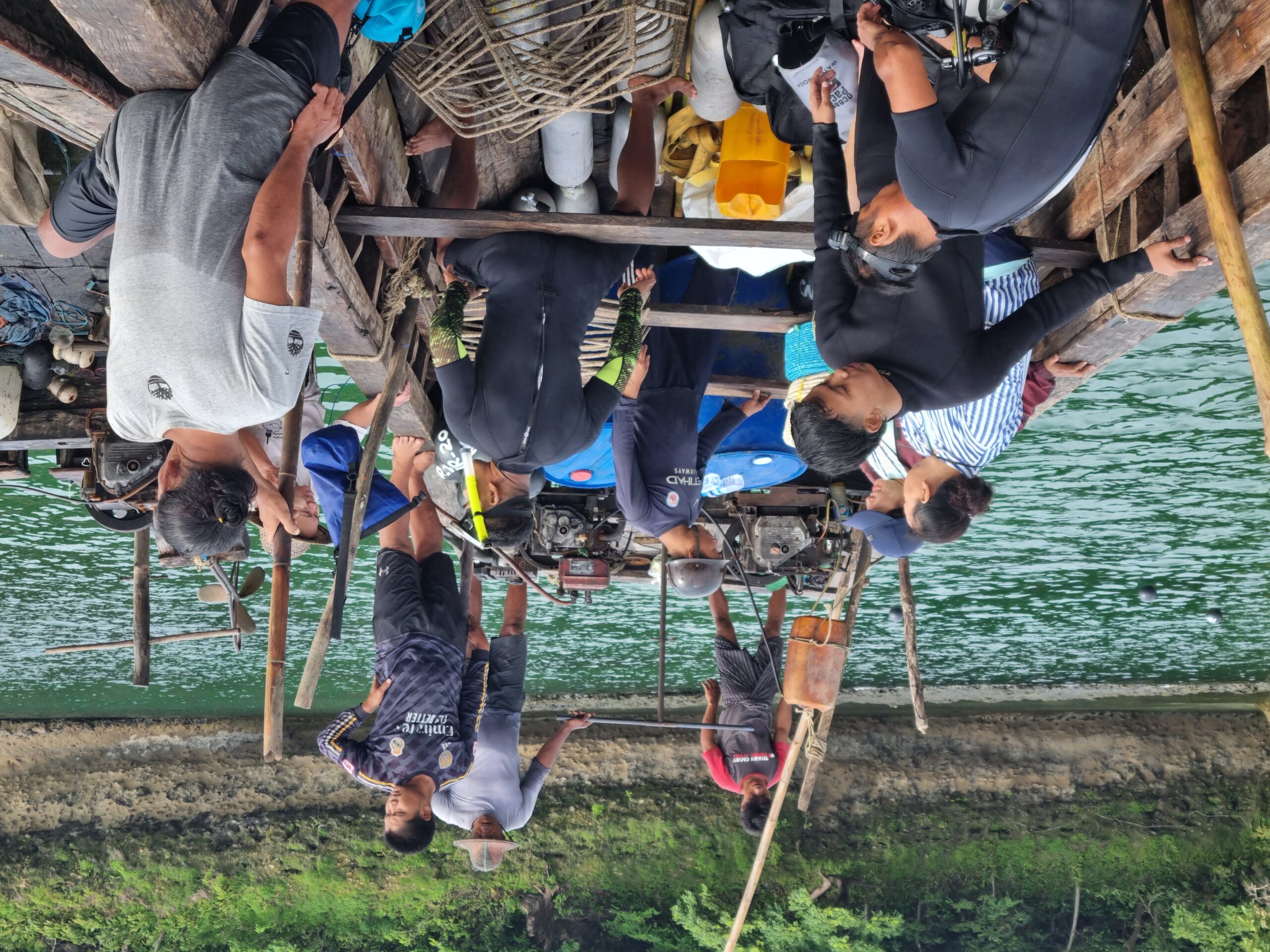
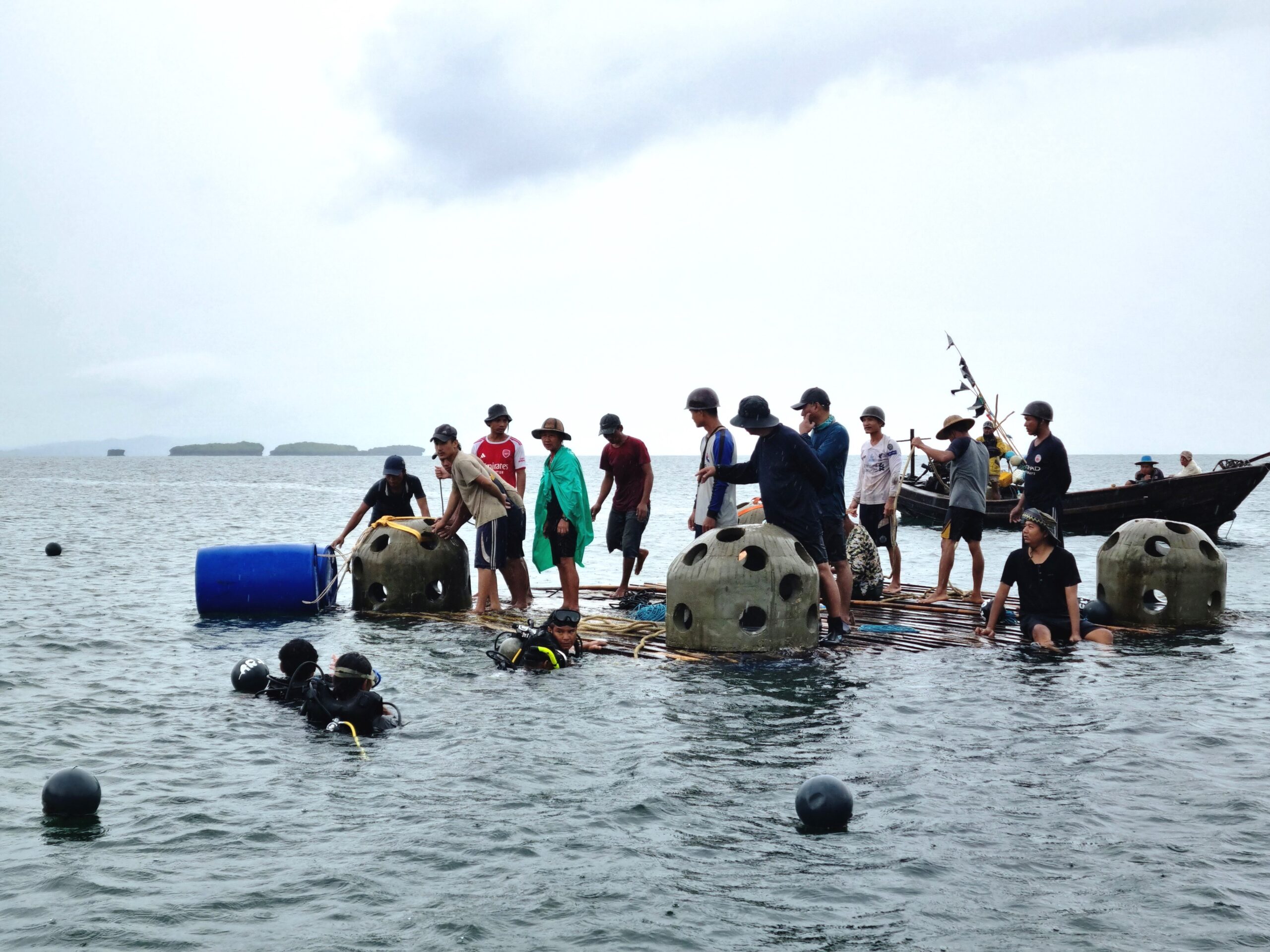
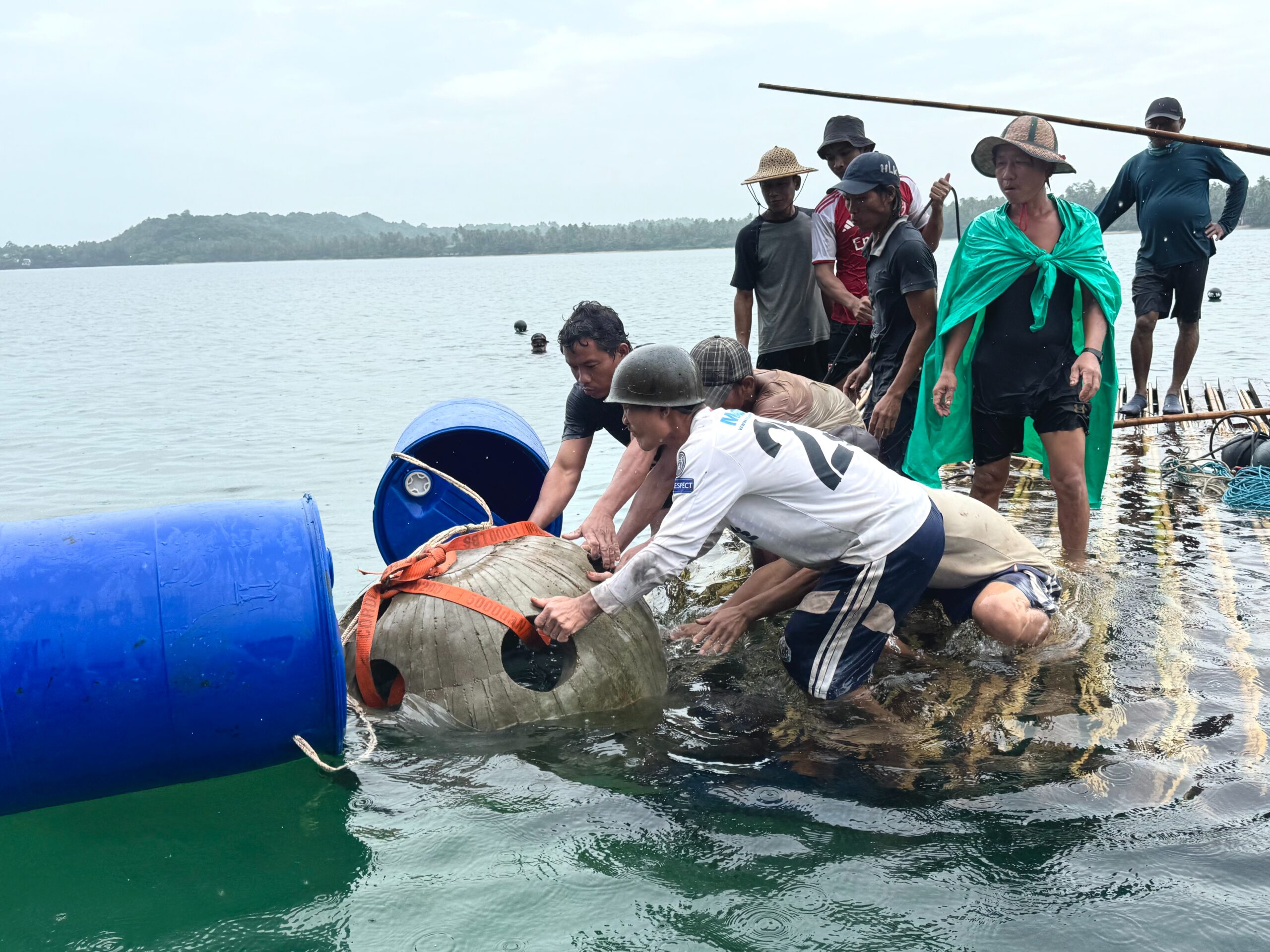
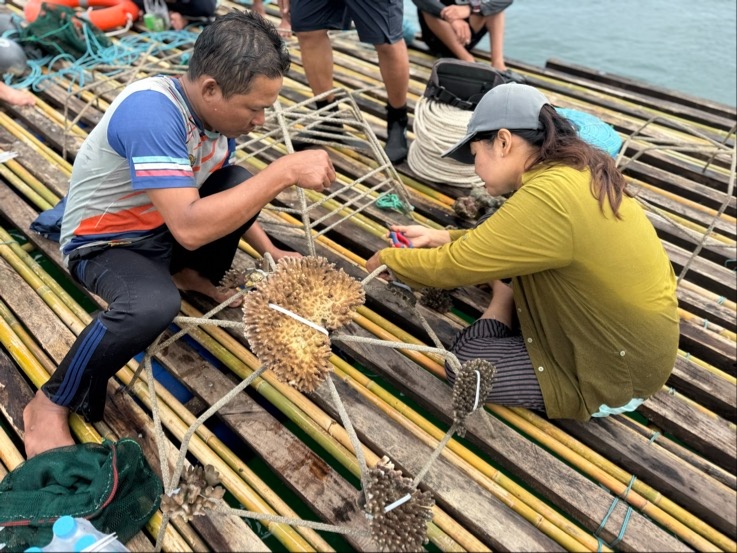
The following day, on 10 September 2025, the Team deployed 11 reef stars into the same conservation site. Built from iron rods coated in coral sand, these star-shaped frames were designed to support coral nurseries. Coral fragments collected from the seabed were transplanted onto the structures, which were then placed near the reef balls using lift bags. Over time, these fragments will grow and form new coral colonies, restoring sections of degraded reefs.
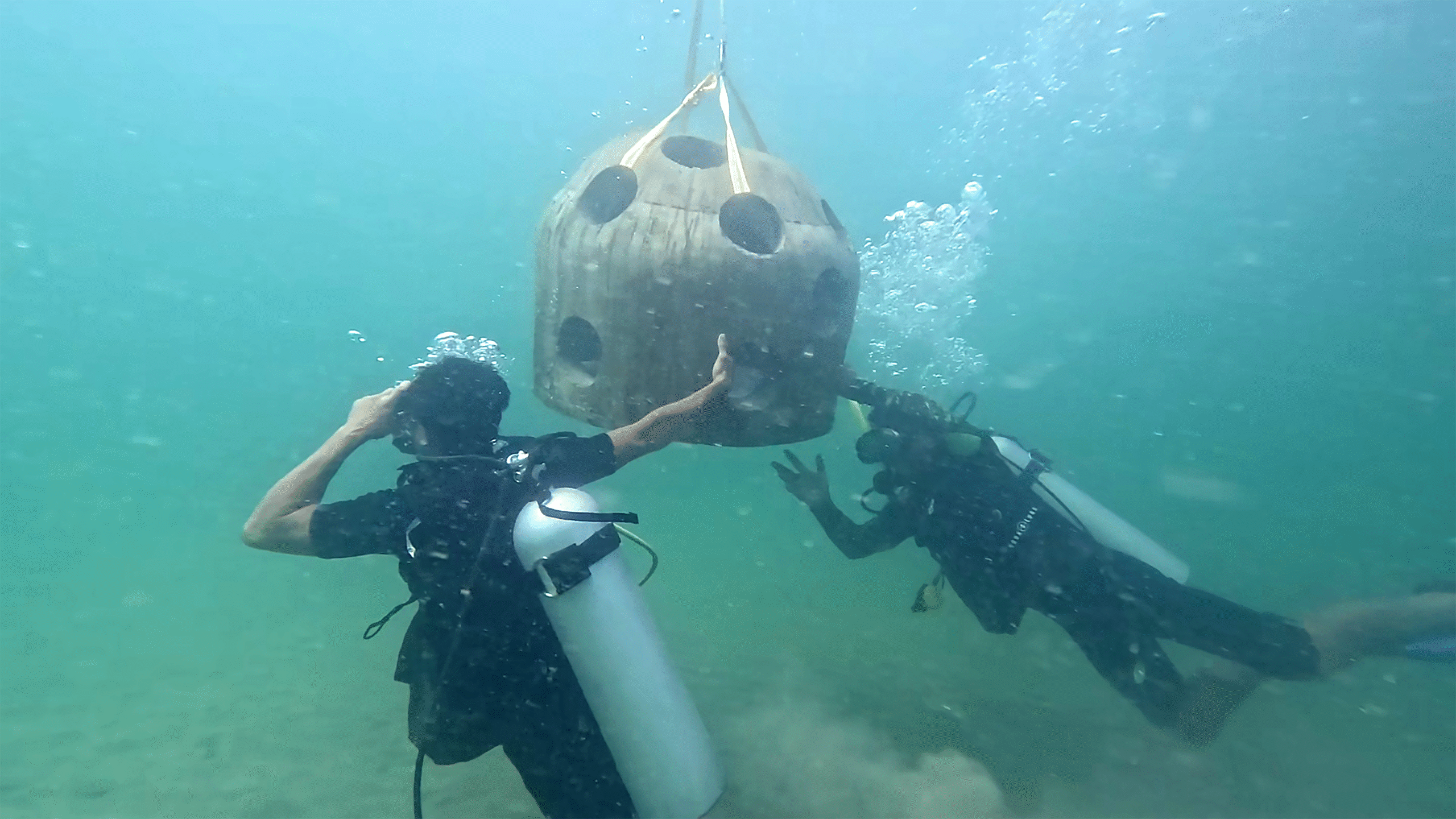
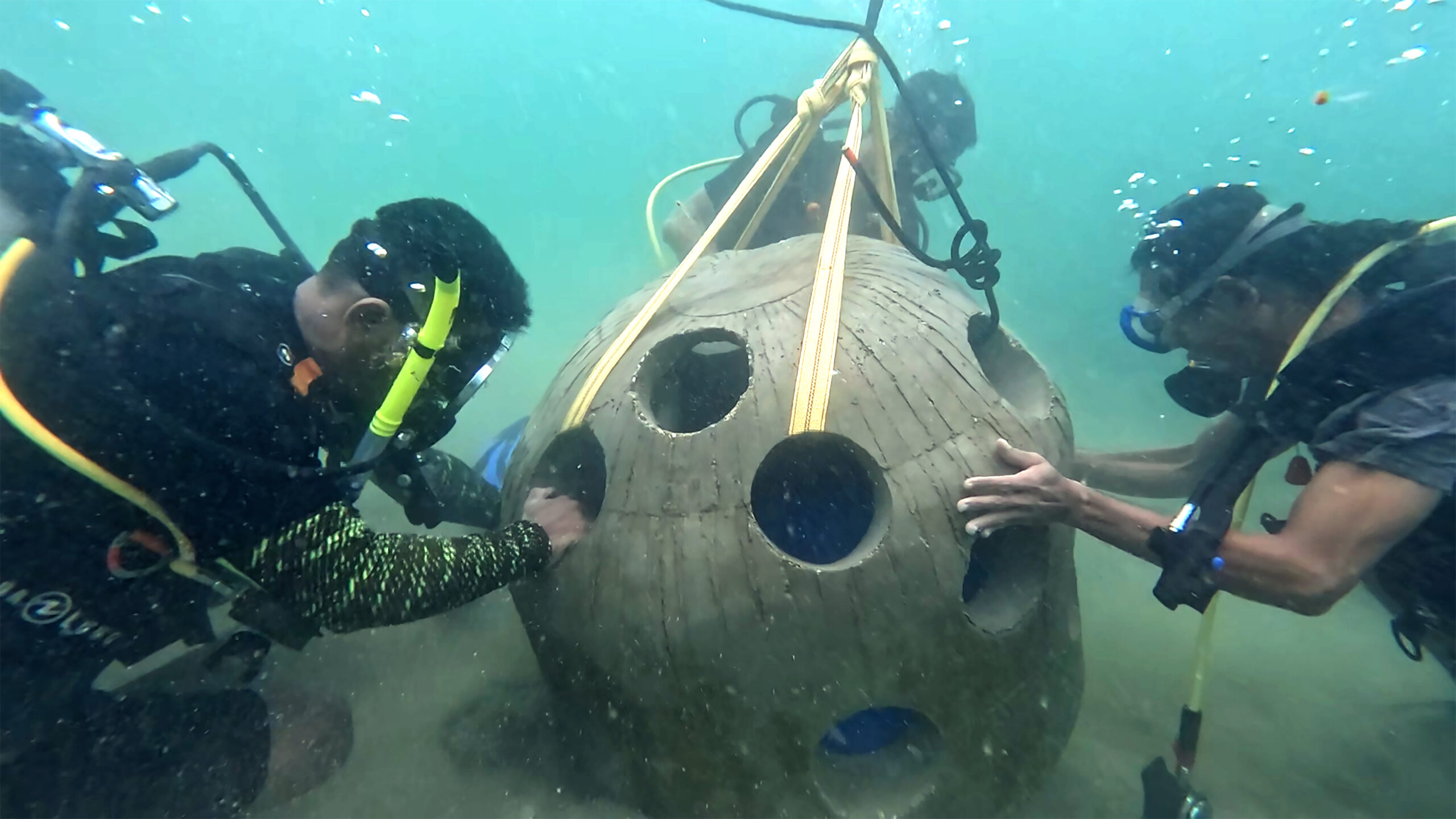
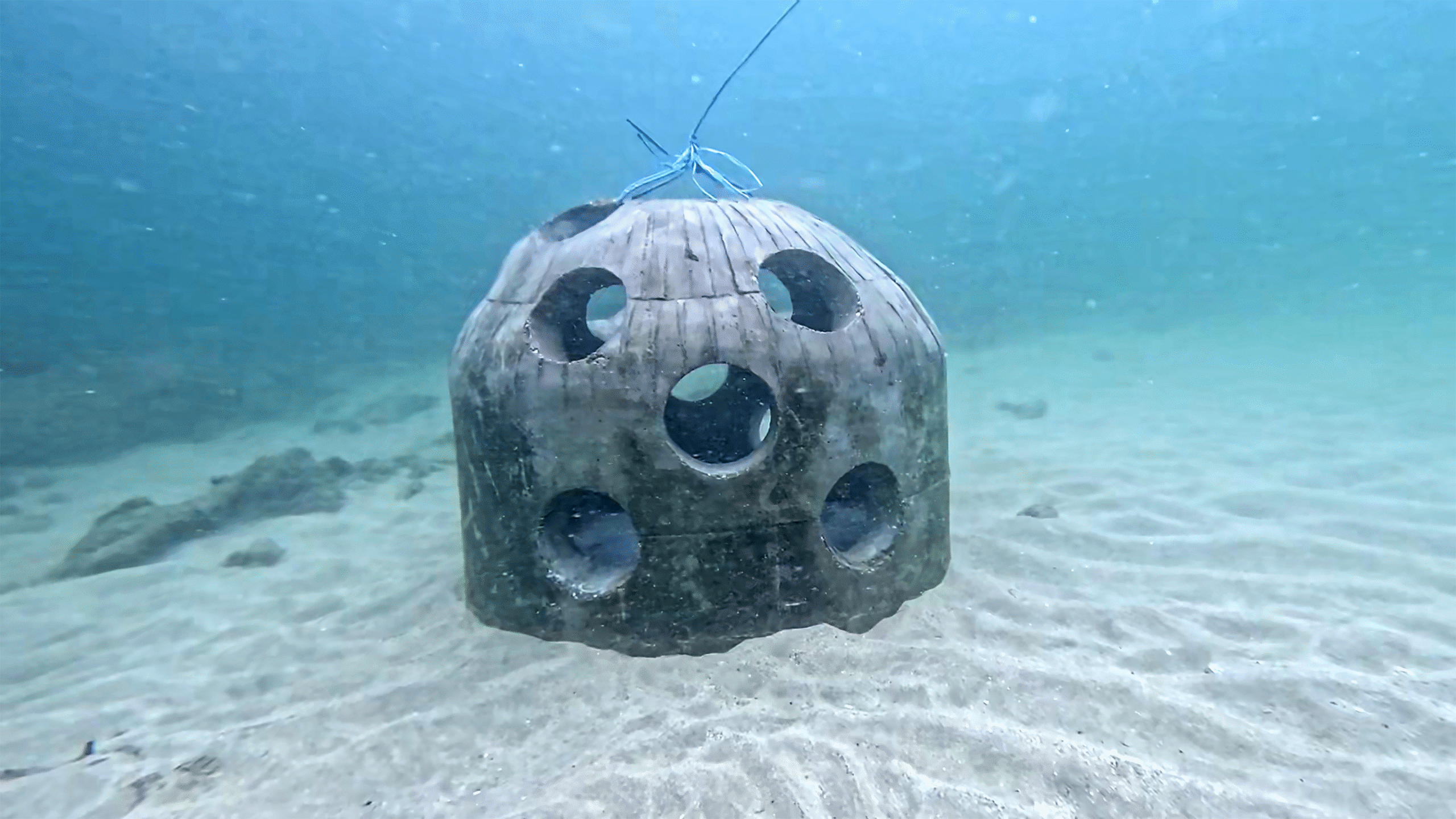
Restoration did not end with deployment. That same afternoon, the Team conducted monitoring and evaluation (M&E) activities, which included cleaning old reef structures, assessing potential threats such as sedimentation or damage, and monitoring coral growth and fish populations. Buoy lines were adjusted, signal lights replaced, and underwater photo and video documentation collected to evaluate reef health and biodiversity within the conservation area.
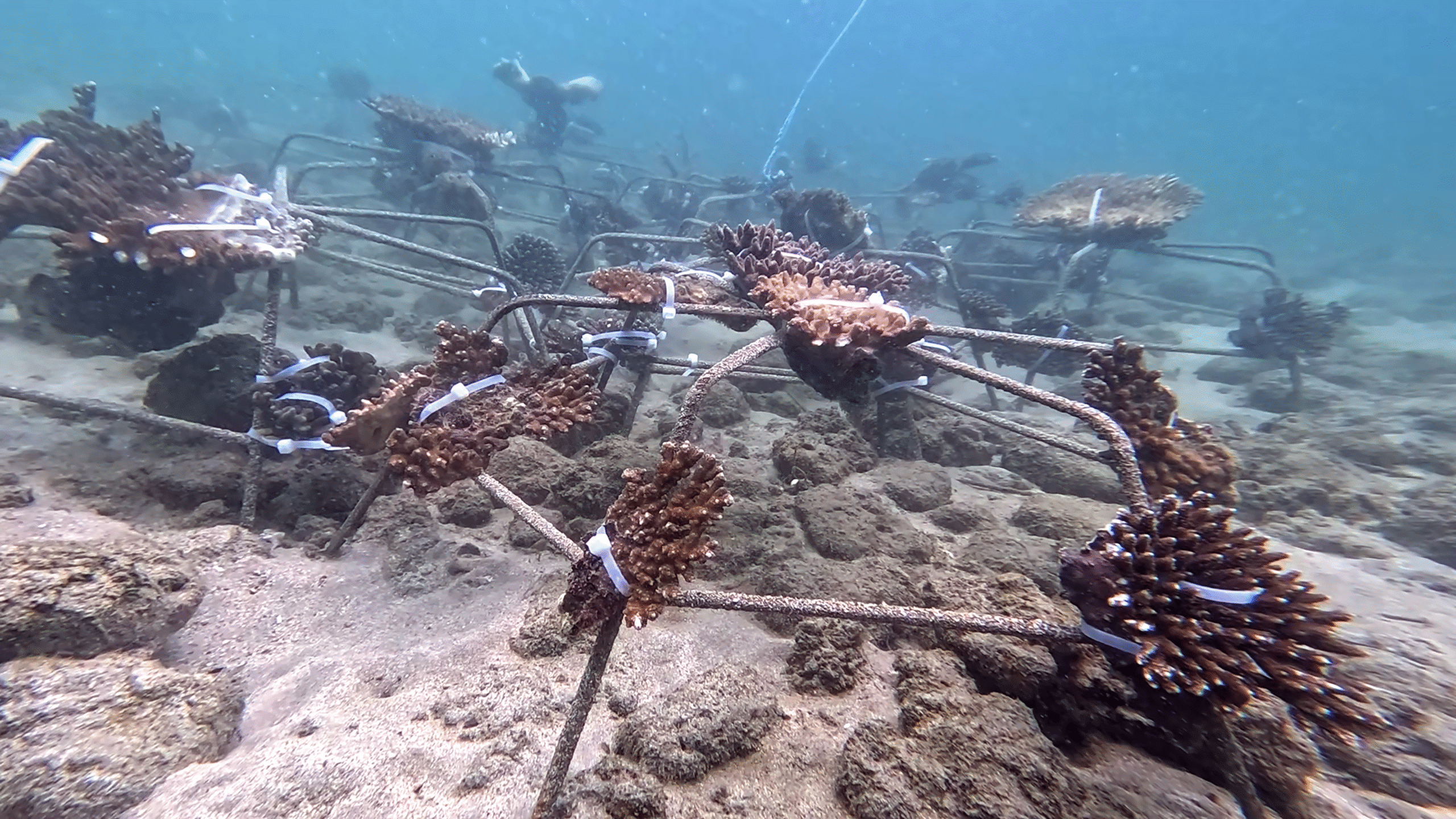
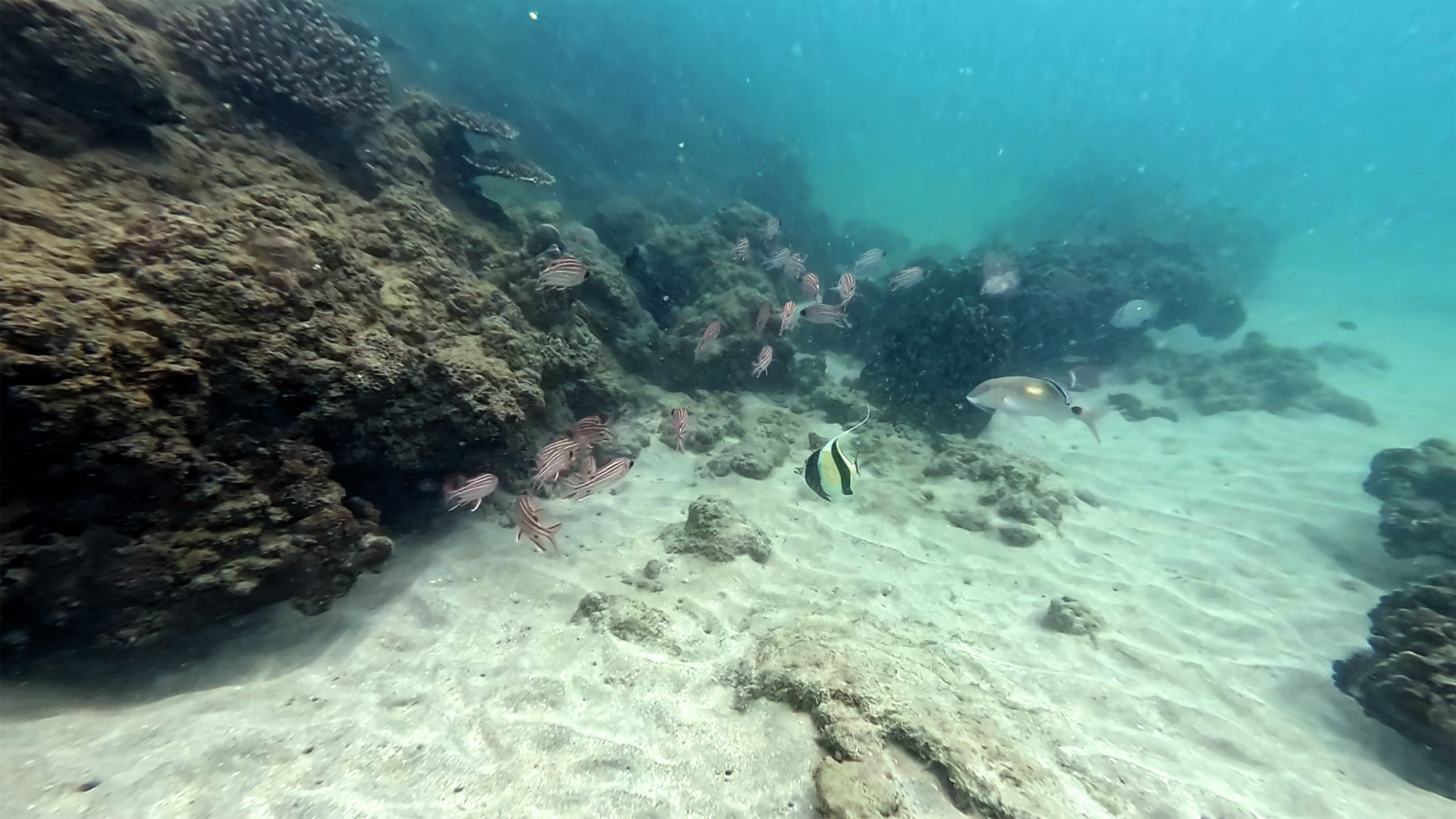
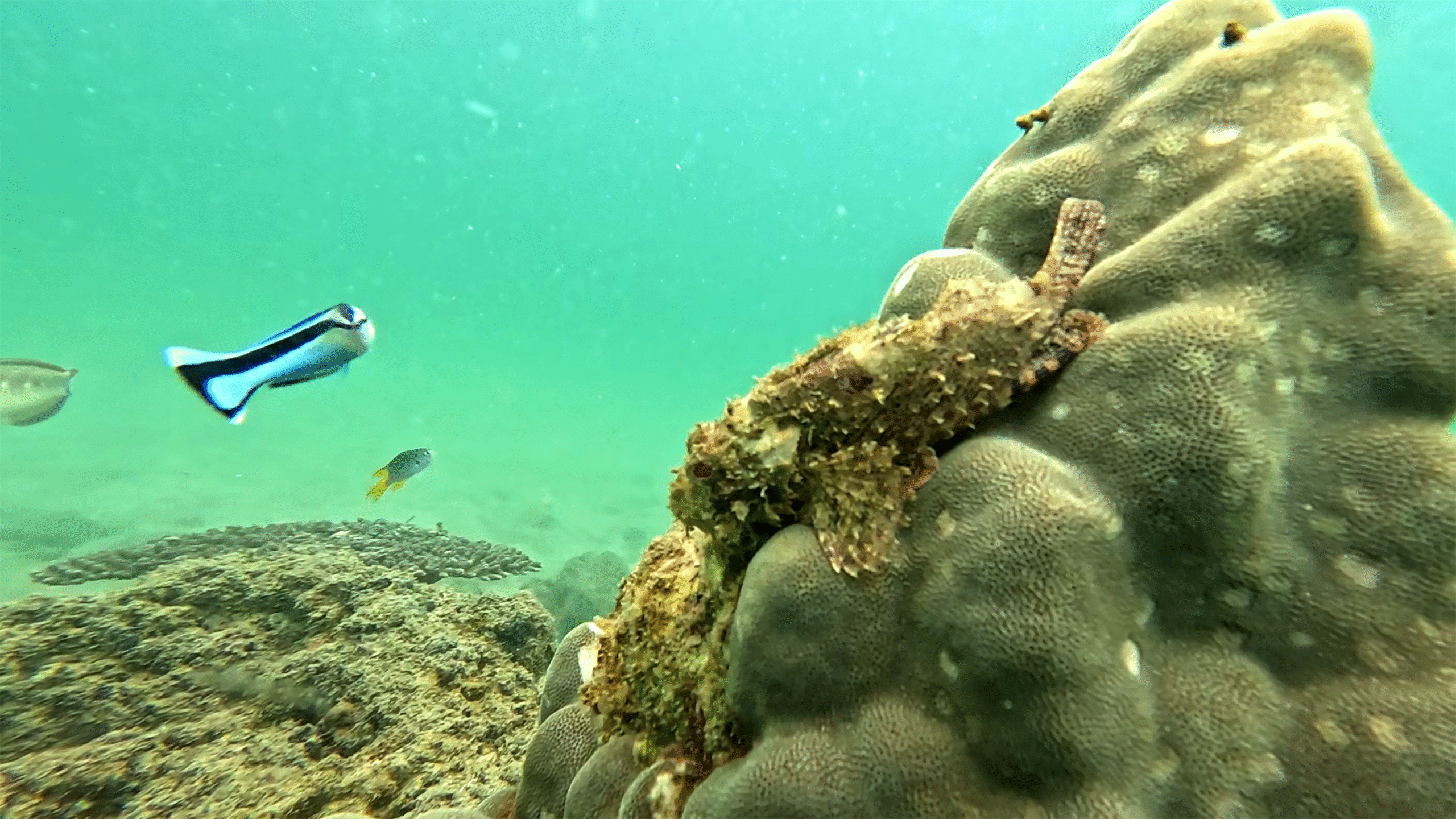
On 11 September 2025, the Team extended its conservation activities to mangrove areas in Nanttharpu, Kywe Chaing and Nga Yoke Kaung, visiting mangrove reforestation sites managed by the Worldview International Foundation. Later that evening, Diving Instructor U Sithu Aung from the Myanmar Diving Center shared diving knowledge with local divers and project members, strengthening community capacity for future conservation.
Building on findings from a coral reef assessment survey conducted in February 2025, which identified the site in front of Bay of Bengal Hotel in Ngwe Saung, as highly suitable for conservation, the PIP CSR Team expanded its conservation activities. On 05 September 2025, 10 reef stars were deployed in front of Bay of Bengal Hotel, Ngwe Saung. Chosen for its favorable water quality, coral presence, and accessibility, the location offers strong potential for coral regeneration and reef ecosystem growth.
These September efforts mark the culmination of a year-long journey under the Coral Revive Project. In collaboration with local stakeholders, the PIP CSR Team successfully deployed a range of artificial reef structures, beginning with 4 concrete blocks and 2 coral nursery structures in October 2024, followed by an additional 4 concrete blocks and seagrass bags in November 2024, and 12 concrete pipes and 5 reef stars in March 2025. By September 2025, the cumulative deployment included 12 reef balls and 11 reef stars in Nga Yoke Kaung and 10 reef stars in Ngwe Saung.
From initial deployments of concrete blocks and nursery structures in late 2024 to the latest reef balls and stars, each intervention has been designed in collaboration with local communities, combining traditional knowledge with scientific insight. And as the tides rise and fall around Sabahtar Island and Ngwe Saung, marine life is quietly returning—proof that even in the face of environmental challenges, recovery is possible when people work together, guided by science, solidarity, and a shared commitment to the sea.
Community Action Day: Strengthening Coral Reef Conservation Efforts in Ayeyarwady Region
The degradation of marine ecosystems, particularly coral reefs, has become a pressing environmental concern worldwide. In Myanmar, MPRL A-6, a responsible corporate entity, has taken significant steps to address this issue through its Corporate Social Responsibility (CSR) initiatives. Although not a contractual obligation, the company has voluntarily established a dedicated fund to support CSR activities within its Pyitharyar Integrated Project (PIP) area, with a particular focus on marine ecosystem restoration.
Read moreCommunity Action Day: Strengthening Coral Reef Conservation Efforts in Ayeyarwady Region The degradation of marine ecosystems, particularly coral reefs, has become a pressing environmental concern worldwide. In Myanmar, MPRL A-6, a responsible corporate entity, has taken significant steps to address this issue through its Corporate Social Responsibility (CSR) initiatives. Although not a contractual obligation, the company has voluntarily established a dedicated fund to support CSR activities within its Pyitharyar Integrated Project (PIP) area, with a particular focus on marine ecosystem restoration.
Recognizing the growing threats to coral reefs in Ayeyarwady Region, MPRL A-6 launched the Locally Managed Coral Reef Conservation Area project (2024–2026), fully funded by the PIP CSR Program. This initiative aims to promote long-term sustainability and foster community engagement in conservation efforts.
The company’s efforts gained momentum in April 2024 with the launch of the Coral Revive Project, a pilot initiative targeting the restoration of coral reefs near Sabahtar Island, Nga Yoke Kaung Town. This project is designed to protect and restore these crucial ecosystems while minimizing socioeconomic impacts on local fishermen. By actively engaging community members, government agencies, and marine experts, the initiative fosters local ownership of conservation efforts and promotes a collaborative approach to marine sustainability.
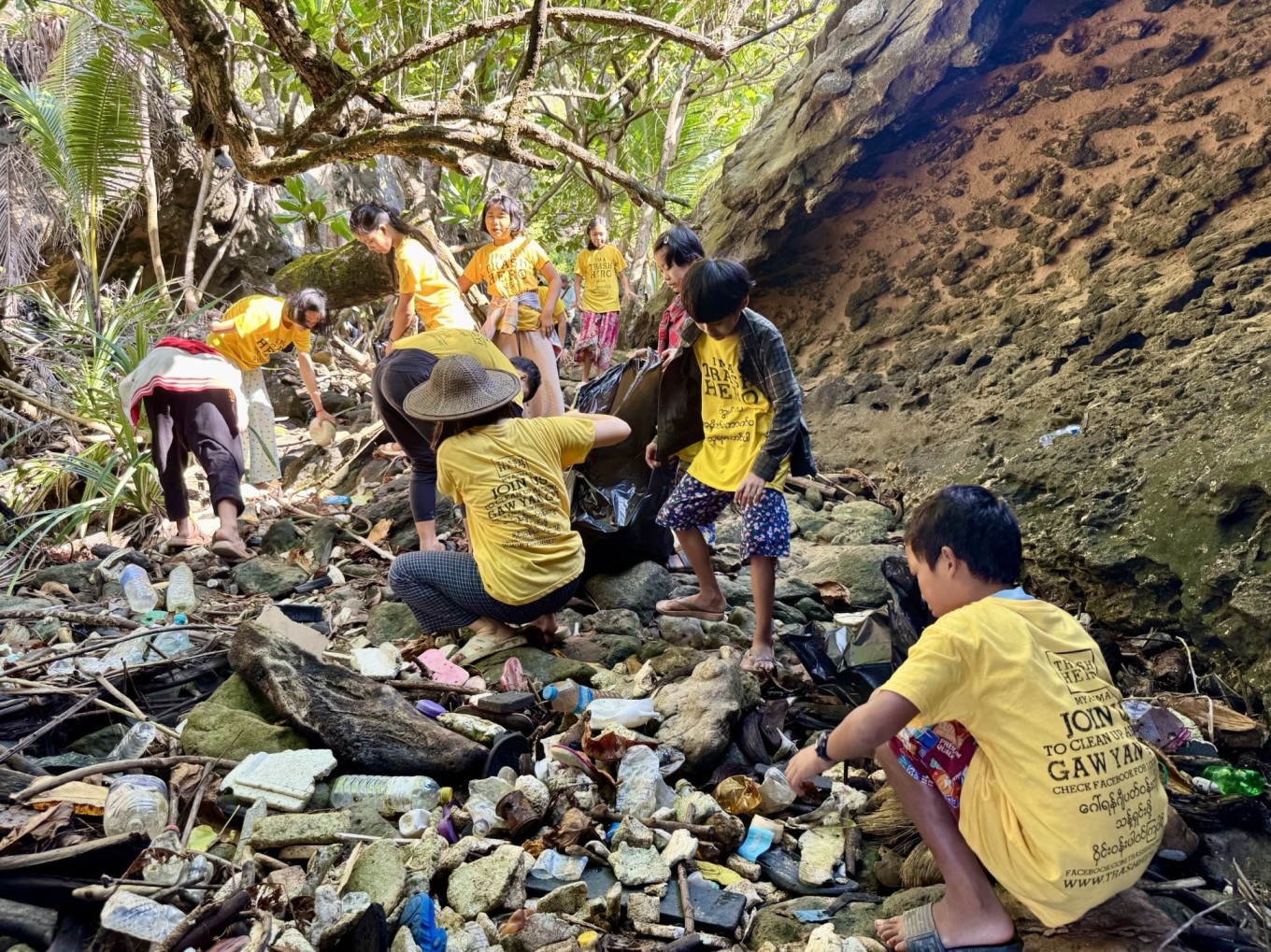
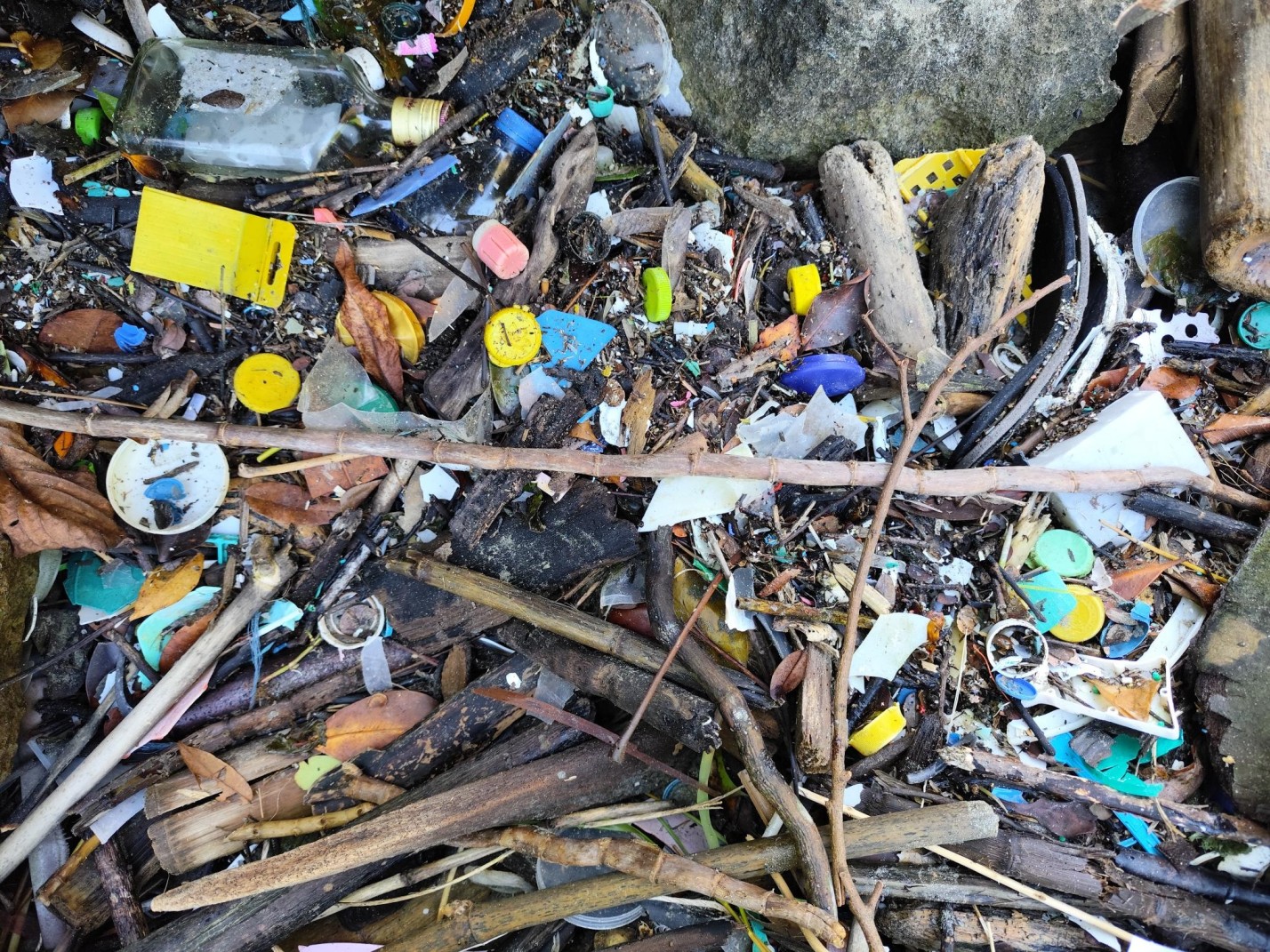
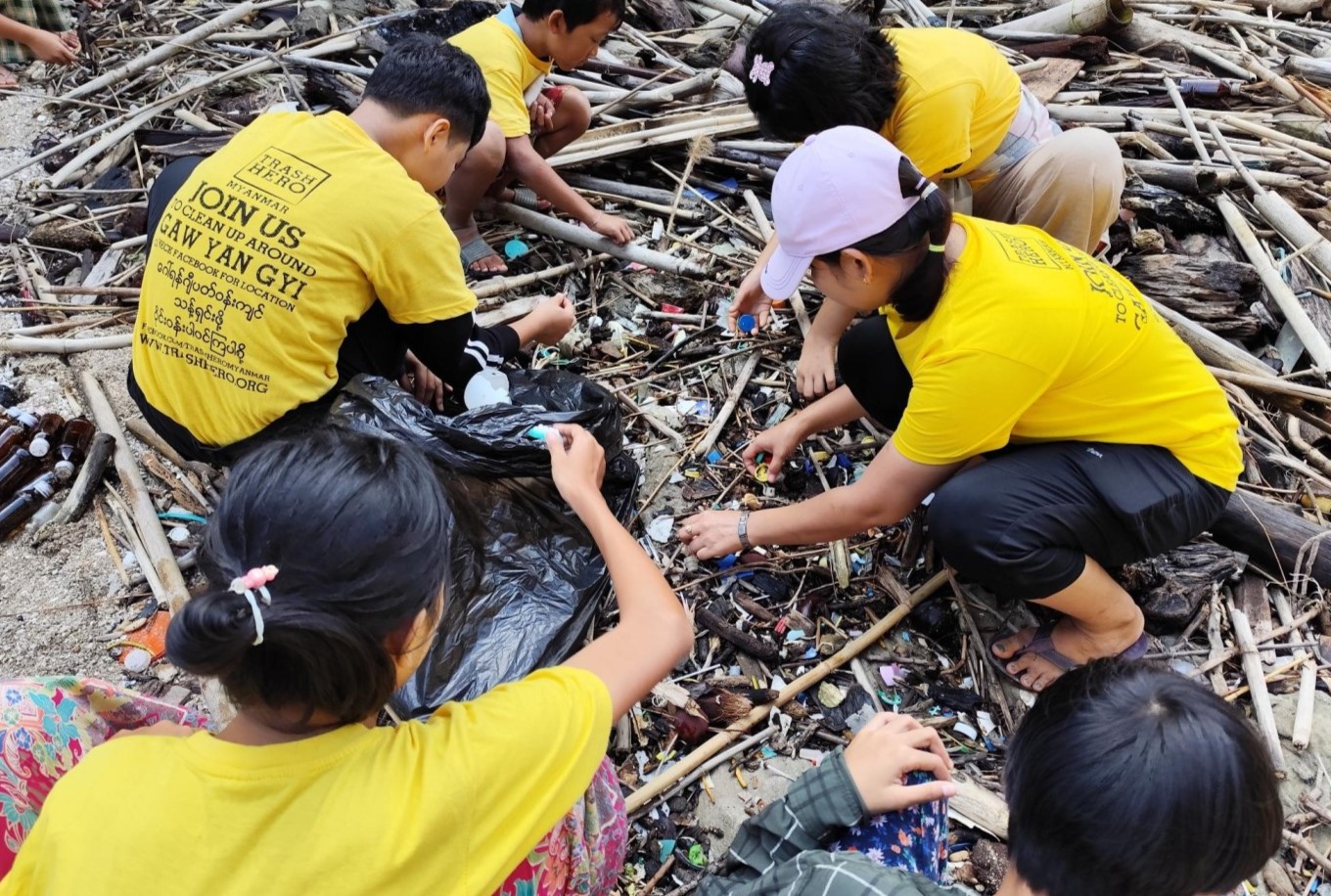
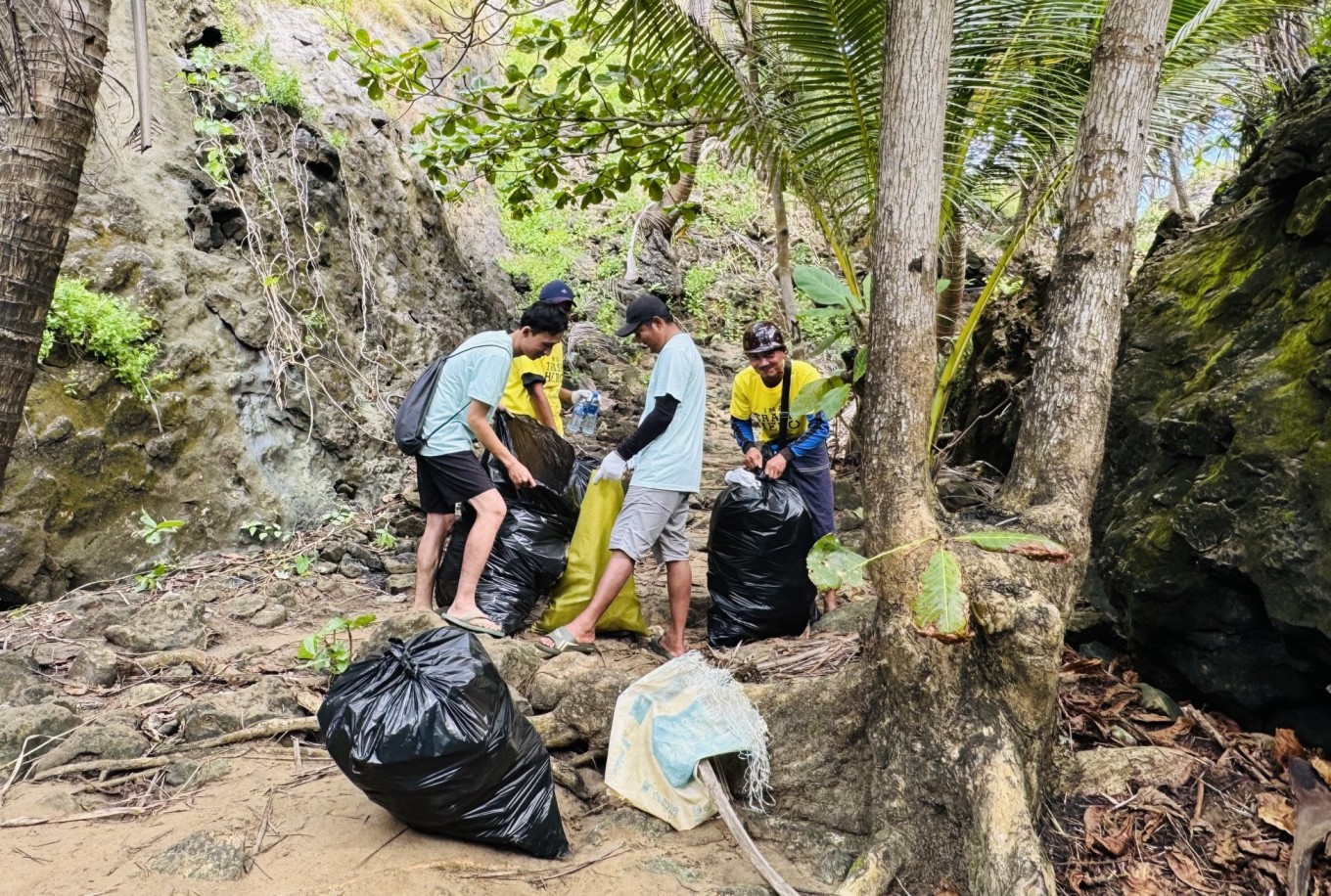
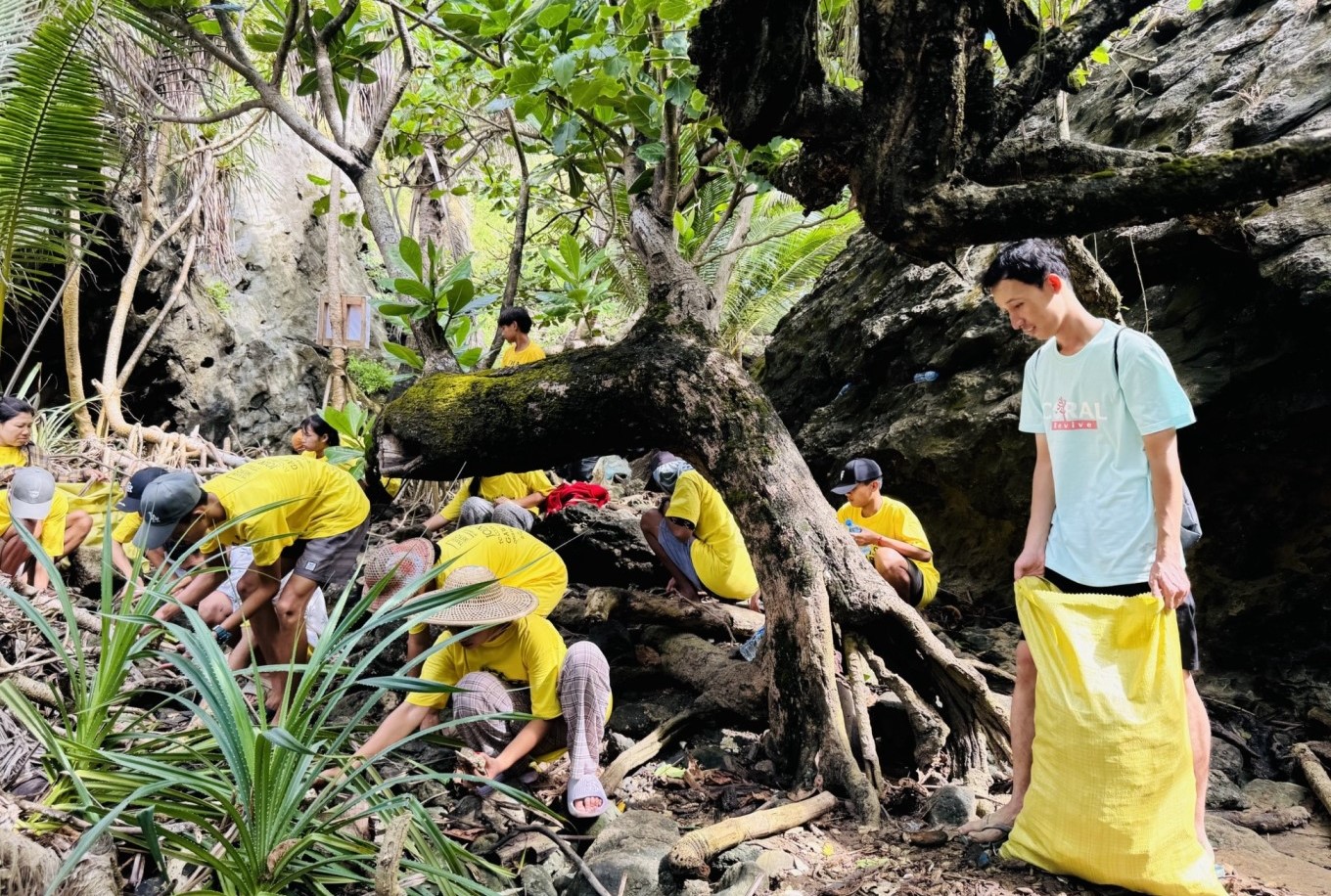
On 10 and 11 November 2024, MPRL A-6’s PIP CSR Program organized Community Action Day, a key event within the ongoing coral reef conservation pilot project. The two-day initiative featured activities aimed at reinforcing the company’s commitment to marine conservation. These included the deployment of artificial reefs, seagrass recultivation, the installation of awareness signboards, and extensive cleanup efforts both onshore and underwater. A project status review and stakeholder engagement workshop further strengthened communication and collaboration among participants, ensuring a unified approach to conservation.
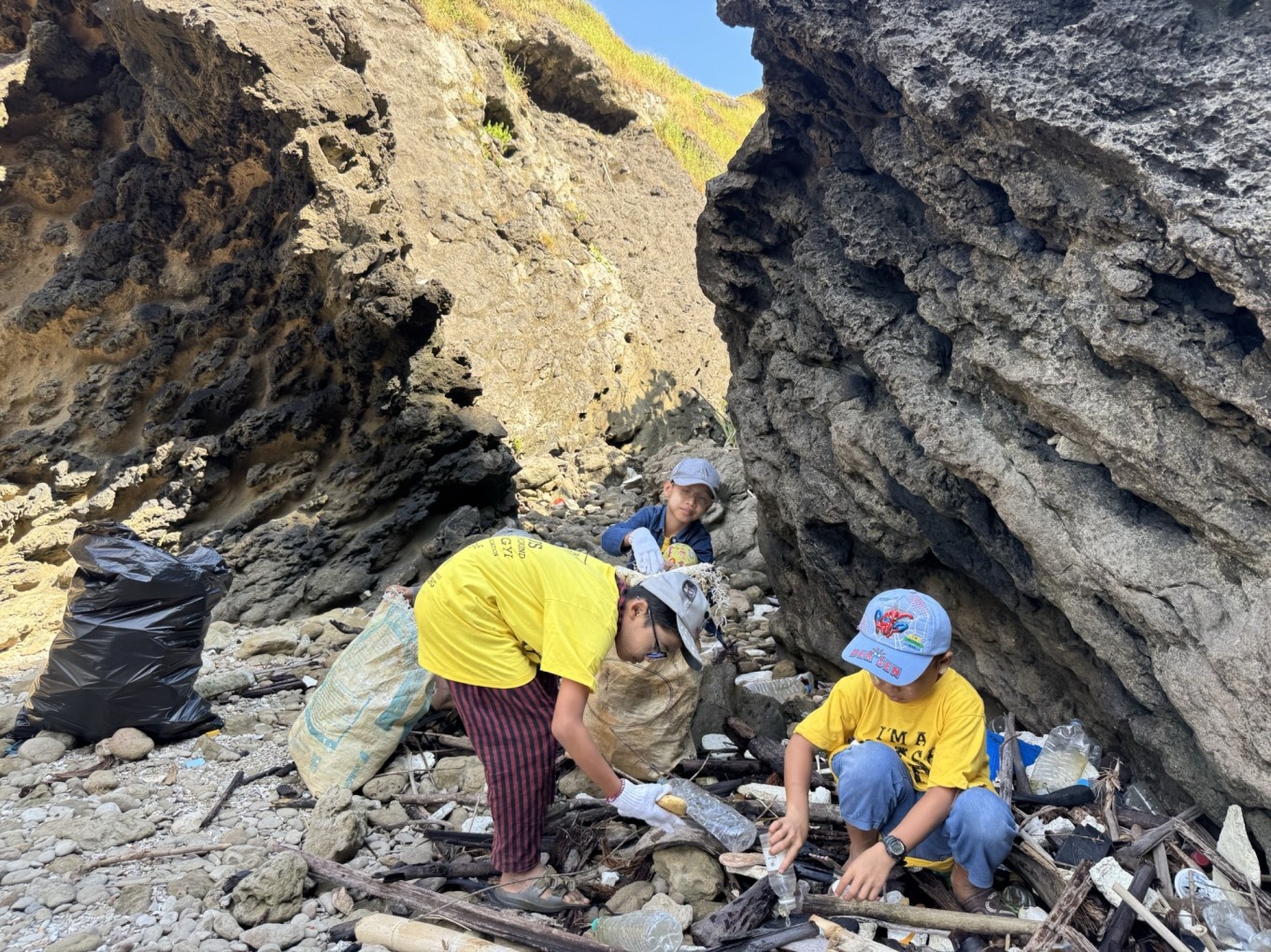
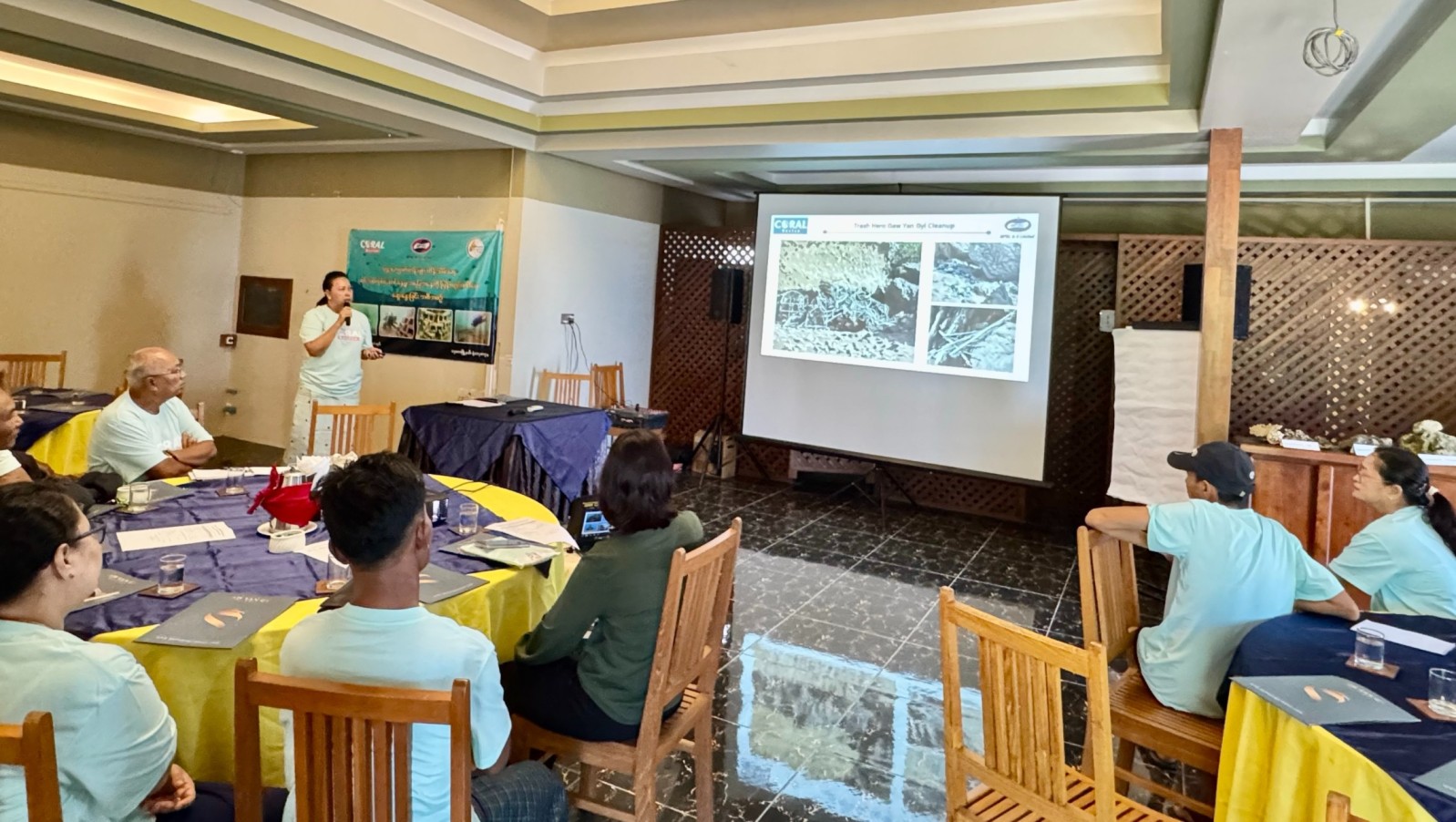
The first day of the Community Action Day, 10 November 2024, was dedicated to hands-on conservation activities. The Coral Revive Team—comprising PIP CSR Team members, marine scientists, scuba experts, and local volunteer divers—partnered with Trash Hero Gaw Yan Gyi for a large-scale beach cleanup at Angel Walkway Beach (Gaw Yan Gyi Island). A total of 51 volunteers, including 39 adults and 12 children, collected 175 kilograms of waste, demonstrating strong community involvement and commitment to environmental preservation.
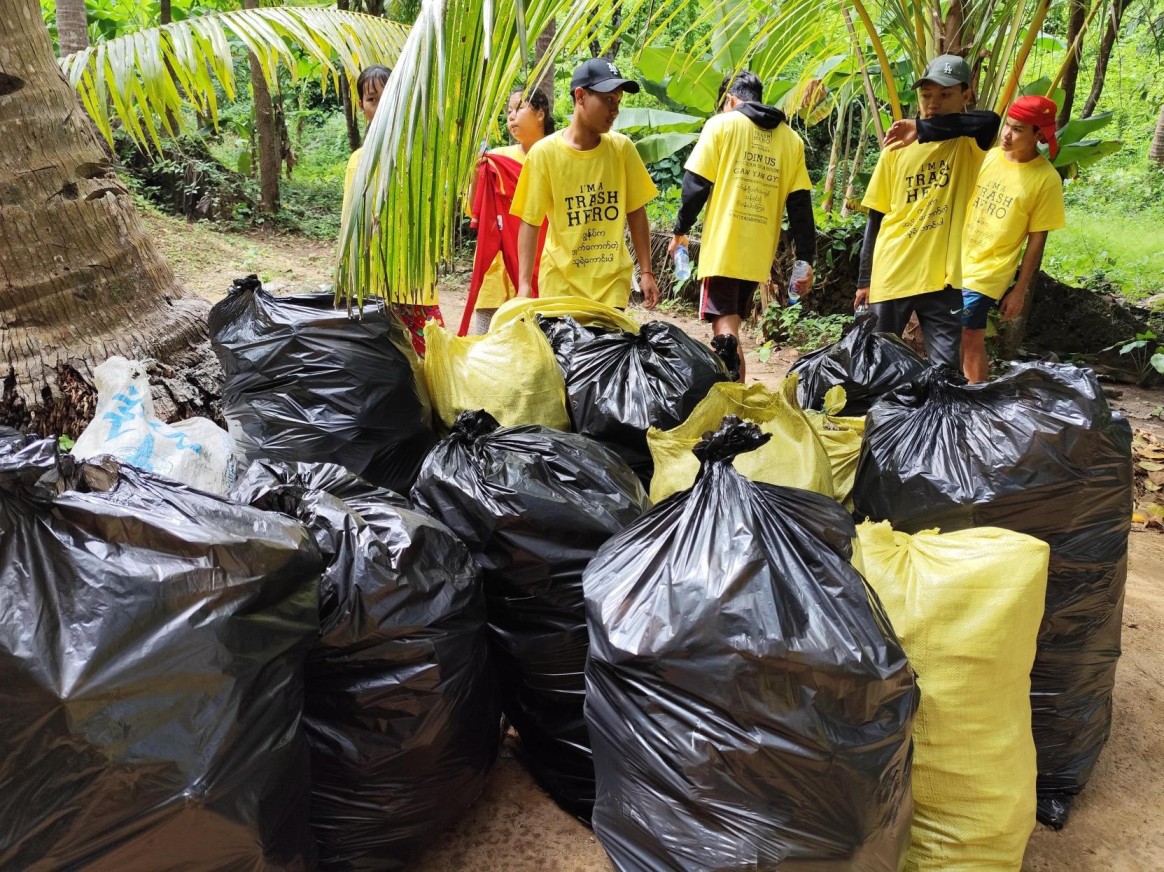
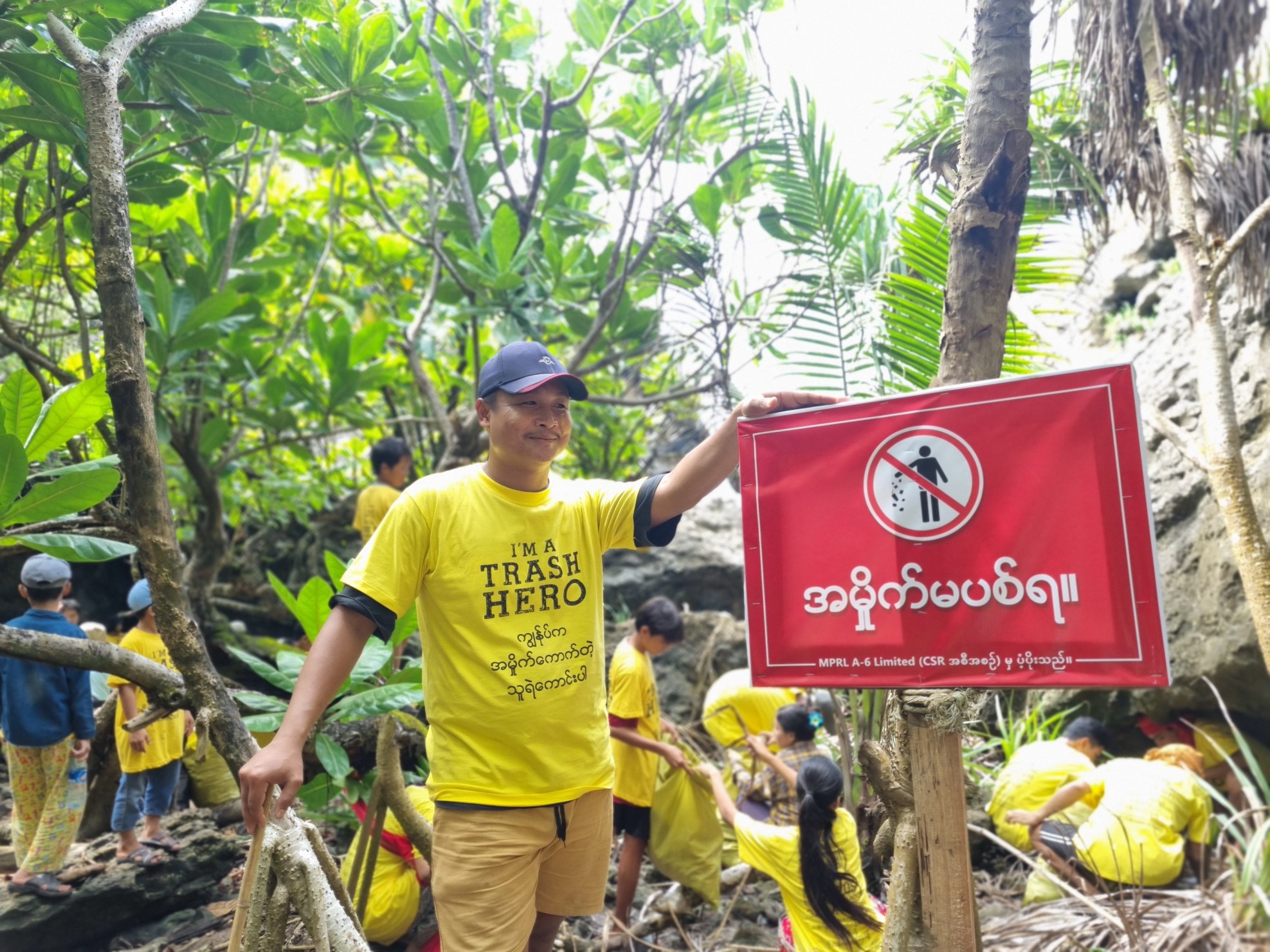
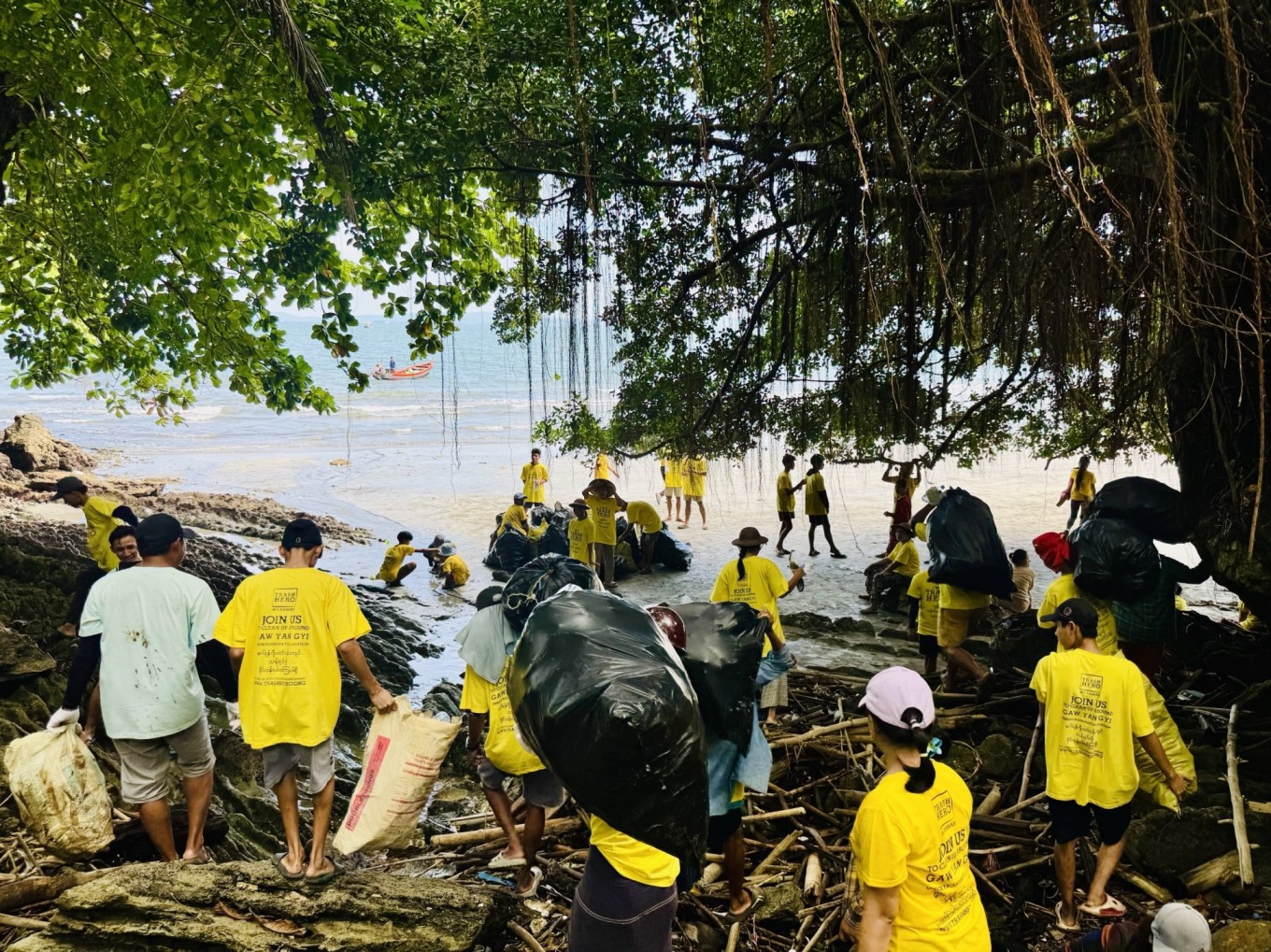
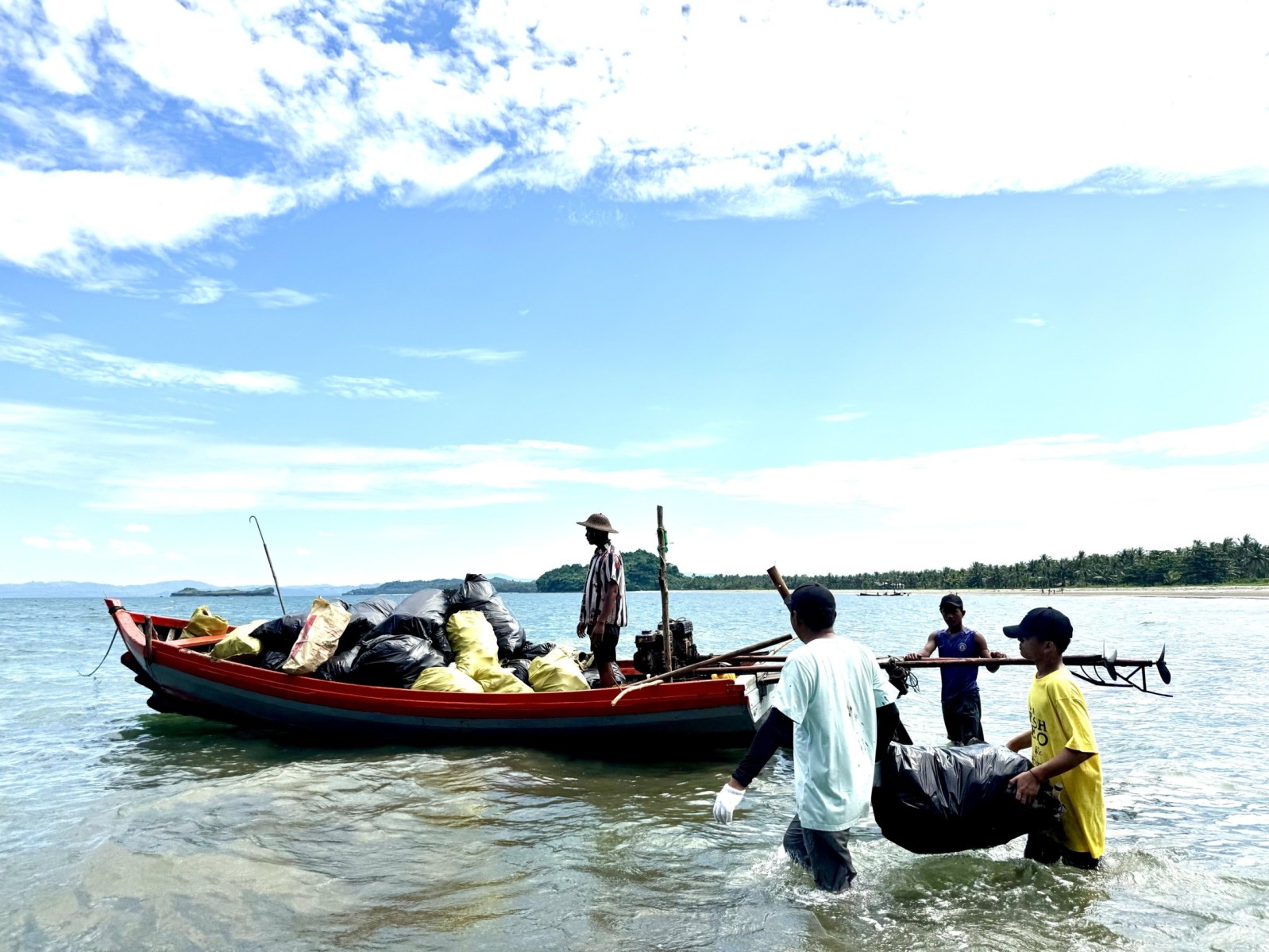
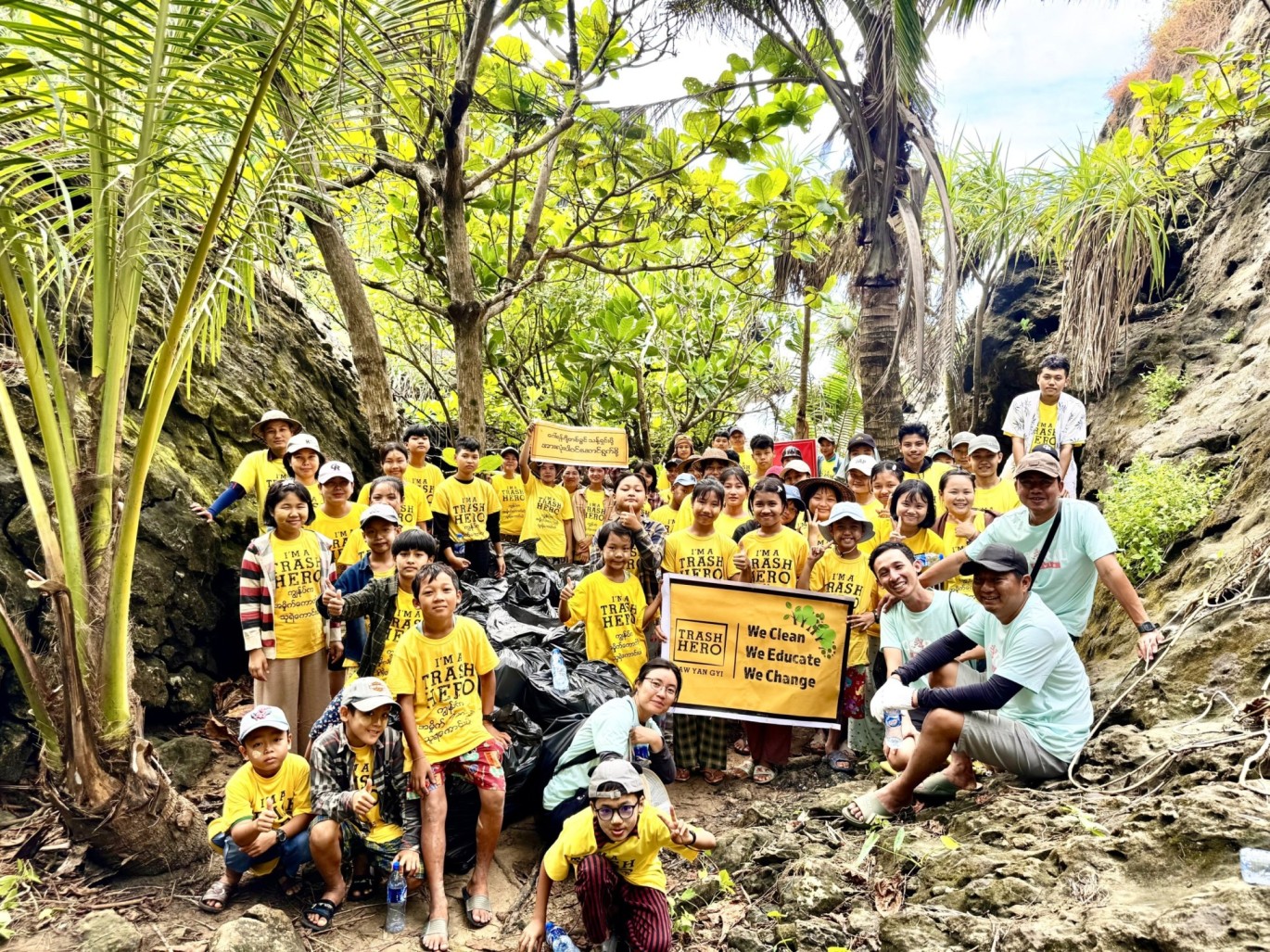
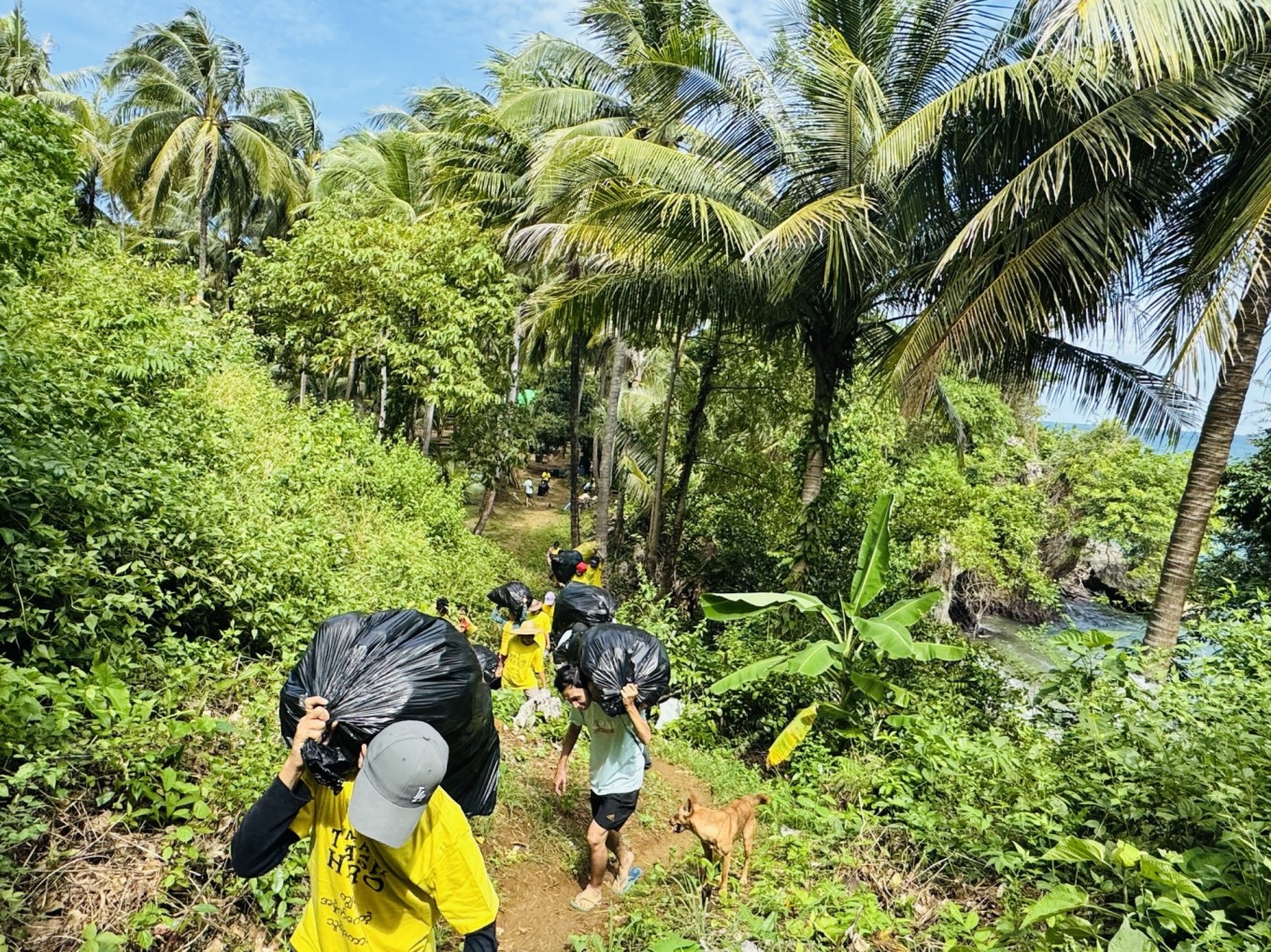
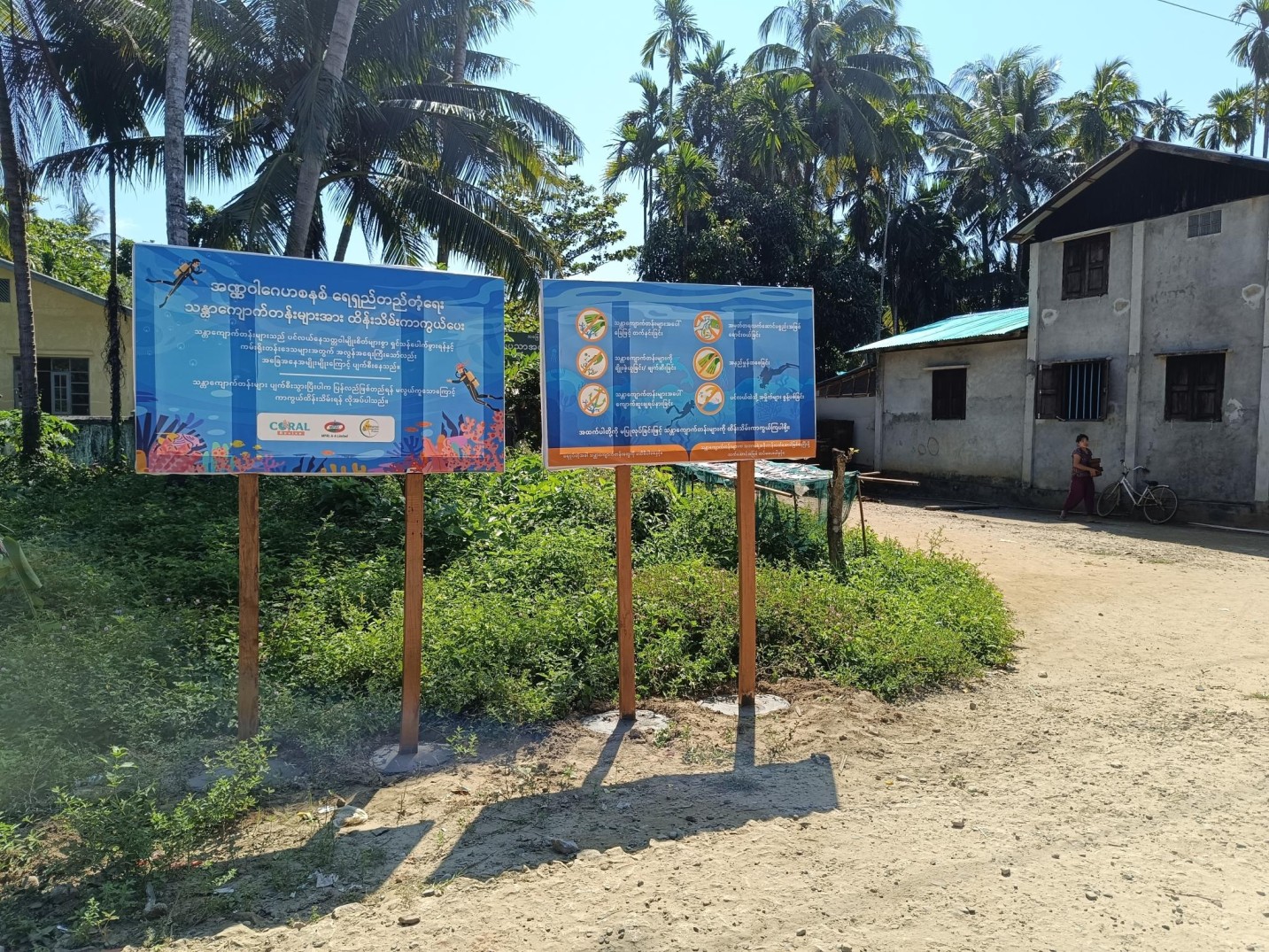
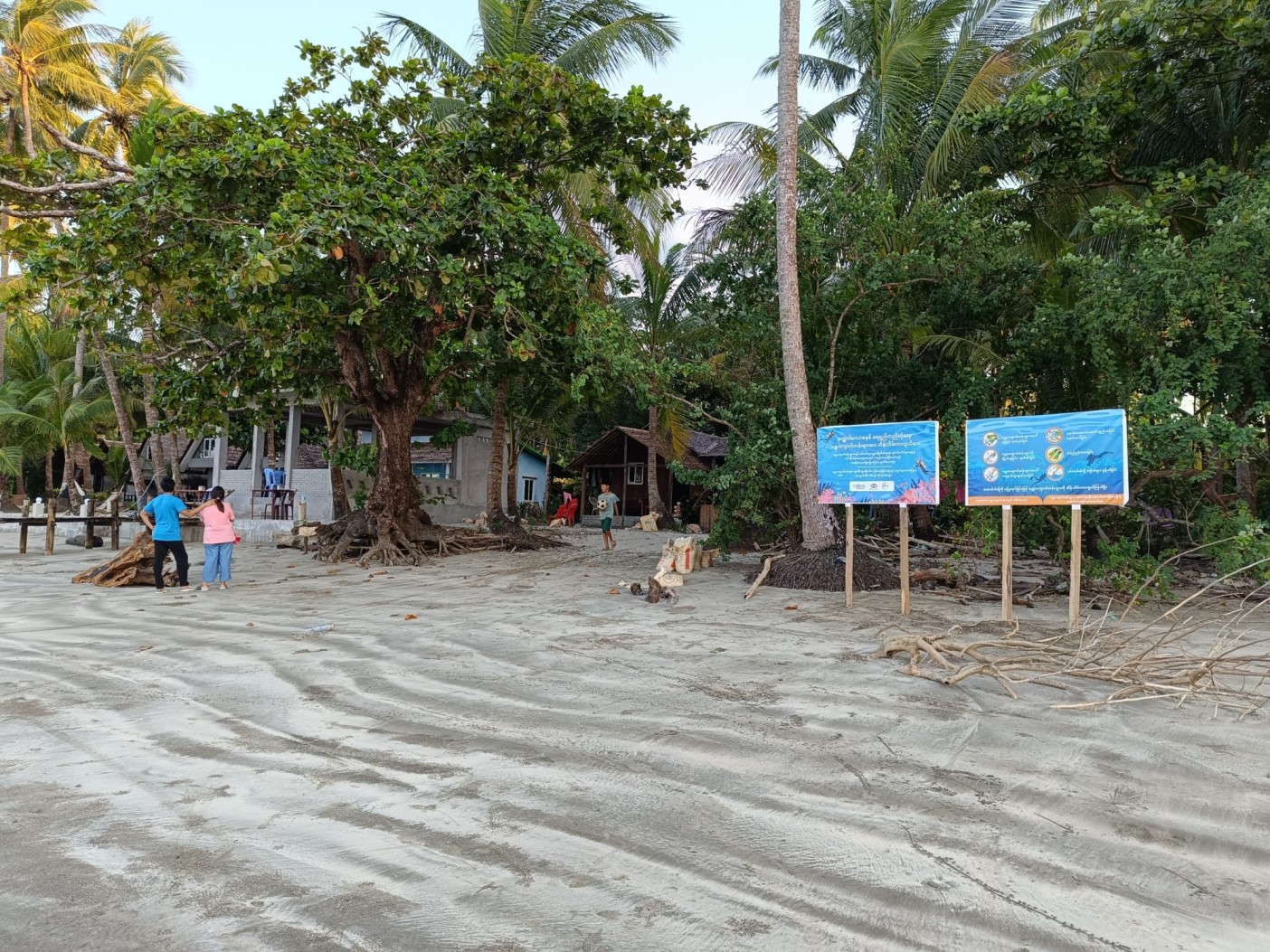
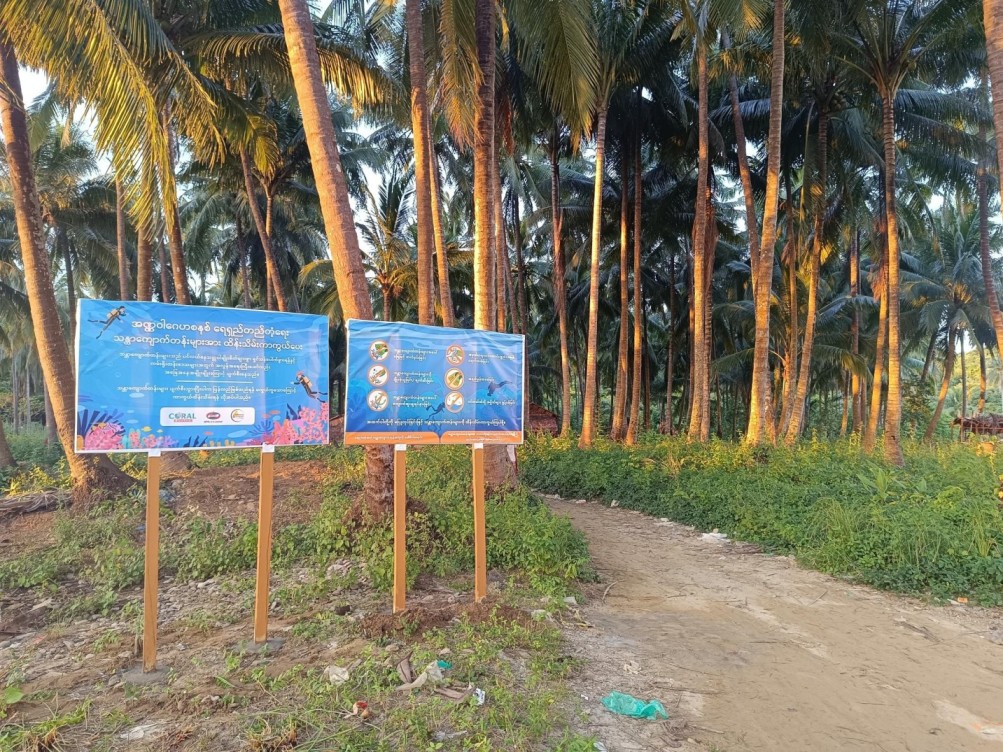
To promote sustainable waste management practices, the PIP CSR Team installed five land-based signboards encouraging responsible waste disposal. Additionally, an underwater cleanup operation near Sabahtar Island removed debris that posed threats to coral habitats, further safeguarding the marine ecosystem.
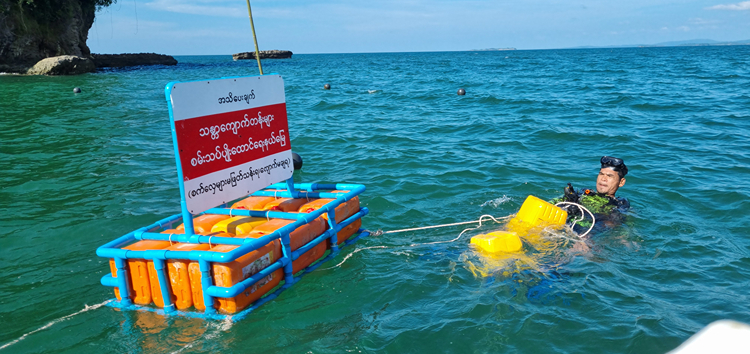
The conservation efforts extended to the deployment of four artificial reefs and the recultivation of seagrass, bringing the total conservation infrastructure to eight artificial reefs, two coral nurseries, and multiple seagrass bags around Sabahtar Island. These interventions are designed to create new breeding grounds for marine life, supporting coral restoration and biodiversity recovery. To ensure continued protection of marine biodiversity, two floating signboards were installed to promote awareness and advise against fishing and anchoring in the protected area.
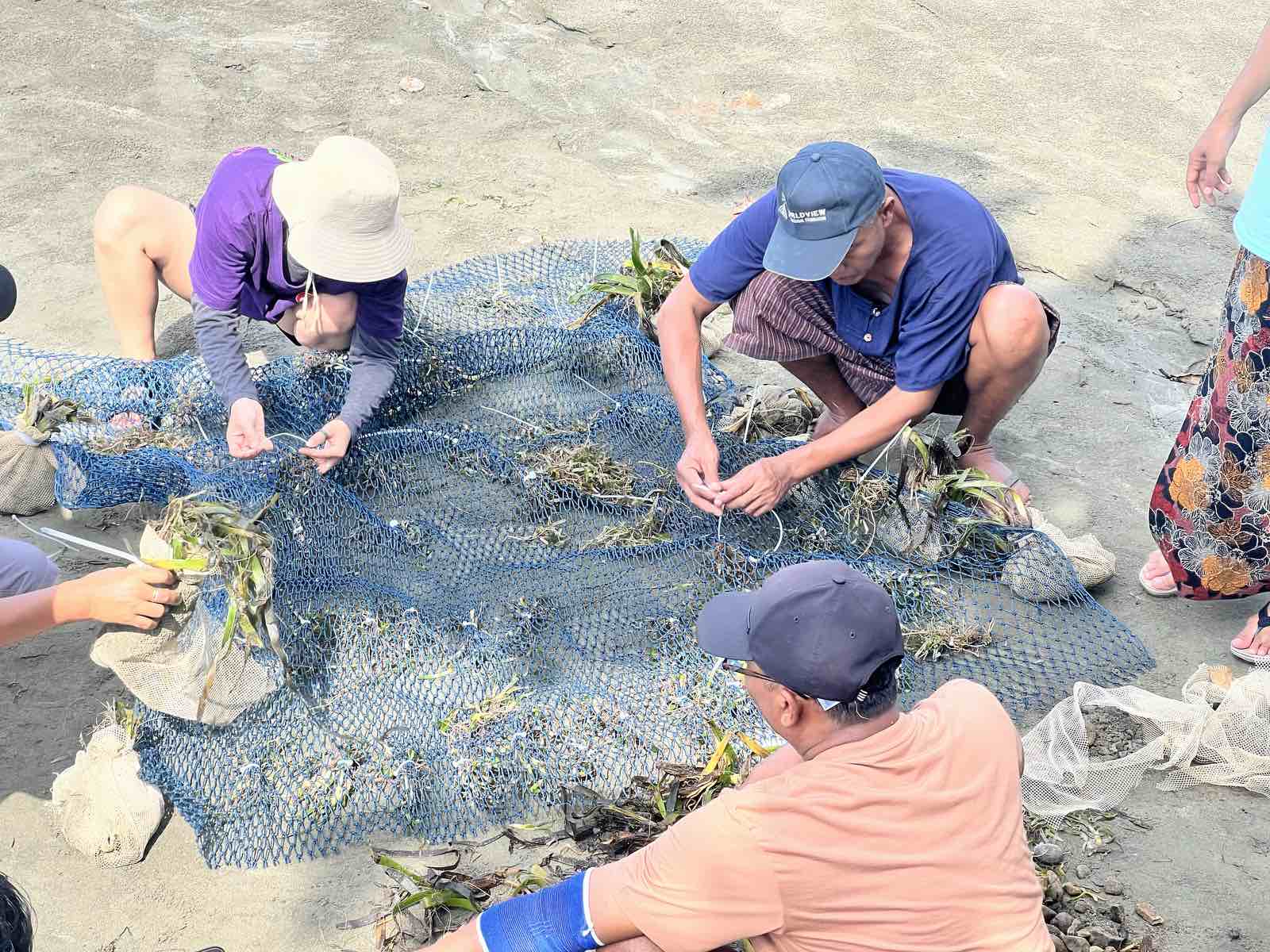
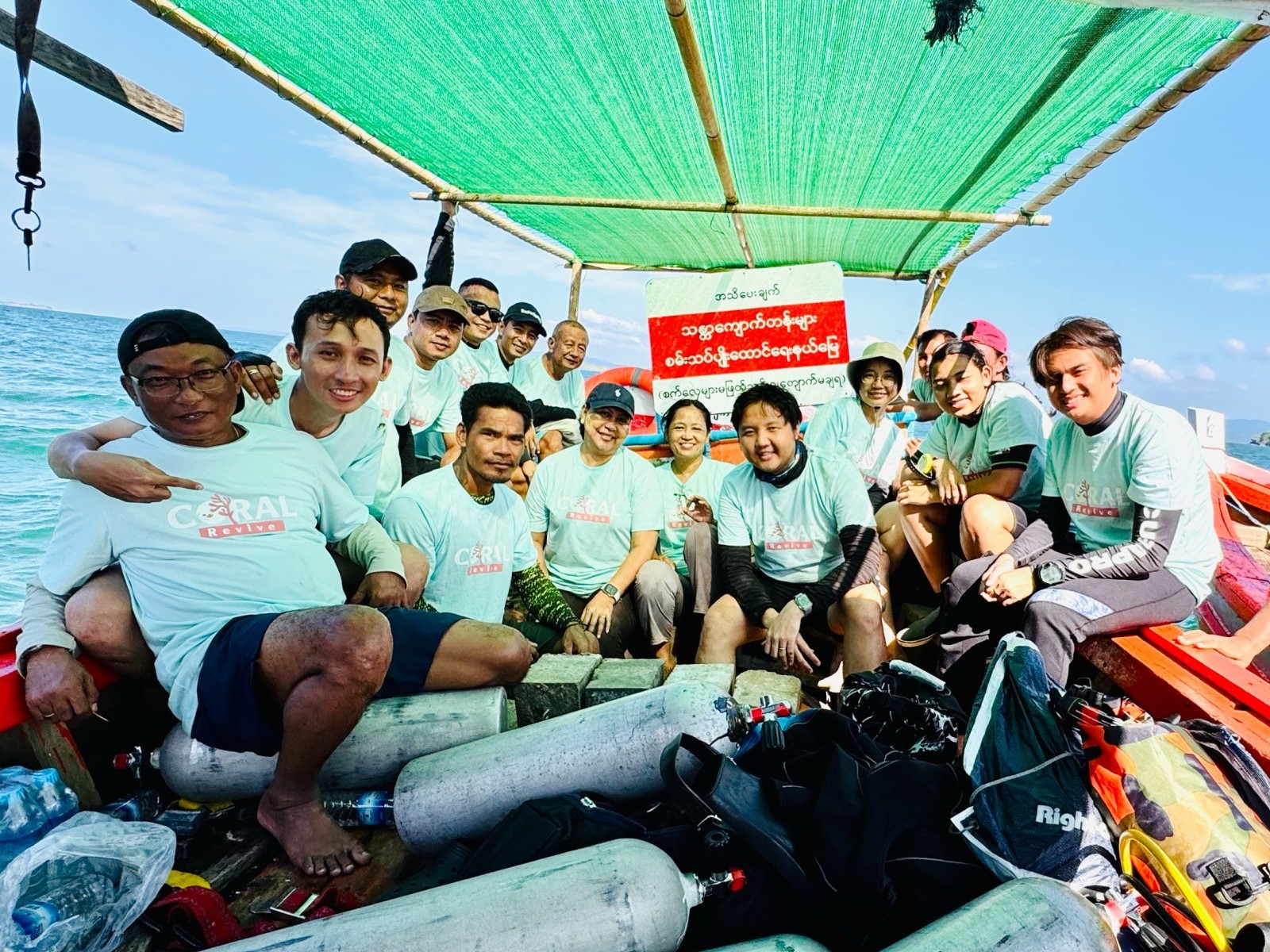
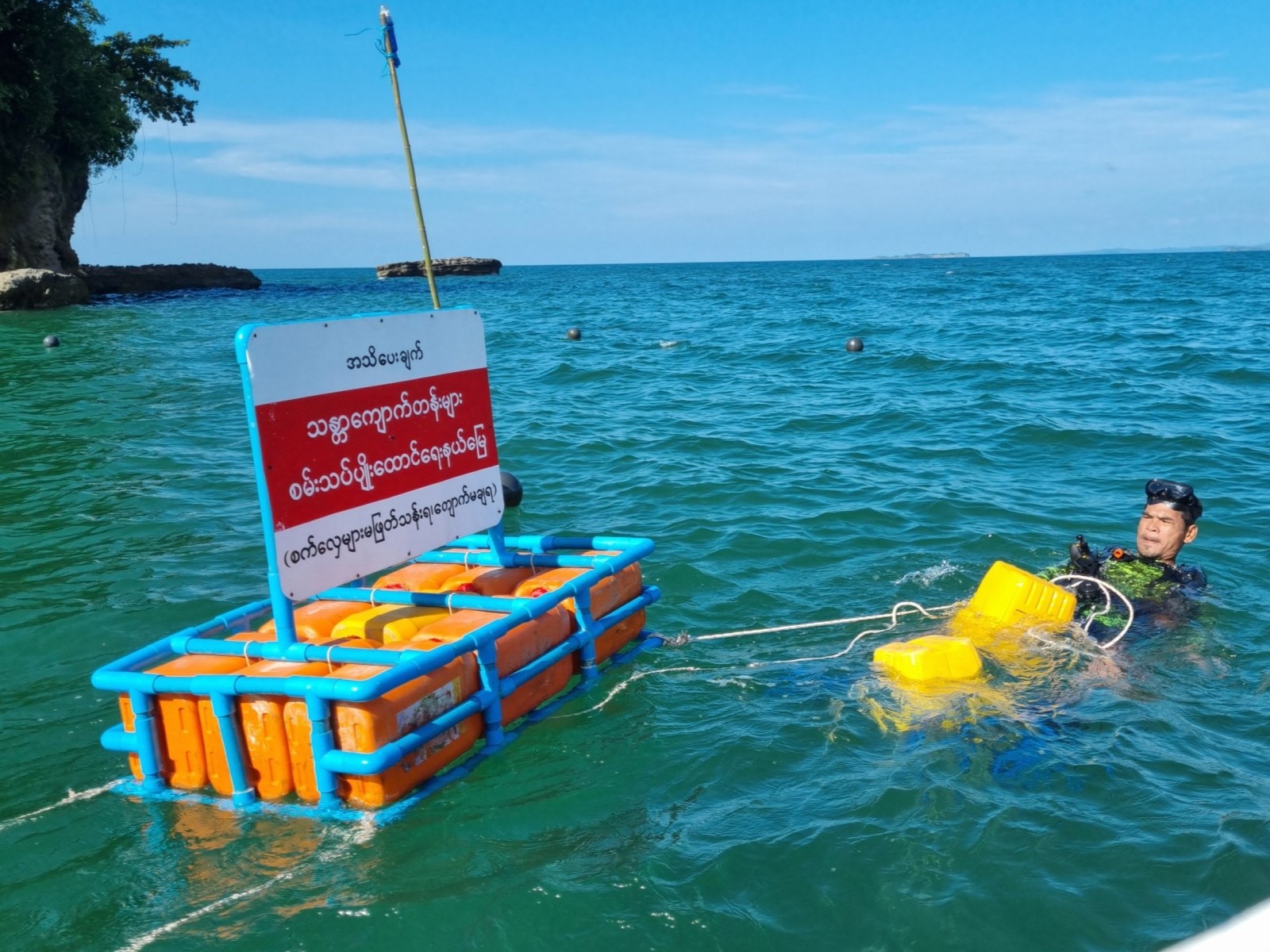
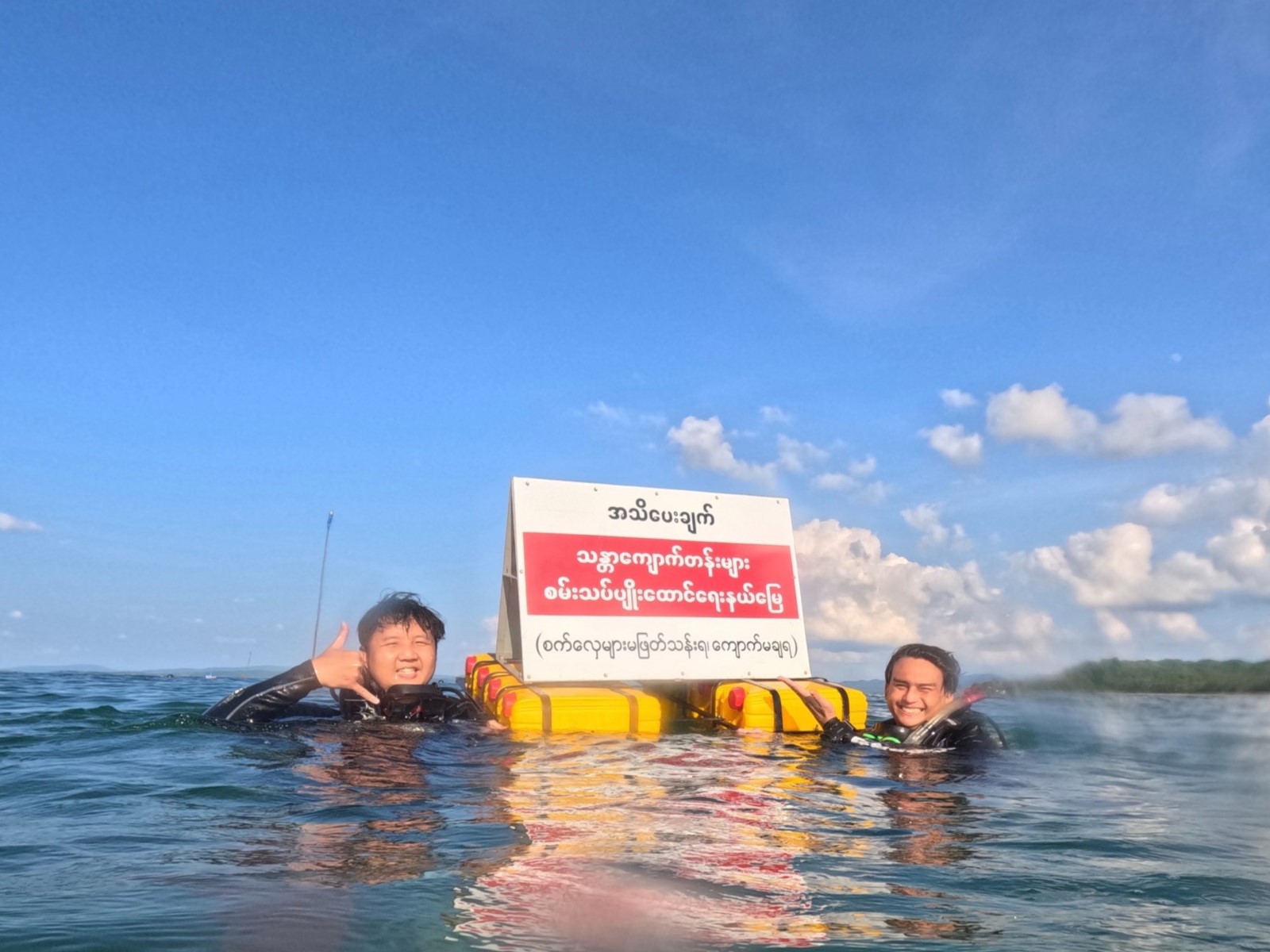
In addition to hands-on conservation activities, the PIP CSR Team installed coral awareness and conservation signboards in key locations around the Gaw Yan Gyi area. Strategically placed in high-traffic areas such as schools, beaches, and community hubs, these signboards serve as educational tools to raise awareness about the importance of coral reef preservation. By fostering a culture of environmental responsibility, the initiative encourages community members to actively participate in conservation efforts.
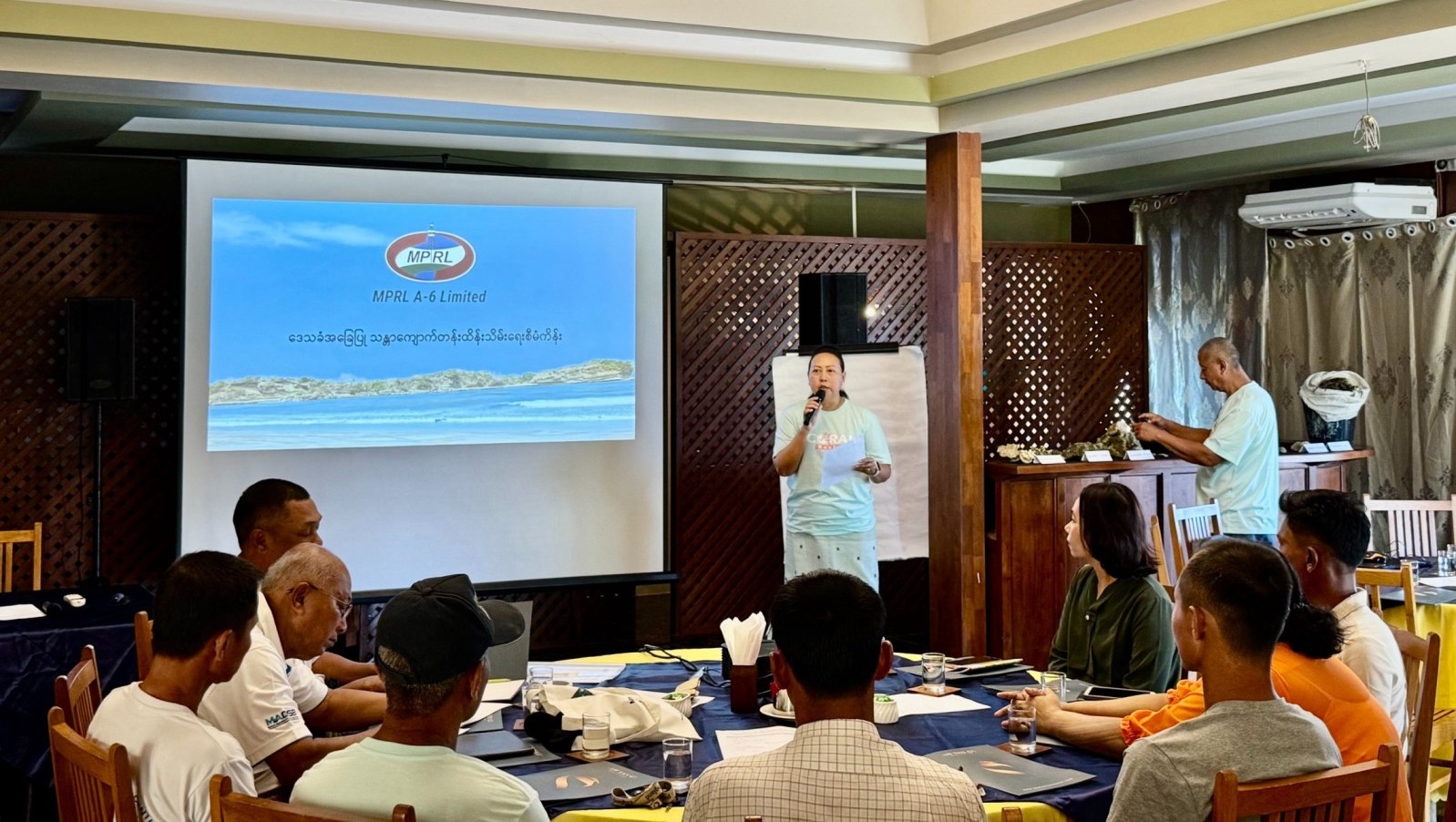
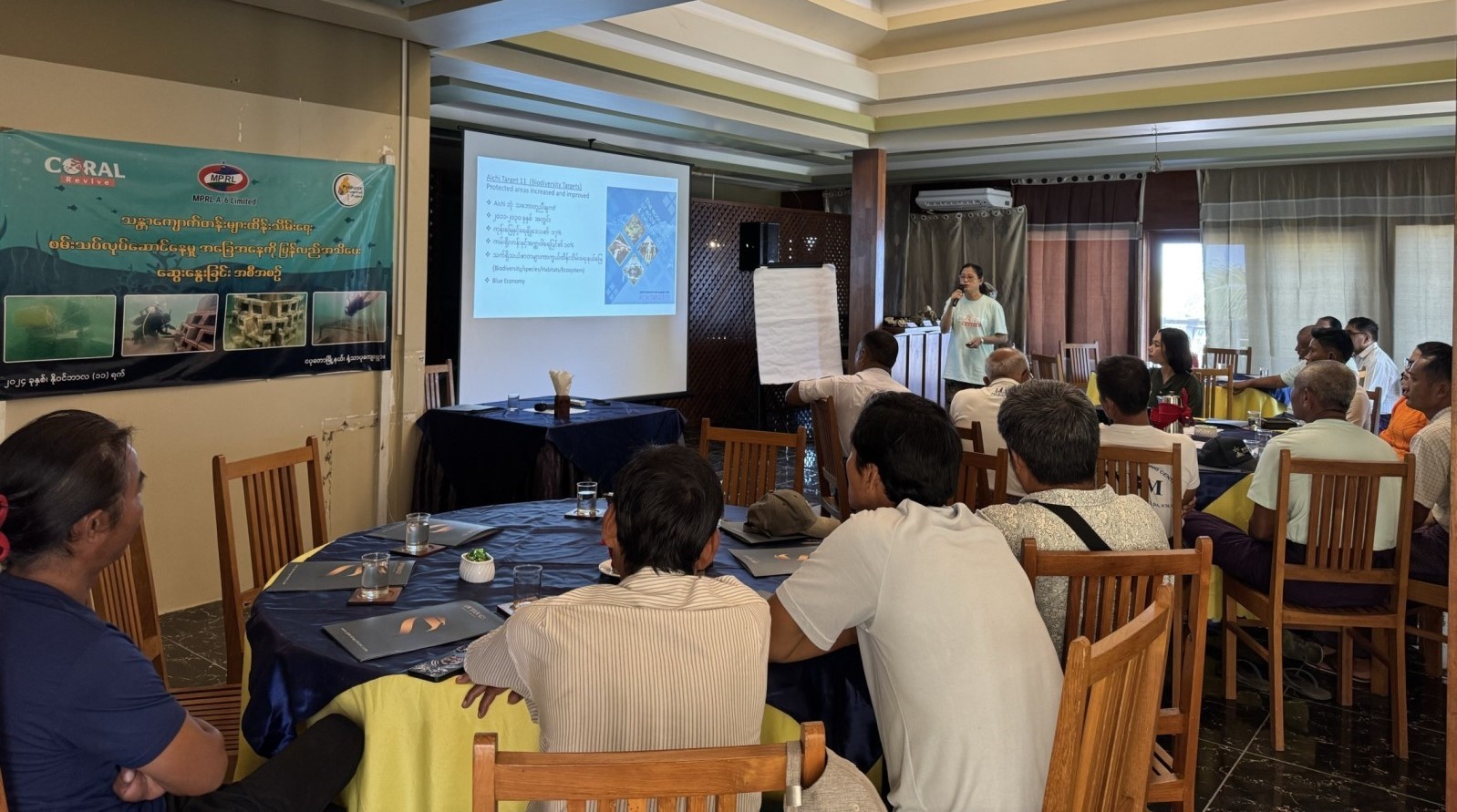
On 11 November 2024, the PIP CSR Team hosted a project status review and stakeholder workshop at Gaw Yan Gyi Hotel. The session was attended by 29 participants, including local authorities, fishermen leaders, community members, and the Coral Revive Team. The workshop provided an opportunity to evaluate project progress, share insights, and discuss future conservation strategies. Key presentations included updates on the Coral Revive Project, the importance of community participation in conservation, and inspiring field stories from marine experts. The event concluded with interactive discussions, a Q&A session, and a collective pledge to continue conservation efforts.
Community Action Day highlighted the PIP CSR Program’s dedication to environmental stewardship and sustainable marine conservation. By uniting local stakeholders around practical conservation solutions, this initiative has laid the groundwork for sustained coral reef protection and is paving the way for scalable conservation strategies across Myanmar, offering hope for the country’s fragile marine ecosystems.
Coral Revive: Restoring Reefs, Preserving Biodiversity
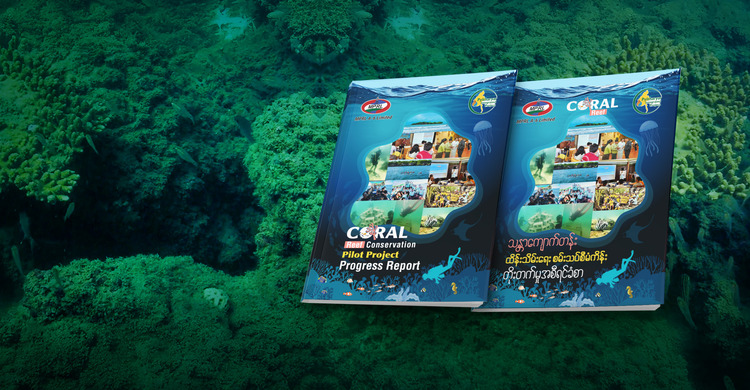
MPRL A-6 Limited is pleased to announce the release of a progress report detailing the achievements of our coral reef conservation pilot project, “Coral Revive,” conducted from April to November 2024 in the Ayeyarwady Region. This project, undertaken as part of our Pyitharyar Integrated Project (PIP) CSR Program, demonstrates our commitment to environmental sustainability and marine conservation.
Read moreCoral Revive: Restoring Reefs, Preserving Biodiversity MPRL A-6 Limited is pleased to announce the release of a progress report detailing the achievements of our coral reef conservation pilot project, “Coral Revive,” conducted from April to November 2024 in the Ayeyarwady Region. This project, undertaken as part of our Pyitharyar Integrated Project (PIP) CSR Program, demonstrates our commitment to environmental sustainability and marine conservation.
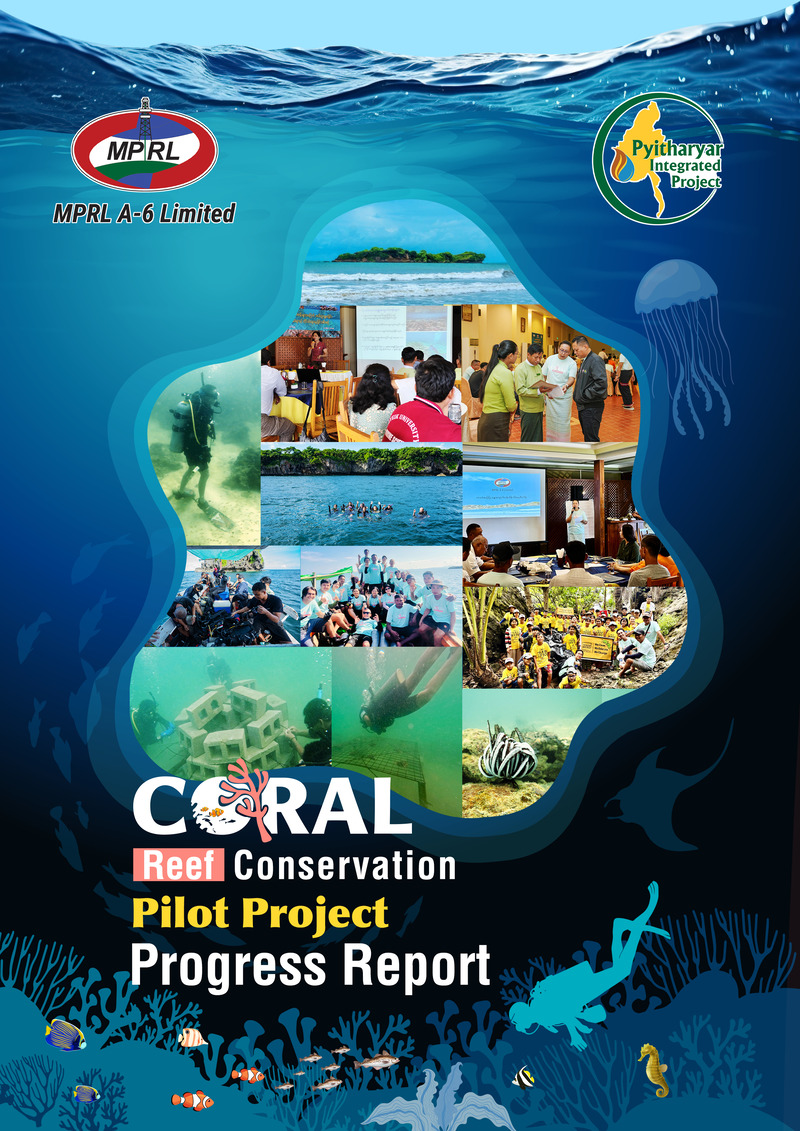
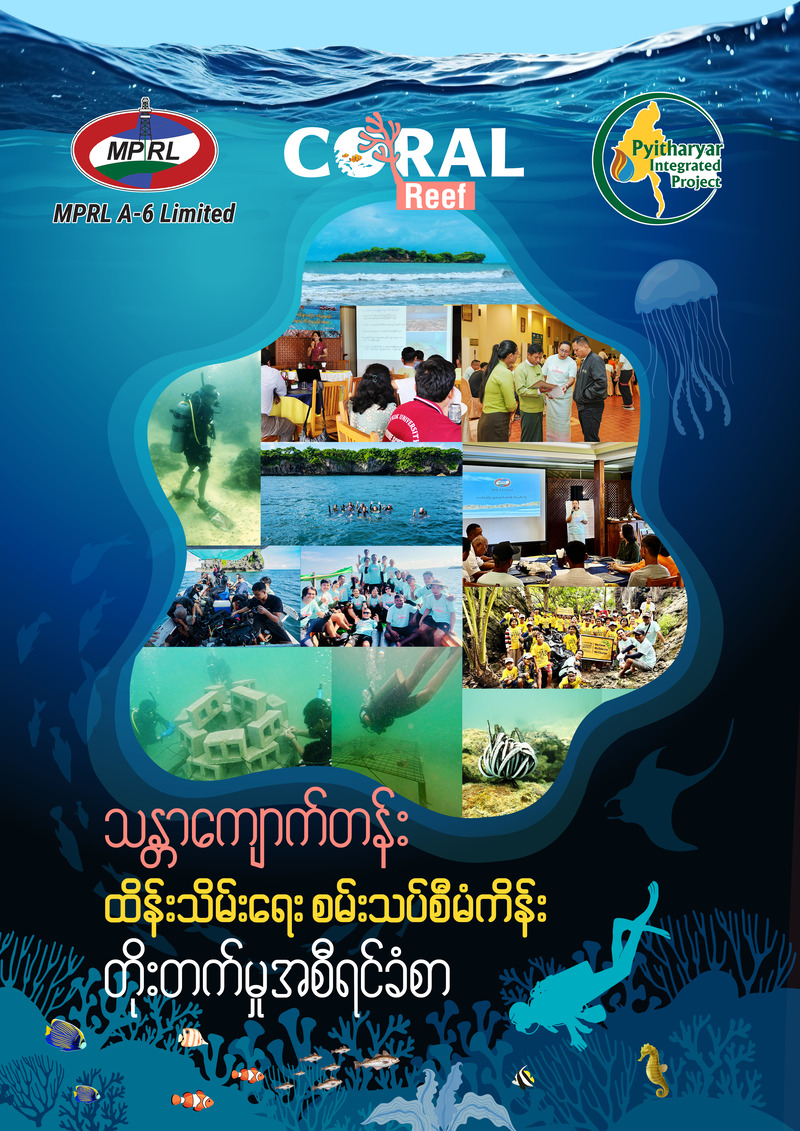
The report highlights the successful collaboration between MPRL A-6, government agencies, local communities, and marine experts. This collective effort has focused on restoring coral reefs and preserving biodiversity around Sabahtar Island, Nga Yoke Kaung Town, in the Ayeyarwady Region. Key initiatives undertaken during this period include:
- Test launch of artificial reefs and coral nursery structures: These innovative approaches aim to enhance coral growth and resilience.
- Community outreach and awareness programs: These programs educate local communities about the importance of coral reefs and encourage their active participation in conservation efforts.
The progress report also openly addresses the challenges encountered during the pilot phase. These challenges have been analyzed, and the report outlines strategies for overcoming them effectively.
We remain steadfast in our commitment to expanding marine conservation efforts and fostering sustainable partnerships. We believe that by working together with all stakeholders, we can effectively protect and preserve Myanmar’s valuable marine resources for future generations.
Test Launch of Artificial Reefs and Coral Nurseries to Revive Marine Life
A landmark coral reef conservation project came to life near Sabahtar Island, Nga Yoke Kaung Town, as part of the MPRL A-6 PIP Corporate Social Responsibility (CSR) Program. In collaboration with the marine expert Dr. Cherry Aung from Myeik University and nine divers—including local volunteers and experienced professionals—the PIP CSR Team launched a test project for artificial reefs and coral nurseries to revive marine life in the waters surrounding the island.
Read moreTest Launch of Artificial Reefs and Coral Nurseries to Revive Marine Life A landmark coral reef conservation project came to life near Sabahtar Island, Nga Yoke Kaung Town, as part of the MPRL A-6 PIP Corporate Social Responsibility (CSR) Program. In collaboration with the marine expert Dr. Cherry Aung from Myeik University and nine divers—including local volunteers and experienced professionals—the PIP CSR Team launched a test project for artificial reefs and coral nurseries to revive marine life in the waters surrounding the island.
The journey began on 12 October 2024, with the PIP CSR Team conducting land-based tests on the artificial reef and coral nursery structures. The air was filled with anticipation as each structure was carefully examined to ensure readiness for underwater deployment. The team finalized transportation logistics, ensuring everything was prepared for the next phase of the project.
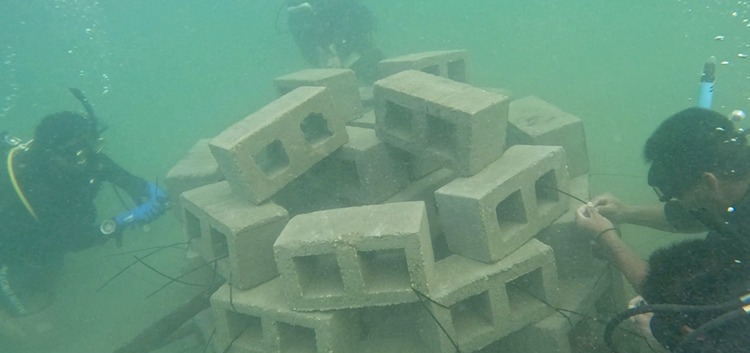
Each artificial reef was constructed in a pyramid shape using 46 concrete blocks. These blocks, each weighing 23 kilograms and measuring 16 inches long, 8 inches wide, and 8 inches high, were assembled to form towering underwater habitats. In total, 184 blocks were used to build four structures, each standing 3.5 feet tall and 6 feet wide.
Local welders and masons played a vital role in creating the coral nurseries. They crafted sturdy frames with a 5-foot diameter, using thick iron rods, 50-kilogram concrete posts, and metal connectors. These frames will later hold coral fragments, promoting regeneration and reviving the reefs in the area.
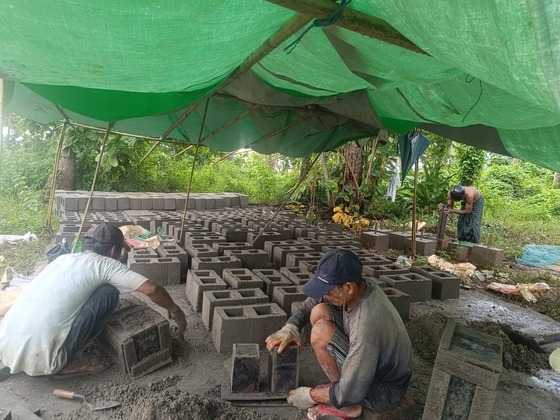
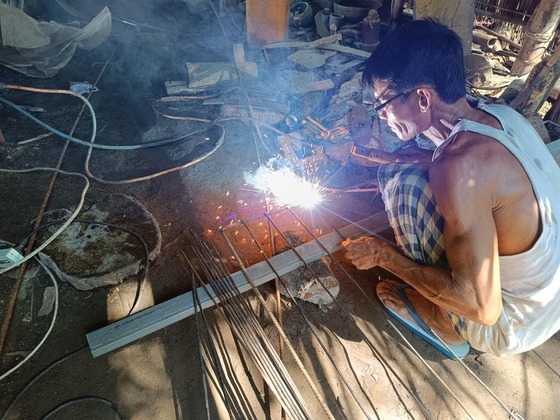
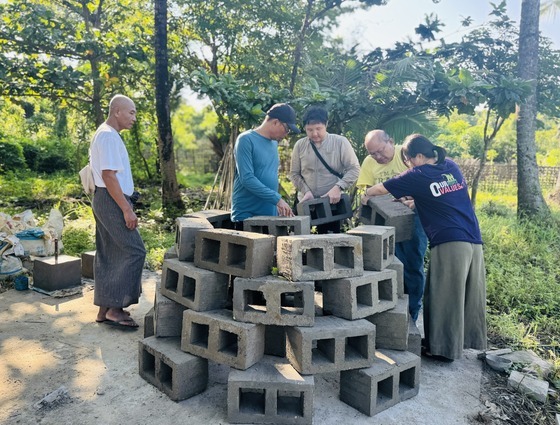
In the morning of 13 October 2024, the Project Team loaded the concrete blocks onto a boat bound for Sabahtar Island. Divers prepared to descend while experts demonstrated the use of localized lift bags to transport the heavy blocks into place underwater.
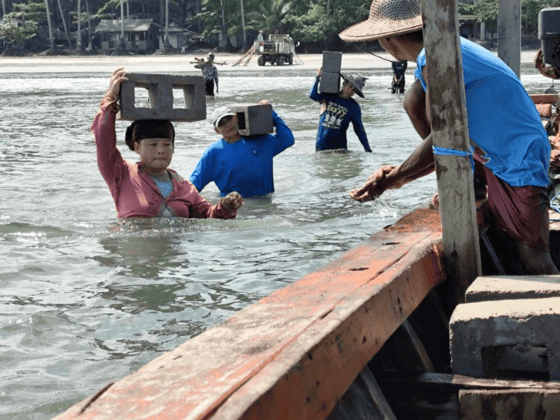
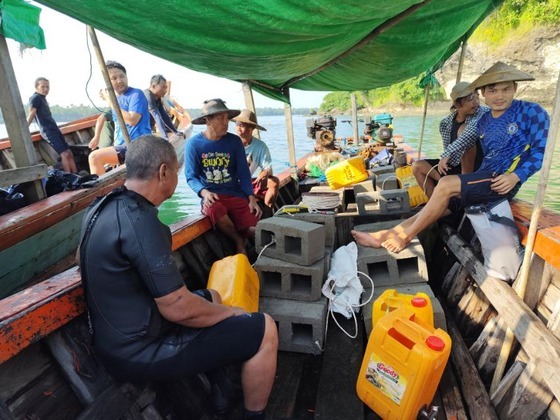
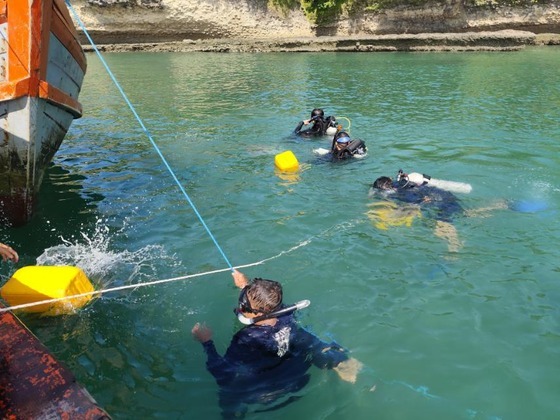
As the divers submerged, the first three artificial reef structures were successfully deployed. Suspended by lift bags, the concrete blocks were carefully lowered to the seafloor. These reefs, designed to serve as breeding grounds for marine life, were positioned in areas carefully chosen to enhance the local ecosystem.
On 14 October 2024, the Project Team deployed the final artificial reef structure along with two coral nurseries. Coral fragments from nearby reefs were collected, sorted, and attached to the nursery frames. These fragments will soon grow and help restore damaged coral populations, contributing to the area’s ecological balance.
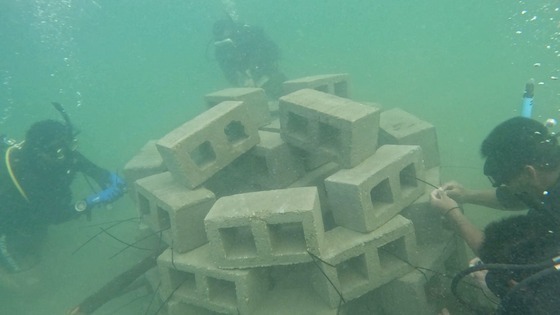
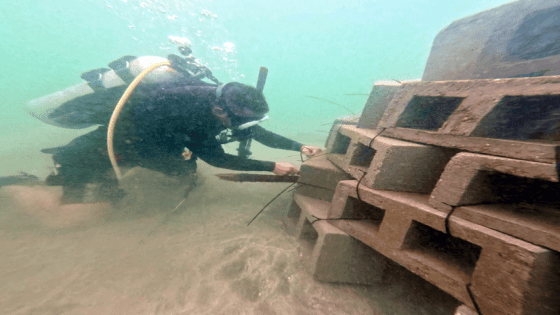
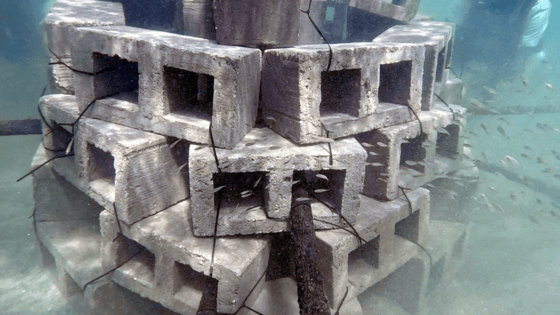
The team used localized lift bags to position the concrete blocks and coral nursery frames securely underwater. Ropes and weights anchored the structures, ensuring their stability. Floating buoys and signal lights were installed to warn passing boats, protecting the newly formed marine habitats.
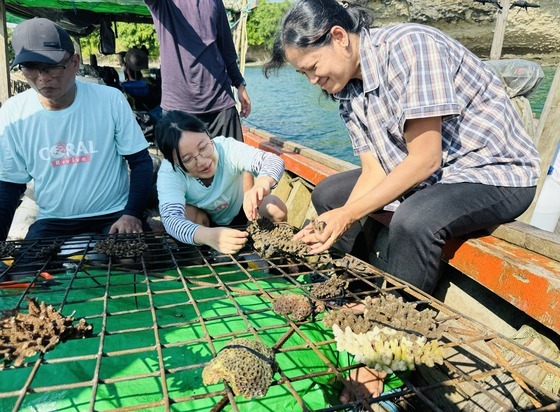
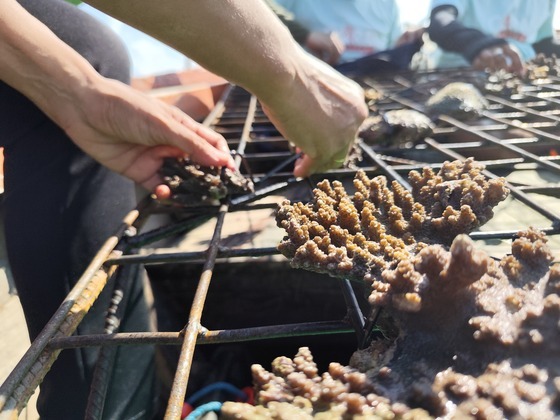
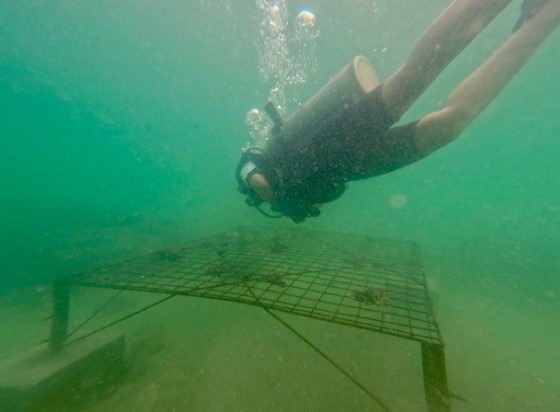
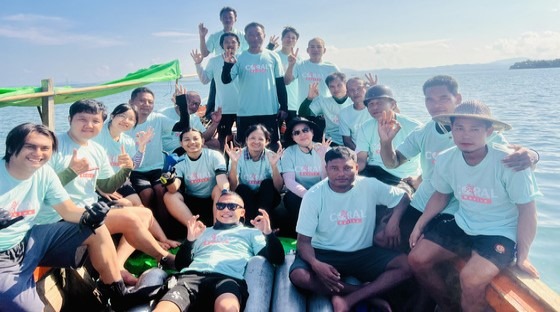
With all four artificial reefs and two coral nurseries in place, the Project Team gathered for a commemorative group photo, marking the culmination of months of preparation and hard work. The PIP CSR Program’s successful test launch created new breeding grounds for marine life, marking a significant step toward restoring and enhancing the marine ecosystem in the Gaw Yan Gyi area.
This test launch not only provides a safe space for marine organisms to thrive but also demonstrates the power of collaborative conservation efforts. It paves the way for future marine restoration projects, offering hope for the revitalization of coral ecosystems in the region.
Coral Conservation Efforts Expand in Ngwe Saung with Awareness Event and Coral Assessment
As coral reefs face increasing threats from climate change, pollution, overfishing, and destructive human activities, the need for conservation has become more urgent than ever. Recognizing this challenge, the MPRL A-6 Pyitharyar Integrated Project (PIP) Corporate Social Responsibility (CSR) Program launched the “Coral Revive” initiative in April 2024 at Gaw Yan Gyi Island in the Ayeyarwady Region. After the pilot project’s success, the initiative expanded to Ngwe Saung in September 2024.
Read moreCoral Conservation Efforts Expand in Ngwe Saung with Awareness Event and Coral Assessment As coral reefs face increasing threats from climate change, pollution, overfishing, and destructive human activities, the need for conservation has become more urgent than ever. Recognizing this challenge, the MPRL A-6 Pyitharyar Integrated Project (PIP) Corporate Social Responsibility (CSR) Program launched the “Coral Revive” initiative in April 2024 at Gaw Yan Gyi Island in the Ayeyarwady Region. After the pilot project’s success, the initiative expanded to Ngwe Saung in September 2024.
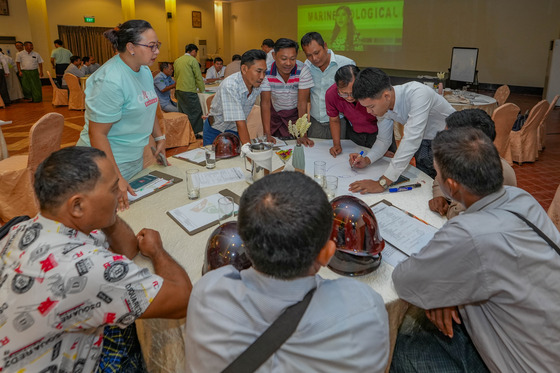
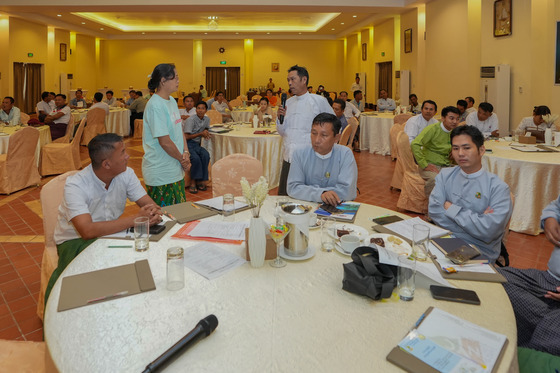
On 28 September 2024, the PIP CSR Program held a coral reef awareness event at Ngwe Saung Yacht Club & Resort (NSYC), attracting 80 attendees. The event brought together a diverse group of stakeholders, including government officials from Ngwe Saung General Administration Department (GAD), Directorate of Hotels and Tourism, Department of Fisheries, Environmental Conservation Department, and Forest Department. Academics from Marine Science Departments of Myeik and Pathein Universities, along with community members, hoteliers, diving and tour operators, speedboat association members, and local fishermen leaders, were also present. Diving experts and volunteer divers from the Gaw Yan Gyi Coral Reef Conservation Group joined the PIP CSR Team for the occasion.
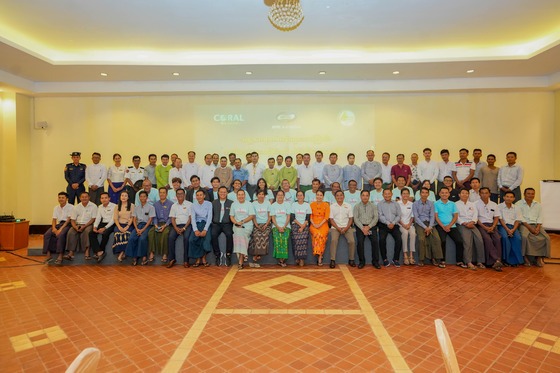
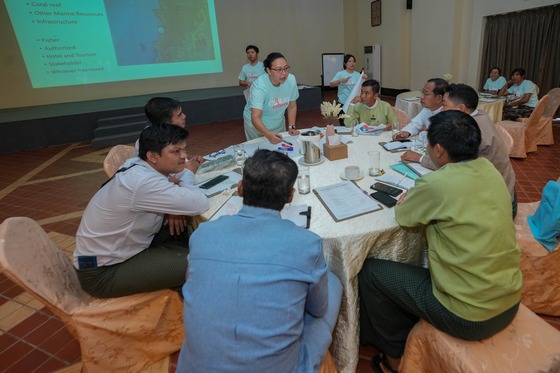
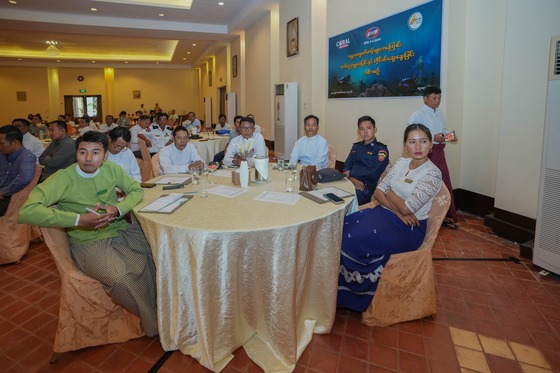
The event featured a series of presentations aimed at raising awareness of the crucial role coral reefs play in maintaining marine biodiversity and supporting local livelihoods. Daw Wit Hmone Tin Latt, Head of Corporate Sustainability for the PIP CSR Program, delivered the welcome speech, followed by the opening remarks from U Thein Zaw, Township Administrator of the Ngwe Saung GAD.
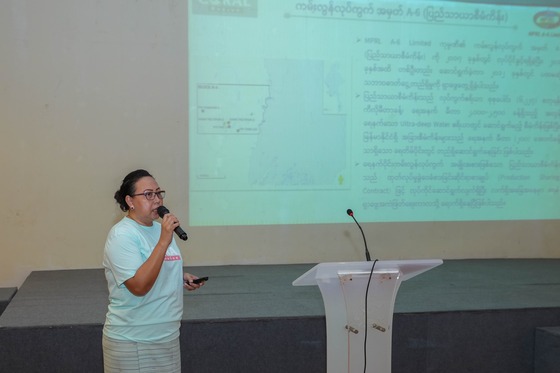
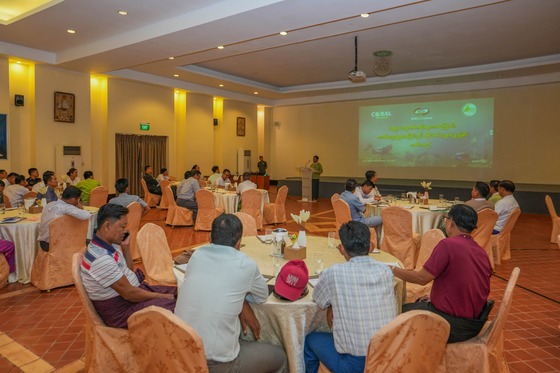
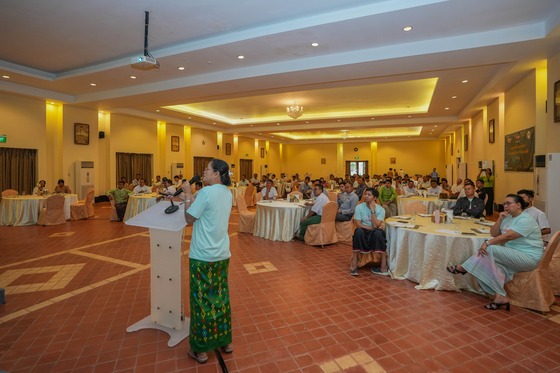
Two keynote presentations were given during the event. Dr. Cherry Aung, Professor and Head of Marine Science Department at Myeik University, discussed the significance of coastal resources, with a particular focus on coral reefs. Dr. Khin May Chit Maung, Associate Professor of Marine Science Department at Pathein University, followed with a presentation on sustainable marine fisheries. U Myo Zaw Oo, Assistant Manager of Government Relations at PIP, concluded the event with the closing remarks.
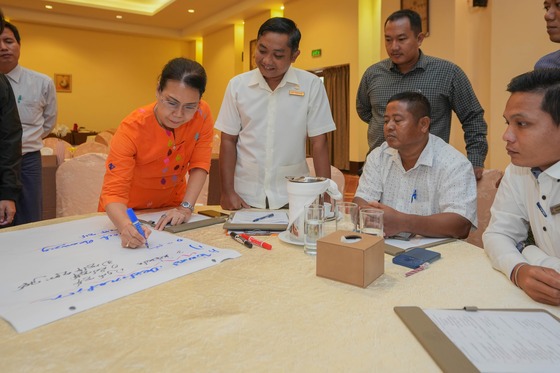
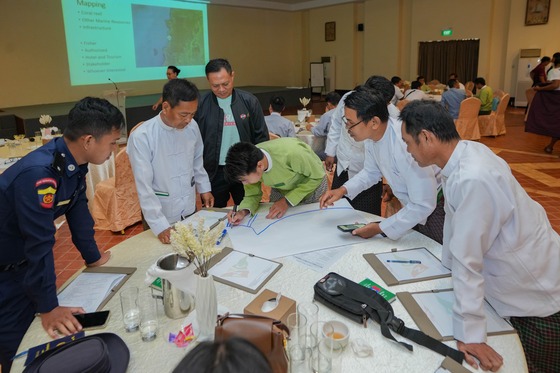
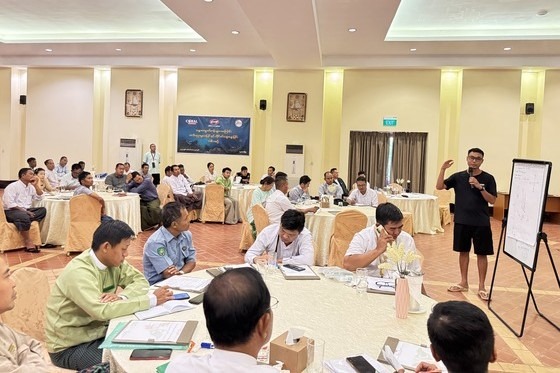
In addition to the presentations, attendees participated in hands-on activities, including coral mapping exercises, brainstorming sessions on local conservation initiatives, and Q&A discussions. The enthusiastic response from participants highlighted a shared commitment to marine conservation and the potential for collaboration to protect coral reefs.
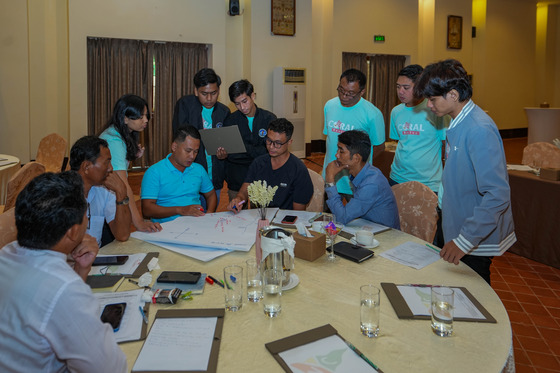
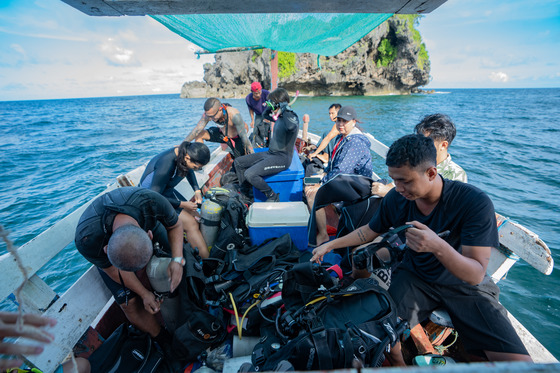
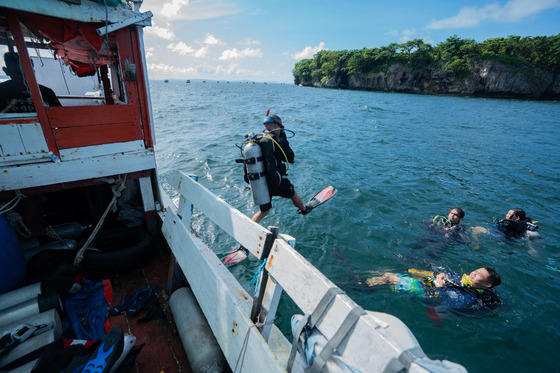
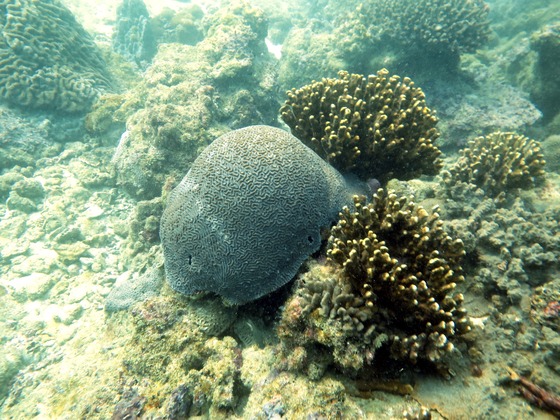
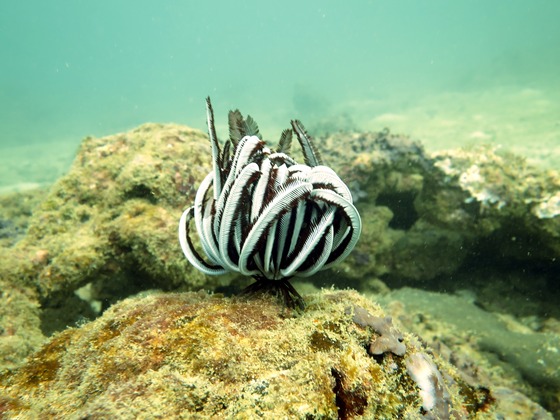
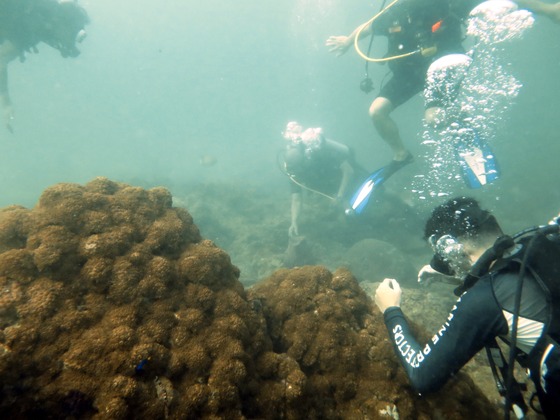
The following day, on 29 September 2024, the PIP CSR Team, along with divers from the Myanmar Dive Center and marine experts, conducted coral inspection and assessment activities near Kyun-Lyar-Shay and Bird Islands in Ngwe Saung. The assessments aimed to evaluate the current condition of the reefs and gather data for future conservation efforts.
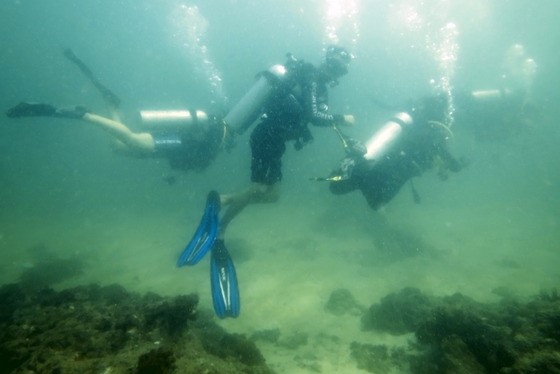
The “Coral Revive” project, now expanded to new areas like Ngwe Saung, exemplifies the PIP CSR Program’s dedication to preserving Myanmar’s fragile coral ecosystems. Through continued collaboration among government agencies, academic institutions, local communities, and private sector partners, the PIP CSR Program aims to ensure the long-term sustainability of these vital ecosystems for future generations.
Township Administrator
Ngwe Saung General Administration Department
This coral reef awareness event at Ngwe Saung is a valuable opportunity for our community. We know there are coral reefs near Ngwe Saung beach, as well as around Kyun-Lyar-Shay and Bird Islands. The Professors from Marine Science Departments have given us a thorough explanation of these reefs, the causes of their destruction, and why conservation is so important. I believe this event is truly beneficial for us.We hope that the coral conservation effort under the MPRL A-6 PIP CSR Program will bring significant benefits to the Ayeyarwady Region. It has the potential to boost tourism, increase foreign income, and improve the livelihoods of our local community through tourism development. Moreover, it will help ensure the sustainability of our environment and marine ecosystem.
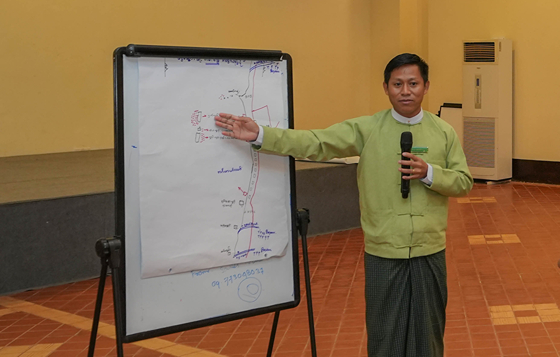
For coral reef conservation to succeed, we need a commitment to act, the right knowledge and expertise, and sufficient resources—both human and financial. Since MPRL A-6 is leading this project, we believe they meet these requirements. We, the government agencies, warmly welcome this coral conservation initiative led by the MPRL A-6 PIP CSR Program. We are confident that if the local community gains enough awareness and knowledge, they will actively participate in these conservation efforts. The Ngwe Saung government bodies and local communities stand ready to collaborate fully in this conservation effort.”
Professor and Head of Marine Science Department
Myeik University
Implementing the coral reef conservation project has been a dream of mine for many years. Our Marine Science Department started working on this after numerous discussions with MPRL A-6 company and the project finally began in 2023. The collaboration with MPRL A-6 has allowed us to meet various needs and strike a balanced approach, which I believe has significantly increased our chances of success.For this project to succeed, a solid strategy and the right technology are crucial. As a marine scientist, I have been supporting the project by developing the strategy, providing technical assistance, and conducting awareness activities to encourage local community participation. Our goal is to enhance the local marine environment and coral reef systems, creating better habitats for marine life, expanding the food chain, and increasing biodiversity. There is also great potential to boost nature-based tourism in the area.
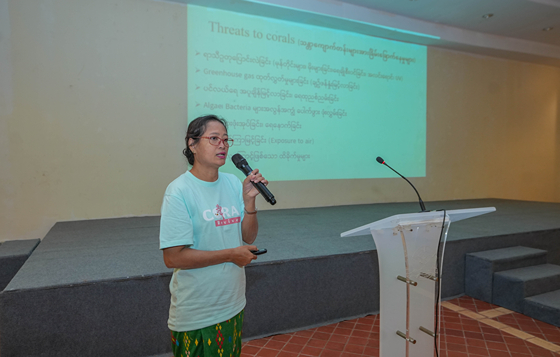
I have seen locally managed conservation zones succeed in other countries, and I hope we can follow their example and expand coastal resource conservation here as well. By working together with MPRL A-6 on coral reef conservation, we aim to establish international-level coastal resource conservation groups and expert teams that will ensure sustainability. I believe that great achievements often start with small efforts. I am confident that this coral reef conservation initiative, though it may be small now, will one day become a nationally recognized effort that we can all be proud of.”
Saving the Rainforests of the Sea: A New Initiative to Protect Coral Reefs
As the global population climbs to an estimated 8.2 billion, the demand on our planet’s natural resources is more intense than ever. This milestone urges a deep reflection on human activities and their effects on the environment, raising the question of how long Earth can sustain such pressures. While much attention has been directed toward conserving terrestrial environments like rainforests, there is a growing need to address the conservation of their aquatic counterparts—coral reefs, often dubbed the “rainforests of the sea.”
Read moreSaving the Rainforests of the Sea: A New Initiative to Protect Coral Reefs As the global population climbs to an estimated 8.2 billion, the demand on our planet’s natural resources is more intense than ever. This milestone urges a deep reflection on human activities and their effects on the environment, raising the question of how long Earth can sustain such pressures. While much attention has been directed toward conserving terrestrial environments like rainforests, there is a growing need to address the conservation of their aquatic counterparts—coral reefs, often dubbed the “rainforests of the sea.”
Coral reefs, despite covering just 0.1 percent of the ocean floor, are home to approximately 25 percent of all marine species. These ecosystems provide habitat, food, and breeding grounds for millions of marine organisms, supporting around a quarter of the world’s fish populations. Their significance is often compared to that of rainforests on land, which are equally rich in biodiversity and vital to the planet’s health.
The World Wildlife Fund (WWF) and the National Oceanic and Atmospheric Administration (NOAA) highlight the unparalleled diversity of life that coral reefs sustain. Hosting nearly a quarter of all ocean species, coral reefs are the most diverse habitats on Earth, providing sanctuary for countless species including fish, crabs, clams, starfish, squid, sponges, lobsters, seahorses, and sea turtles. According to the WWF, the economic and ecological benefits of these ecosystems are immense, contributing an estimated £300 billion annually to the global economy by protecting coastlines, supporting tourism, and providing food and livelihoods for millions of people.
In Myanmar, coral reefs are a keystone of the country’s fishing industry and an essential component of its marine biodiversity. The health of Myanmar’s coral reefs is directly linked to the sustainability of its marine fisheries, which are vital for the livelihoods of coastal communities. Moreover, these ecosystems support maritime tourism activities like snorkeling and scuba diving.
Myanmar boasts a coastline stretching over 2,800 km, divided into three main regions: the upper Rakhine Coast, the middle Ayeyarwady Coast, and the lower Tanintharyi Coast, all renowned for their rich coral reefs. The Myeik Archipelago, located off the Tanintharyi Coast, is renowned for its stunning coral reefs, which boast more than 500 recorded species. This biodiversity hotspot has been proposed as a UNESCO World Heritage Site and is part of Myanmar’s broader efforts to establish Marine Protected Areas (MPAs).
Despite their importance, coral reefs in Myanmar are facing severe threats. According to the International Coral Reef Initiative (ICRI), Myanmar’s coral reefs have declined by more than 56 percent, primarily due to the combined effects of climate change, destructive fishing practices, and unregulated resource extraction.
The Gaw Yan Gyi area in the Ayeyarwady Region is one such area where coral reefs are under threat. Known for its vibrant marine life, this area is also in urgent need of conservation efforts to preserve its rich coral ecosystems. Recognizing this need, MPRL A-6 Pyitharyar Integrated Project (PIP) CSR Program has embarked on a crucial initiative to protect Myanmar’s coral reefs. In 2023, the CSR Program launched a coral reef conservation pilot project named “Coral Revive” in the Gaw Yan Gyi area, near the proposed offshore Pyitharyar Integrated Project (PIP).
The pilot project began with a series of stakeholder engagement activities aimed at assessing the current state of coral reefs in the Gaw Yan Gyi area and identifying the causes of coral degradation. The CSR Team conducted extensive engagement activities before the project began, gathering insights from local fishermen, community leaders, civil society organizations, and tourism operators. These discussions highlighted several key themes, including the presence of numerous coral reefs in shallow waters near the project area, the causes of coral reef destruction, the lack of knowledge about coral conservation, and the challenges and opportunities for preserving these ecosystems.
One of the project’s cornerstone initiatives is the establishment of a locally managed coral reef conservation area around Sabahtar Island, near Gaw Yan Gyi Island. Set to run from 2024 to 2026, this two-year project aims to engage the local community in the conservation efforts, fostering a sense of ownership and responsibility for the protection of their natural resources.
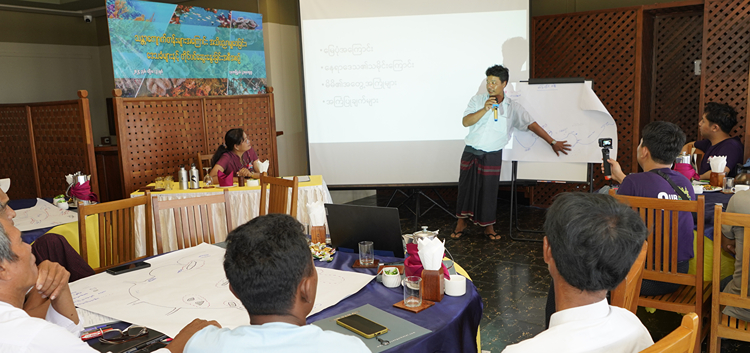
On 03 April 2024, the project began with a Birds of a Feather (BoF) session, which served as both an information exchange and a workshop on coral reef conservation. The session was well-attended, with 40 participants, including members of the CSR Team, marine experts led by Dr. Cherry Aung, the Professor of Marine Science Department at Myeik University, and local stakeholders such as government representatives, fishermen, and community leaders.
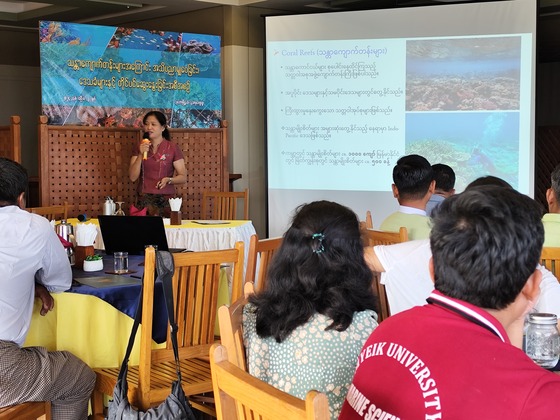
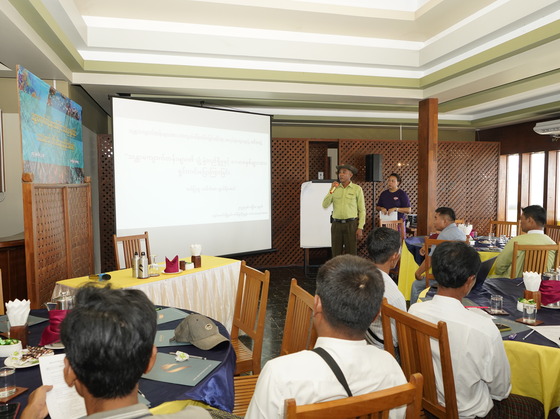
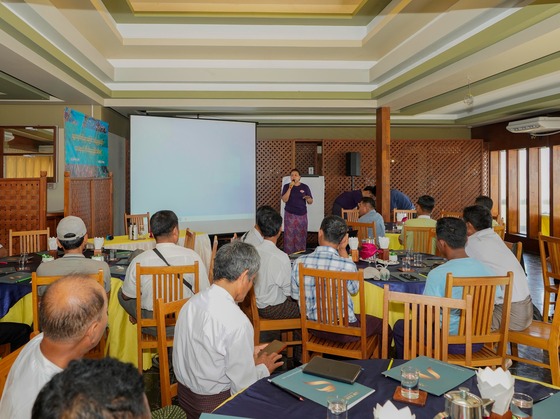
The BoF session conducted a socioeconomic assessment survey of the coral reefs at Gaw Yan Gyi, which aimed to gain insights into the community’s perceptions, livelihoods, and resource management practices related to the coral reef ecosystem. The findings from this survey are expected to guide future conservation efforts and sustainable development initiatives in the area. The session also facilitated discussions with local stakeholders, leading to the development of a coral reef mapping initiative involving community members.
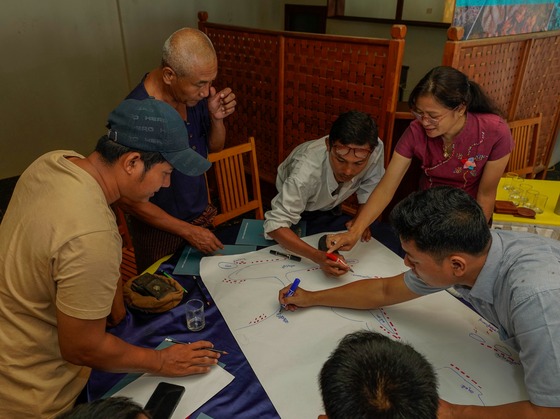
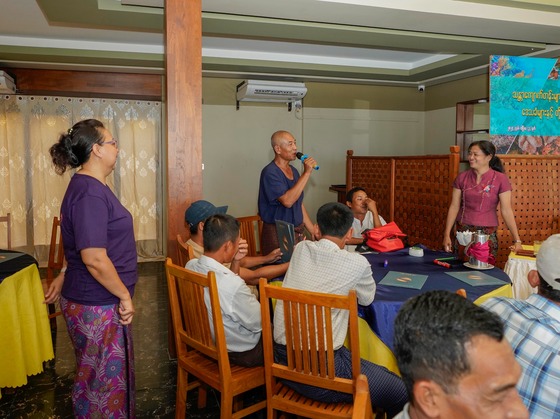
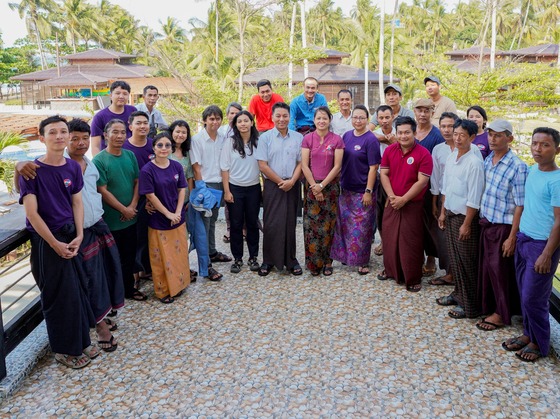
The day after the BoF session, the CSR Team coordinated a diving survey to further investigate and map the coral sites. This effort was crucial for establishing a foundation for targeted conservation initiatives. The surveys were designed to pinpoint the most at-risk areas and develop strategic approaches for their protection.
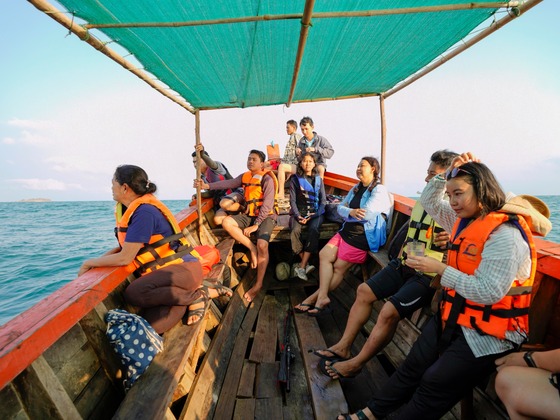
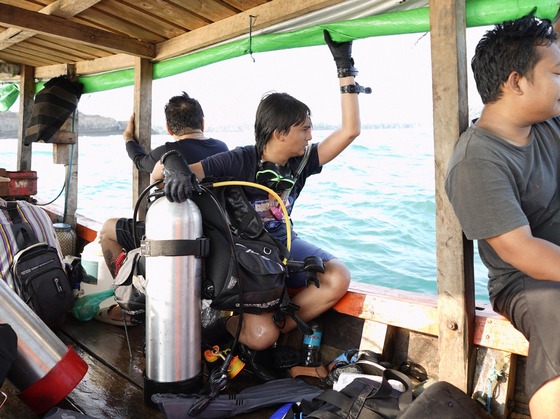
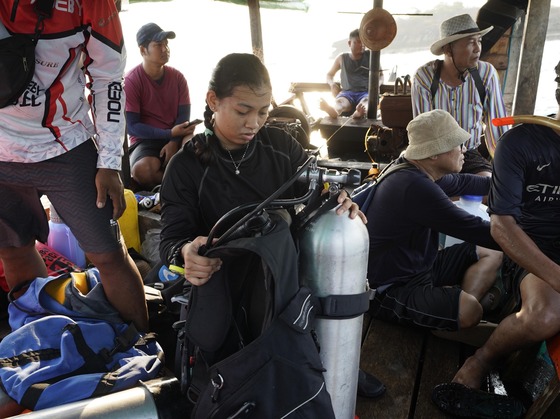
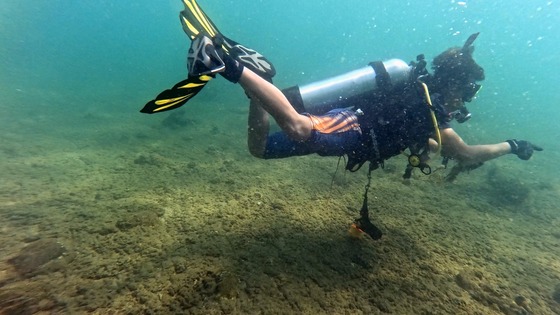
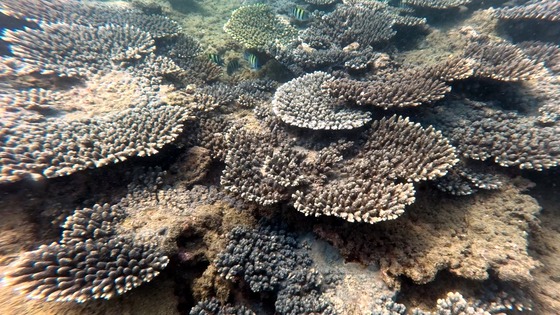
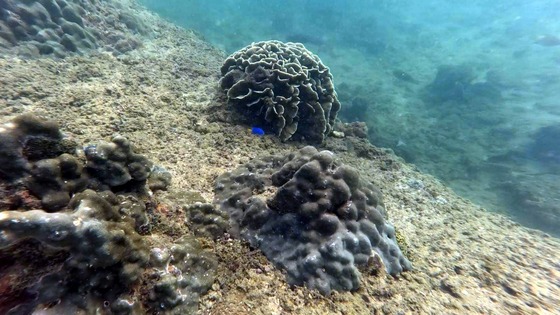
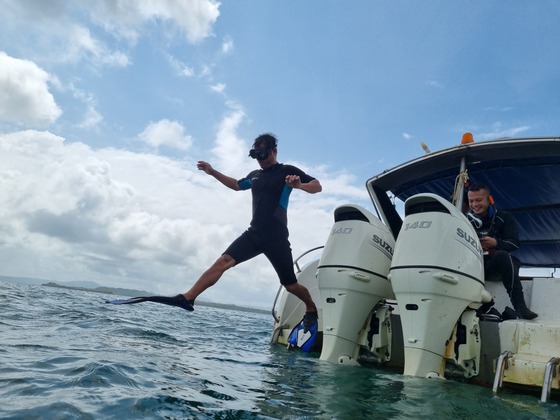
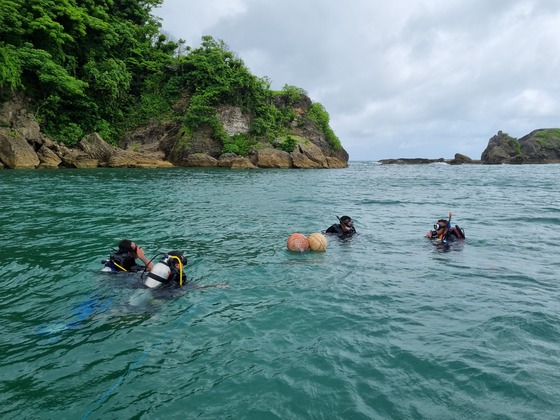
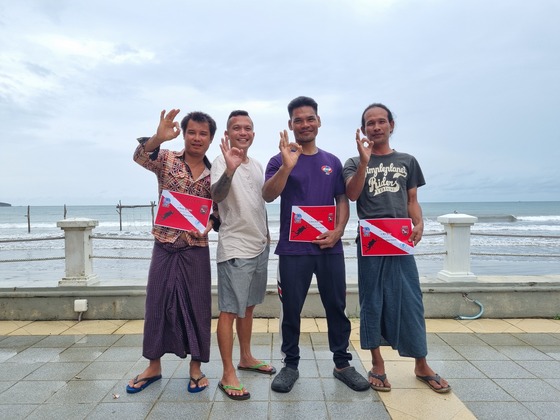
In July 2024, MPRL A-6 PIP CSR Program conducted a three-day diving training session for local volunteers as part of the coral reef conservation pilot project. Led by an experienced coach, the training focused on equipping participants with the necessary skills for safe and effective underwater conservation work. The curriculum included both theoretical and practical aspects of diving, with a strong focus on safety and the use of modern diving equipment.
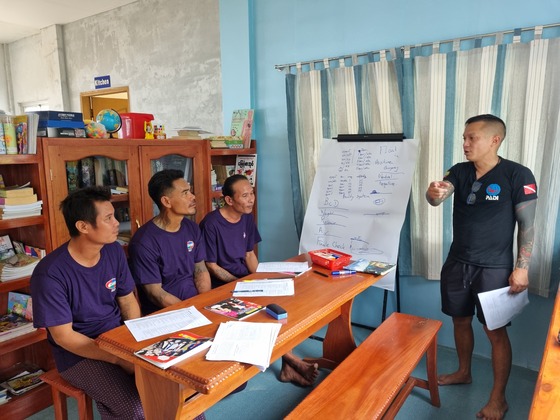
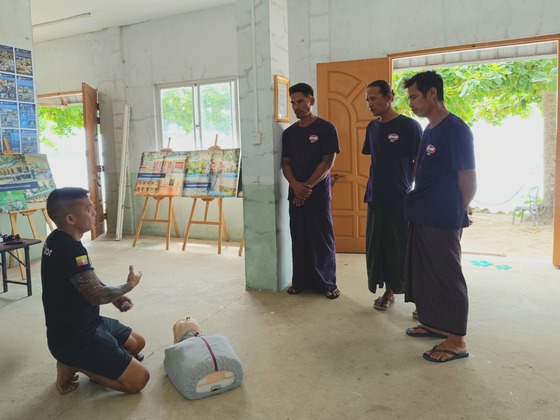
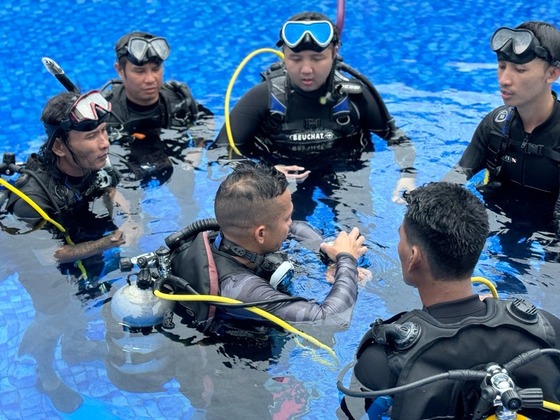
Trainees, many of whom had previously used riskier compressor-based diving methods, gained valuable new skills that not only improved their safety but also empowered them to actively contribute to the conservation pilot project. As local fishermen, they recognized the critical role of coral reefs in sustaining their livelihoods and expressed strong commitment to the project’s success. This training not only enhanced their diving abilities but also fostered a sense of ownership and responsibility toward protecting their local marine environment.
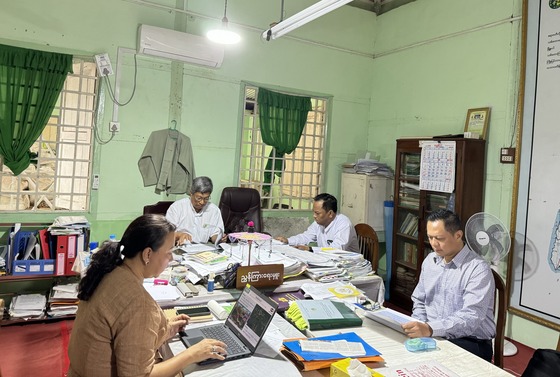
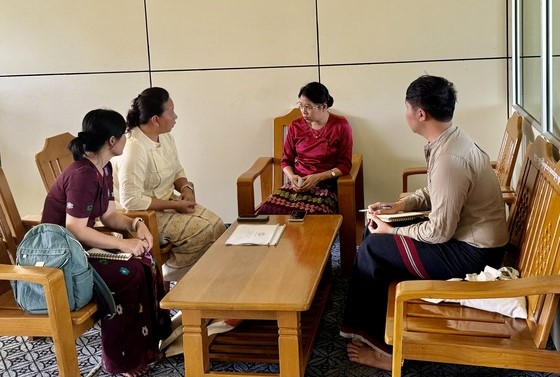
The coral reef conservation pilot project in Gaw Yan Gyi is just the beginning of a broader effort to protect Myanmar’s marine ecosystems. In July 2024, the CSR Team held a series of meetings with the officials from the Forest Department, the Department of Fishery, the Environmental Conservation Department, and the Directorate of Hotels and Tourism at the Pathein Office. These discussions aimed to align conservation efforts with broader regional plans, including the development of diving sites and other locally managed marine areas.
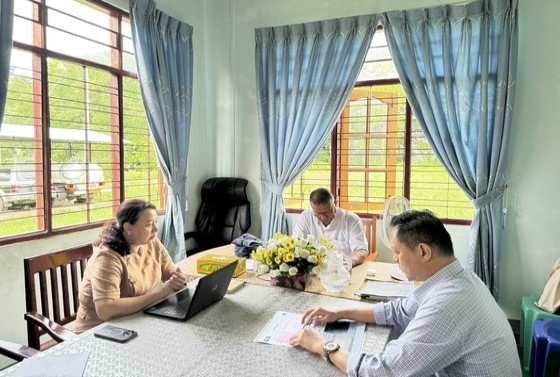
On 23 July 2024, the CSR Team presented the coral reef conservation pilot project to the Chief Minister of the Ayeyarwady Region, detailing the activities undertaken so far and seeking official consent and guidance for the project. A concept proposal of the locally managed coral reef conservation area was subsequently submitted to the Chief Minister on 07 August 2024, following thorough discussions with the project team members and consultations with relevant government departments and community groups.
The coral reef conservation pilot project at Gaw Yan Gyi Island represents a significant effort to preserve Myanmar’s marine biodiversity. With the success of this project, MPRL A-6 PIP CSR Program hopes to extend its scope to other areas, such as Ngwe Saung in the Ayeyarwady Region. As the project progresses, it will serve as a model for other conservation efforts in the region.
Through continued collaboration and community involvement, MPRL A-6 PIP CSR Program is laying the groundwork for a future where Myanmar’s coral reefs can thrive, supporting both marine life and the livelihoods of those who depend on these vital ecosystems. Coral reefs, the “rainforests of the sea,” are vital to our oceans and our planet—preserving them is a responsibility we all share.
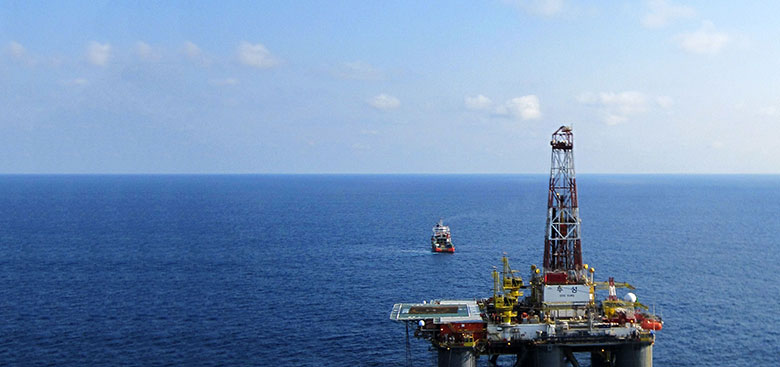
MPRL E&P’s Pyi Thar Gas Discovery – Realizing the Vision for Long-Term Sustainable Energy in Myanmar
How a small independent embraced the challenges of exploring frontier waters in a harsh business environment and made a momentous basin-opening gas discovery
Read moreMPRL E&P’s Pyi Thar Gas Discovery – Realizing the Vision for Long-Term Sustainable Energy in Myanmar How a small independent embraced the challenges of exploring frontier waters in a harsh business environment and made a momentous basin-opening gas discovery
In 2007, MPRL E&P was awarded the rights to explore Block A-6 located offshore in the Western Ayeyarwady coastal region in the Bay of Bengal. MPRL E&P undertook extensive geological field studies all along the coast of the Myanmar Bay of Bengal south of Sittwe, lining up a total of more than 400 days of geologists’ observations in expeditions and laboratory studies.
In 2009, MPRL E&P undertook to shoot more than 2,000 km of modern 2D seismic lines, including in ultra-deep waters, even knowing the company would never had the means of drilling in such depths. This 2D seismic was acquired to look for hints of deposits of gas similar to those discovered in areas such as in the deep waters of India on the other side of the Bay of Bengal, and with a vision that some partner with deep pockets would be able to invest in this expensive exploration game.
Having mapped some interesting teasers, MPRL E&P acquired the first ever exploration 3D seismic survey of the southern Western Ayeyarwady Basin, which threw light on exciting gas-telling features in the form of stacked bright seismic amplitude anomalies known by geologists as “bright spots”.
At this point MPRL E&P searched for investors to fund the drilling of the committed exploration well. Most of the initially interested companies expressed doubts that reservoir sands could be deposited in this environment, arguing that the results of wells drilled in the 1970’s were rather grim, with little sniffs of gas in elusive sandstones.
State enterprise MOGE meanwhile allowed for an extension of the initial exploration period at the condition of drilling two wells instead of one, at which point MPRL E&P obtained that this second well would be intentionally deviated from the original hole as a sidetrack, thereby saving substantial drilling costs.
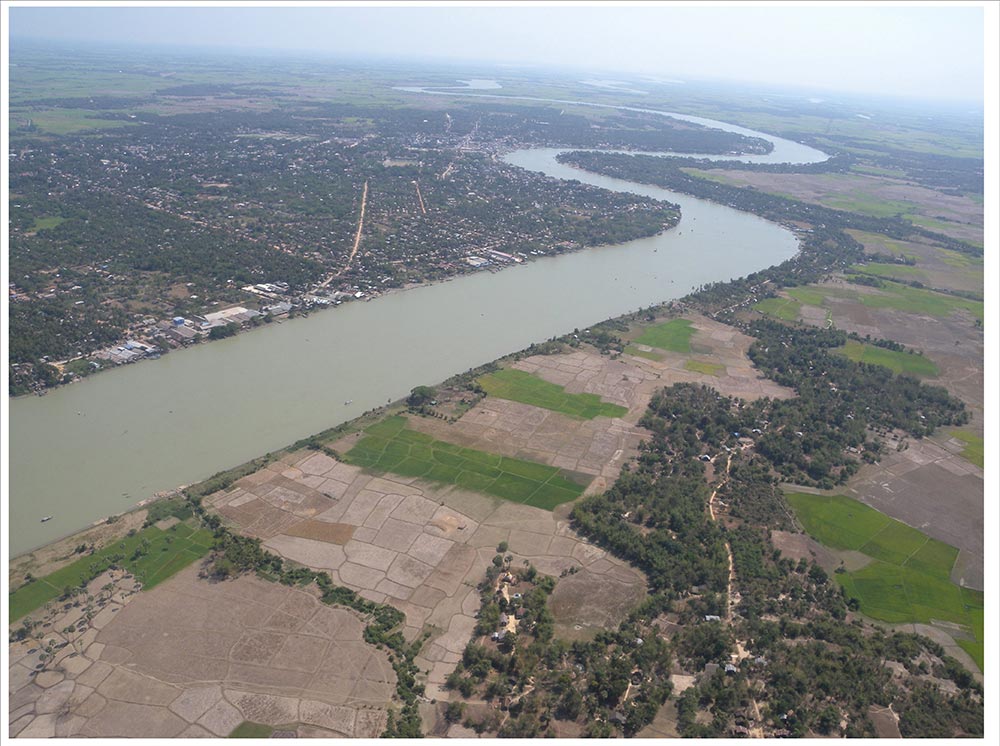
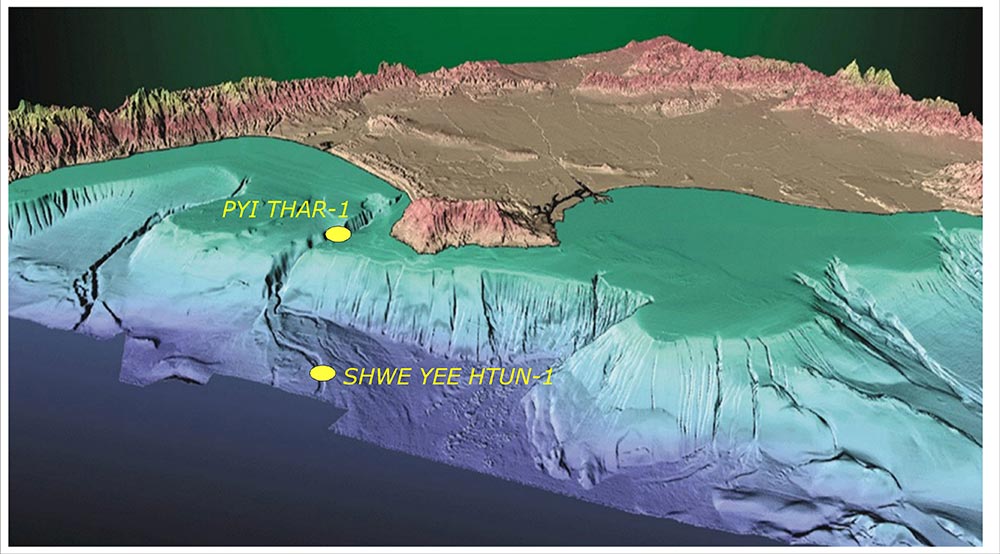
The top image shows one of the Ayeyarwaddy River channels. These channels continue beyond the shores, as sands of the river pour into the sea. MPRL E&P discovered gas in sands of Pyi Thar-1 in the shallower water part of one of these channels while Shwe Yee Htun-1 hit gas in sands of the deep-water part of one channel.
MPRL E&P’s executive management was bold enough to trust its geoscience team and risk a substantial amount of MPRL E&P’s money considering the relatively small chance of success of finding gas and/or sands while drilling Pyi Thar-1.
MPRL E&P then seized the opportunity of the Korea National Oil Corporation (KNOC)’s Doo Sung semi-submersible drilling platform looking for a short job before sailing to her final destination, and in late February 2012, Pyi Thar-1 was initiated in 200 m of water depth. The vertical hole reached its intended depth of 4,500 ft in a record eight days and proved sands beyond expectation towards the bottom of the hole. One of the big unknown was solved: thick sands do exist in this province, these sands showed up to come from a branch of an ancient Ayeyarwaddy River flowing westwards until about a million years ago.
Just three days later, those same sands were crossed again by the drill bit in a sidetrack hole exceeding 45° in inclination, the upper part of which showing excellent gas readings in spite of rapid drilling. Extensive sampling confirmed the find before abandoning the well, 17 days ahead of a 40-day schedule and much under budget. Drilling success stands on three legs: good geological insights, excellent well design and planning as well as smooth and swift logistics and supply. MPRL E&P proved once again to be an extremely efficient operator, having designed, planned, tendered, implemented and drilled an offshore wildcat in a virtually virgin play in less than eight months between August 2011 and March 2012.
The efforts undertaken at MPRL E&P’s sole risk, with its own funds in a time of harsh economic sanctions depriving the country of state-of-the-art technology, resulted in the discovery of a world-class new gas province. Had MPRL E&P not discovered Pyi Thar-1, it can only be surmised that hardly any company would be exploring the Western Ayeyarwady Basin at present, and the area would have returned into geological neglect. Four years only after this momentous discovery, four majors have acquired some 35,000 km2 of 3D seismic in the 2015-2016 season in this new play alone. Meanwhile MPRL E&P and its partners Woodside and Total joining to tap into the Pyi Thar success story – made a second gas discovery in Block A-6 with Shwe Yee Htun-1 opening a door to commerciality in deep waters in January 2016, a third gas discovery with Pyi Thit-1 in June-August 2017 being a significant ultra-deep water gas discovery with tested flow rate of 50 MMscf/d of gas and successful drilling of exploration well Pyi Tharyar-1 in August 2017.